


Customer Service Management: Improving Customer Experiences Through Technology
Introduction
Customer expectations are constantly changing. People want quick responses, personalized assistance, and convenient ways to resolve their problems. Businesses that fail to provide efficient support may struggle to maintain customer satisfaction and long-term loyalty. This is why Customer Service Management has become an important part of modern business operations.
Customer Service Management focuses on organizing and improving the processes businesses use to support customers. With the help of modern technology, organizations can manage customer requests, track service issues, automate workflows, and provide consistent support across different communication channels.
What Is Customer Service Management?
Customer Service Management is the process of handling customer inquiries, complaints, service requests, and support activities throughout the customer journey. It helps businesses create structured support processes and ensure that customers receive timely assistance.
A well-designed customer service strategy connects support teams, customer information, and service workflows. This allows employees to understand customer requirements and resolve issues more efficiently.
Key Benefits of Customer Service Management
1. Improved Customer Satisfaction
Quick and effective support creates positive customer experiences. When businesses respond to inquiries and resolve problems efficiently, customers are more likely to develop trust in their services.
2. Centralized Customer Information
A centralized system helps support agents access relevant customer details, previous interactions, and open service requests. This reduces repeated questions and allows employees to provide more informed assistance.
3. Faster Request Resolution
Organized workflows help businesses assign customer requests to the appropriate teams. Automated notifications and task management can reduce delays and improve response times.
4. Better Team Productivity
Customer service platforms help employees manage multiple requests through structured processes. Automation reduces repetitive administrative tasks, allowing agents to focus on solving customer problems.
5. Consistent Omnichannel Support
Customers may contact businesses through email, phone, chat, or self-service portals. A connected support strategy helps organizations provide a more consistent experience across these channels.
How ServiceNow Supports Customer Service Management
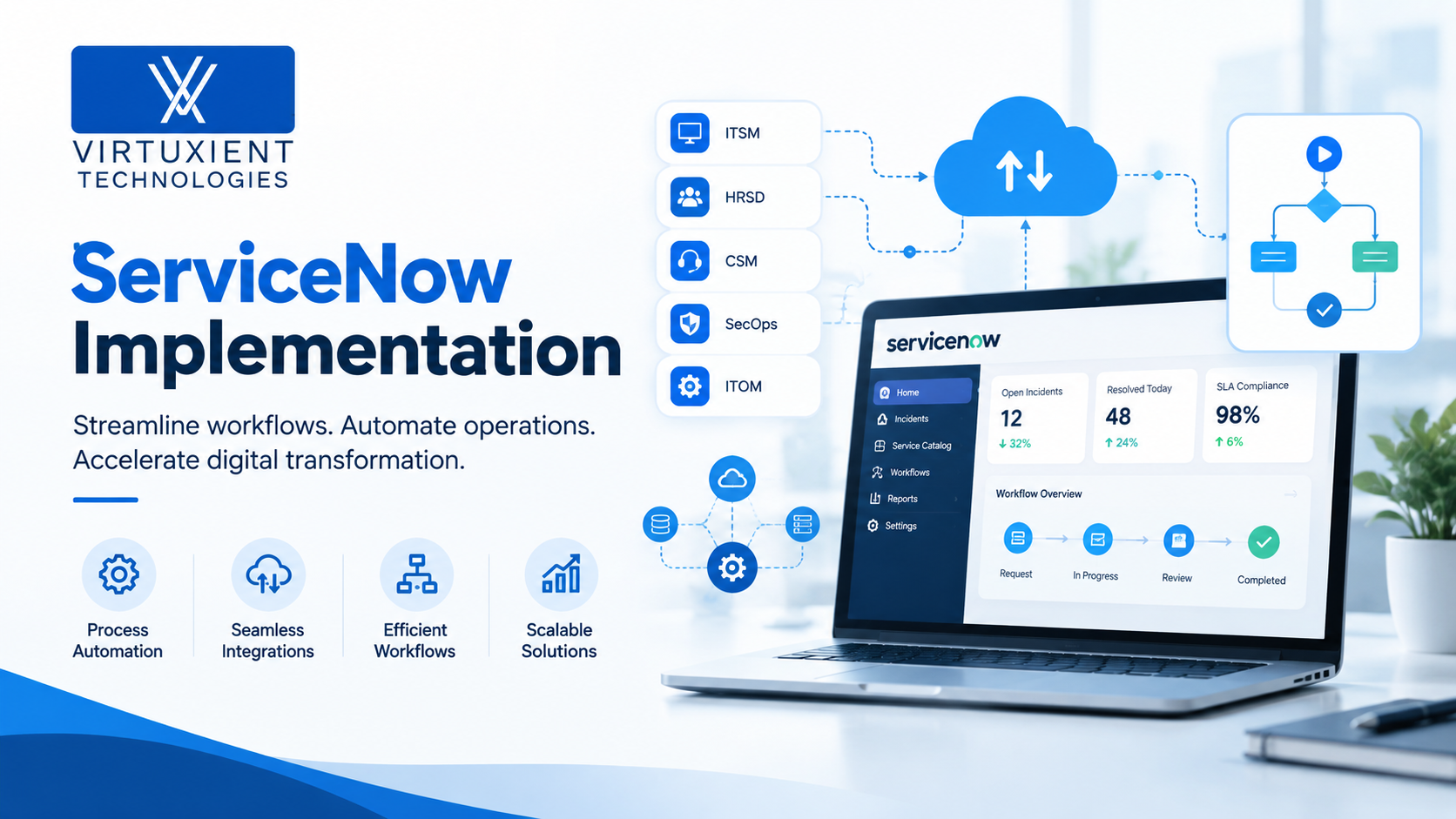
ServiceNow Customer Service Management (CSM) helps organizations manage customer service operations through connected workflows and a centralized platform.
It provides capabilities for managing customer cases, coordinating service activities, and improving communication between customers and support teams. Businesses can also use automation and self-service capabilities to simplify common service requests.
By connecting customer service processes with other business workflows, ServiceNow helps organizations improve visibility and manage customer issues more effectively.
Best Practices for Effective Customer Service
Businesses should understand customer expectations and establish clear service standards. They should train support employees, define escalation procedures, and regularly review customer feedback.
Organizations should also monitor important performance indicators, including response time, resolution time, customer satisfaction, and case volume. These measurements help identify areas that require improvement.
Conclusion
Customer Service Management plays an important role in building strong customer relationships and improving business performance. By combining organized workflows, automation, centralized information, and modern platforms such as ServiceNow, businesses can deliver efficient and consistent customer support.

 English
 Arabic
 French
 Spanish
 Portuguese
 Deutsch
 Turkish
 Italiano
 Russian
 Romaian
 Portuguese (Brazil)
 Greek
