


EPDM vs SBR Rubber Flooring: What Makes Each One Useful in Different Environments
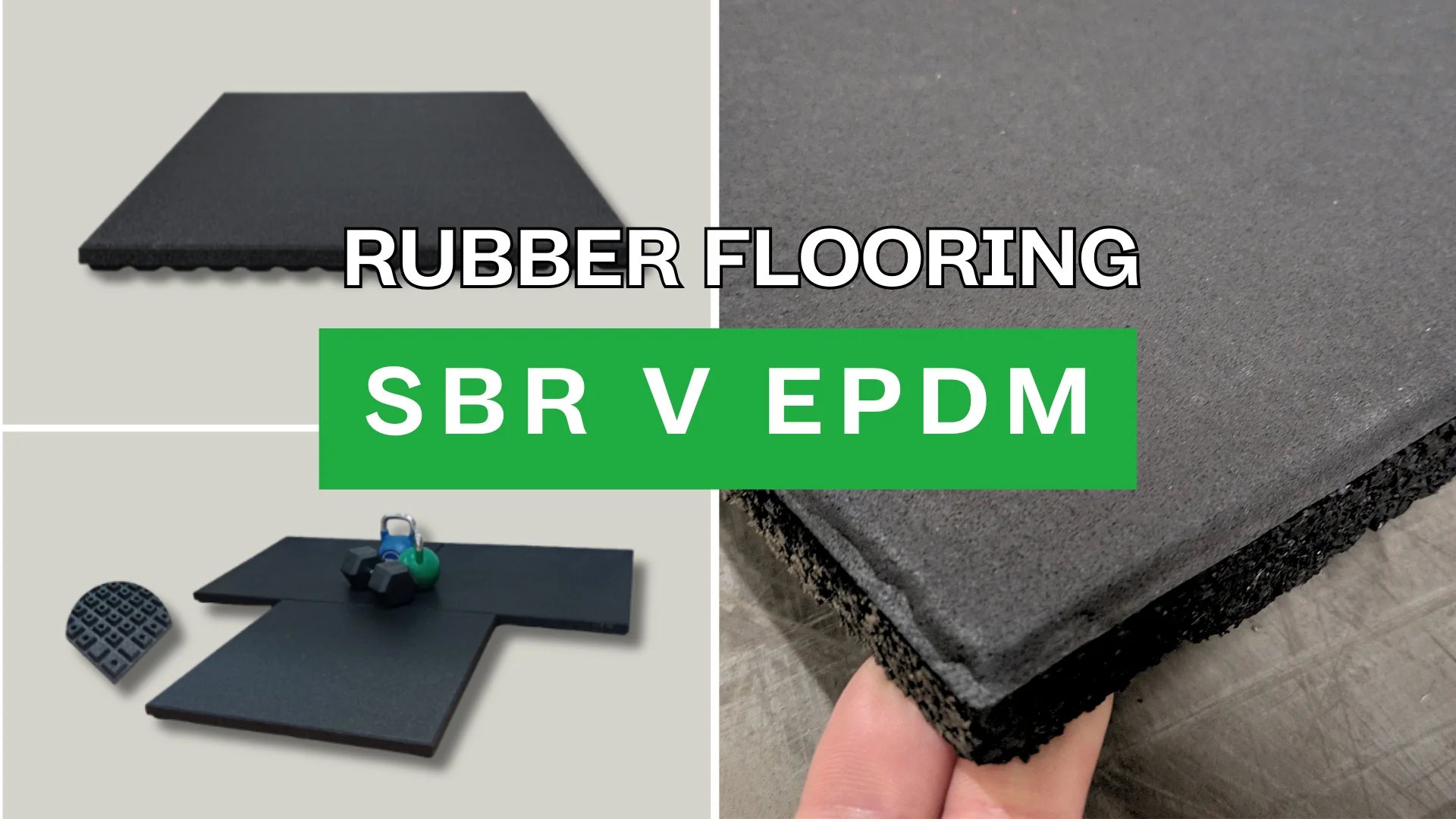
When people walk across a gym floor or a playground surface, they usually notice how it feels firm, cushioned, or slip resistant. What often goes unnoticed is what makes that experience possible in the first place. Behind most high performing rubber flooring systems are materials like EPDM and SBR rubber, both of which play a key role in how surfaces handle daily wear.
If you’re planning a flooring project whether it’s for a gym, a playground, or a recreational space understanding these materials can help you make more informed decisions that hold up over time.
What Are EPDM and SBR Rubber?
At a basic level, both EPDM and SBR are types of rubber used to create flexible, durable surfaces. While they often work together, each has its own strengths.
EPDM rubber flooring is known for its ability to resist weathering, UV exposure, and temperature changes. It’s commonly used in outdoor environments where long term color stability and surface integrity are important.
SBR rubber flooring, on the other hand, is often made from recycled rubber materials. It provides strong shock absorption and durability, making it a practical base layer in many flooring systems, especially in high impact areas.
Together, EPDM granules and SBR rubber granules are used to create surfaces that balance performance, cost efficiency, and longevity.
How These Materials Work in Real Spaces
In many flooring systems, SBR acts as the foundation. It absorbs impact and provides a stable base that can handle constant use. On top of that, EPDM is often added as a finishing layer, especially in environments where appearance and weather resistance matter.
You’ll often find this combination in:
- Outdoor playground flooring where surfaces need to stay safe and consistent over time
- Running track flooring that requires both resilience and grip
- Sports surface flooring used in schools or recreational facilities
- Wet-pour playground flooring that needs a seamless, durable finish
This layered approach allows each material to do what it does best, resulting in a surface that performs well under different conditions.
Why Material Choice Affects Everyday Performance
It’s easy to focus on how flooring looks during installation, but long term performance is where material choice really shows its value. Surfaces made with the right combination of rubber granules tend to maintain their structure and usability much longer.
Some of the everyday benefits tied to EPDM and SBR materials include:
- Consistent shock absorption in high impact areas
- Better resistance to cracking or surface breakdown
- Improved grip for safer movement
- Stability in both indoor and outdoor environments
- Reduced maintenance compared to harder surfaces
These qualities are especially important in places like school playground flooring, childcare playground flooring, and fitness spaces where safety and reliability are essential.
Supporting Both Indoor and Outdoor Applications
One of the advantages of rubber based flooring systems is how well they adapt to different environments. The same core materials can be used across a wide range of applications with slight adjustments in design and thickness.
For indoor use, such as fitness studio flooring or home gym flooring, the focus is often on comfort, noise reduction, and floor protection. Rubber mats, tiles, or layered systems help create a surface that supports movement while protecting the underlying structure.
For outdoor use, such as parks or recreational area flooring, the priority shifts toward weather resistance. This is where EPDM becomes particularly valuable, helping surfaces maintain their performance despite sun exposure and moisture.
A Practical Approach to Long-Term Flooring Solutions
Rather than treating flooring as a short term installation, many projects now focus on long-term usability. Choosing materials like EPDM and SBR supports that approach by reducing the need for frequent repairs or replacements.
Solutions offered through https://flexisurface.com/ reflect this idea of combining function with durability. By providing materials that can be used across gym flooring, playground flooring, and sports surfaces, the goal is to create spaces that remain safe and usable through consistent, everyday use.
These solutions aren’t just about meeting immediate needs they’re about making sure the surface continues to perform well months and years down the line.
Looking at the Bigger Picture
Good flooring doesn’t just support activity it shapes how a space is used. Whether it’s a child running across a playground or someone training in a gym, the surface underneath plays a quiet but important role.
By understanding the materials involved, it becomes easier to choose options that align with both current needs and long-term expectations. EPDM and SBR rubber flooring may not always be visible as separate layers, but together, they form the foundation of surfaces that are built to last.
For more updates and insights, you can also explore their social presence here: https://www.facebook.com/profile.php?id=61560131106137

 English
 Arabic
 French
 Spanish
 Portuguese
 Deutsch
 Turkish
 Dutch
Dutch
 Italiano
 Romaian
 Portuguese (Brazil)
 Greek
Greek
