


Kitchen Cabinet Painting and Cabinet Refinishing: A Complete Guide to Transform Your Kitchen on a Budget
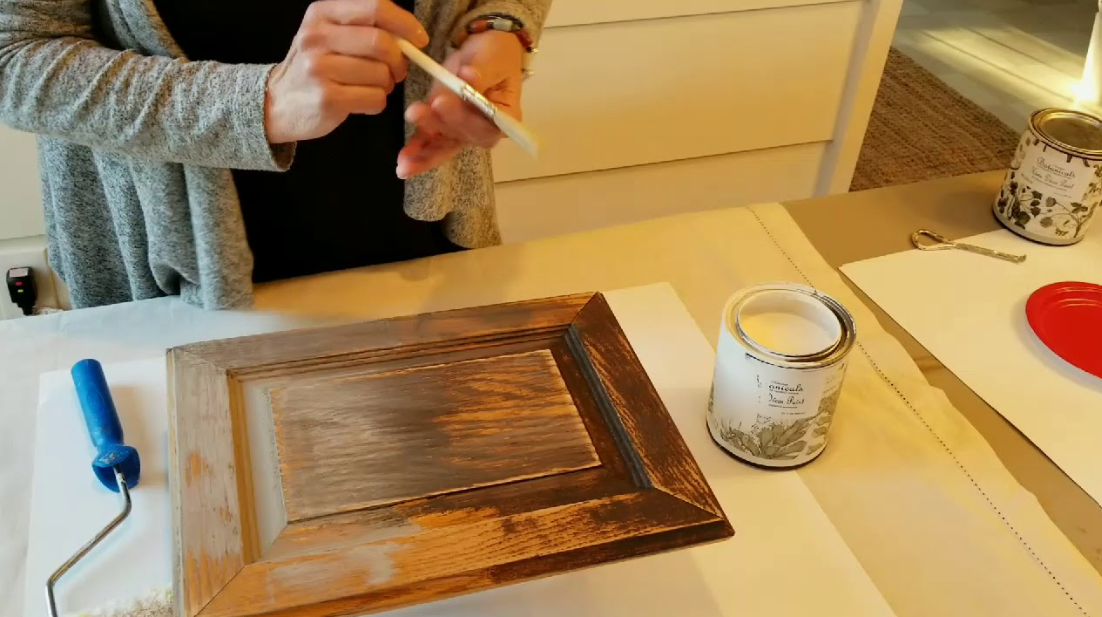
A kitchen is often considered the heart of the home, and one of the most noticeable parts of any kitchen is the cabinetry. Over time, cabinets can start to look old, faded, or outdated even if they are still structurally strong. Instead of replacing them completely, many homeowners choose kitchen cabinet painting and cabinet refinishing as a cost-effective way to give their kitchen a fresh, modern look. These two methods can dramatically improve the appearance of your kitchen without the high cost of a full remodel.
In this article, we will explore what kitchen cabinet painting and cabinet refinishing involve, their benefits, the process, cost factors, and tips for achieving the best results.
Understanding Kitchen Cabinet Painting
Kitchen cabinet painting refers to the process of applying a fresh coat of paint to existing cabinets to change their color, finish, and overall appearance. It is one of the most popular kitchen upgrade methods because it is affordable and can completely transform the space.
Painting cabinets is not as simple as painting walls. It requires proper preparation, cleaning, sanding, priming, and using high-quality paint designed for wood or laminate surfaces. When done professionally, painted cabinets can look brand new and last for years.
Homeowners often choose cabinet painting when:
- They want to change the kitchen style without replacing cabinets
- The cabinet structure is still in good condition
- They are working with a limited renovation budget
- They want a quick kitchen upgrade with minimal disruption
Popular cabinet paint colors include white, grey, navy blue, sage green, and matte black, depending on modern design trends.
Understanding Cabinet Refinishing
Cabinet refinishing is a broader process that involves restoring the existing cabinet surface rather than completely covering it with paint. This can include sanding down the old finish, staining the wood, applying a new protective coat, or restoring the original wood grain appearance.
Refinishing is ideal when homeowners want to preserve the natural wood look of their cabinets. Instead of changing the color completely, refinishing enhances the original material and brings back its beauty.
Cabinet refinishing is commonly chosen when:
- Cabinets are made of high-quality natural wood
- The goal is to restore original wood tones
- The existing finish is worn but the structure is strong
- Homeowners prefer a classic or rustic kitchen style
Refinishing can include staining, varnishing, or sealing the wood to protect it from moisture and daily wear.
Difference Between Cabinet Painting and Refinishing
Although both methods improve the appearance of cabinets, they are not the same.
Kitchen cabinet painting:
- Covers the surface with a new color
- Offers unlimited color options
- Creates a modern or contemporary look
- Hides wood grain completely
Cabinet refinishing:
- Restores or enhances natural wood
- Keeps wood grain visible
- Focuses on repair and restoration
- Ideal for traditional or natural aesthetics
Choosing between the two depends on your design goals, kitchen style, and the condition of your cabinets.
Benefits of Kitchen Cabinet Painting
One of the biggest advantages of kitchen cabinet painting is cost savings. Replacing kitchen cabinets can be extremely expensive, while painting provides a similar transformation at a fraction of the cost.
Other benefits include:
1. Budget-Friendly Upgrade
Painting cabinets is significantly cheaper than a full kitchen remodel.
2. Fast Transformation
Most cabinet painting projects can be completed in a few days.
3. Wide Color Choices
Homeowners can choose from thousands of paint colors to match their kitchen style.
4. Increases Home Value
A fresh, modern kitchen can increase the resale value of a home.
5. Eco-Friendly Option
Instead of discarding old cabinets, painting helps reduce waste.
Benefits of Cabinet Refinishing
Cabinet refinishing also offers several advantages, especially for wood lovers.
1. Preserves Natural Wood Beauty
It enhances the natural grain and texture of wood cabinets.
2. Cost-Effective Restoration
It is cheaper than replacing cabinets or full remodeling.
3. Durable Finish
Proper sealing protects cabinets from moisture and scratches.
4. Classic Look
Ideal for traditional, farmhouse, or rustic kitchen designs.
5. Extends Cabinet Life
Refinishing helps older cabinets last many more years.
Step-by-Step Process of Cabinet Painting
The cabinet painting process requires careful attention to detail for a professional finish.
- Removal of Hardware and Doors
All handles, knobs, and cabinet doors are removed. - Deep Cleaning
Grease, dirt, and oil are cleaned thoroughly from surfaces. - Sanding the Surface
Light sanding helps paint stick properly. - Priming
A high-quality primer is applied for smooth coverage. - Painting
Multiple thin coats of paint are applied for even color. - Drying and Reassembly
Once dry, cabinets are reassembled with hardware.
Step-by-Step Process of Cabinet Refinishing
Cabinet refinishing focuses more on restoration than color change.
- Surface Cleaning
Old grease and grime are removed. - Stripping Old Finish
Chemical or sanding methods are used to remove old coatings. - Sanding Wood Surface
This prepares the wood for new stain or finish. - Applying Stain or Finish
A new wood stain or protective finish is applied. - Sealing the Surface
A protective sealant is added for durability. - Final Polishing
Cabinets are polished for a smooth, finished look.
Cost Factors for Cabinet Painting and Refinishing
The cost of kitchen cabinet painting and cabinet refinishing depends on several factors:
- Size of the kitchen
- Number of cabinets
- Type of paint or stain used
- Condition of existing cabinets
- Professional labor vs DIY work
On average:
- Cabinet painting is more affordable than refinishing
- Refinishing may cost slightly more due to restoration work
- Both are significantly cheaper than full cabinet replacement
DIY vs Professional Services
Some homeowners choose to paint or refinish cabinets themselves, but it is a time-consuming and skill-sensitive task.
DIY Pros:
- Lower cost
- Full control over process
- Flexible timing
DIY Cons:
- Risk of uneven finish
- Requires tools and experience
- Time-intensive
Professional Services Pros:
- High-quality finish
- Faster completion
- Long-lasting results
- Proper surface preparation
For best results, many homeowners prefer hiring professionals, especially for larger kitchens.
Tips for Best Results
To ensure your kitchen cabinet painting or cabinet refinishing project is successful, follow these tips:
- Always clean cabinets thoroughly before starting
- Use high-quality primers and paints
- Don’t rush drying time between coats
- Choose colors that match your kitchen lighting
- Protect countertops and floors during work
- Consider hiring experts for a flawless finish
Conclusion
Kitchen cabinet painting and cabinet refinishing are excellent ways to refresh your kitchen without the high cost of a full renovation. Whether you prefer a modern painted finish or a natural wood restoration, both methods can dramatically improve the appearance and value of your home.
Painting offers a bold, modern transformation, while refinishing brings out the natural beauty of wood. The right choice depends on your style preferences, budget, and cabinet condition. With proper planning and execution, either option can give your kitchen a fresh, stylish, and long-lasting upgrade.

 English
 Arabic
 French
 Spanish
 Portuguese
 Deutsch
 Turkish
 Italiano
 Russian
 Romaian
 Portuguese (Brazil)
 Greek
Greek
