


The Deep Knock: Decoding Bottom-End Engine Noise Under Load
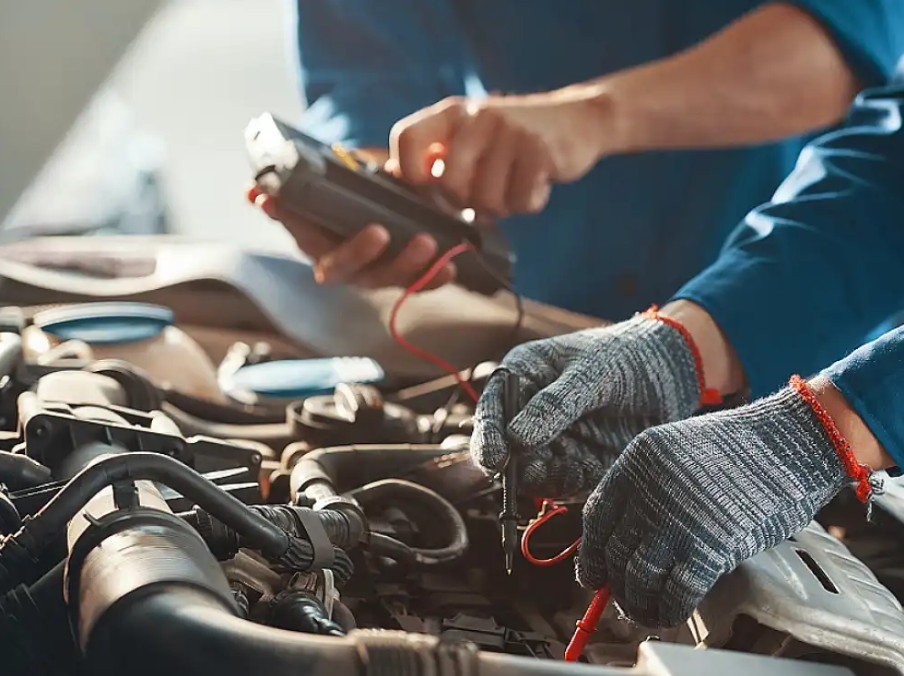
When you are driving and suddenly hear a rhythmic, heavy thumping coming from deep within the engine block—particularly when you step on the accelerator—it is natural to feel a sense of immediate dread. This is not just a minor squeak or a loose heat shield; it is a fundamental mechanical warning. In the automotive world, this is often referred to as "bottom-end knock," and it is one of the most critical sounds an internal combustion engine can produce. Understanding what this noise represents is essential for any car owner who wants to catch a potentially catastrophic failure before it results in a completely seized engine or a hole in the engine block. Ignoring this sound is rarely an option, as the mechanical forces involved are severe and will only escalate with every mile you drive.
Understanding the Symptoms of Bottom-End Knock
The primary indicator of a bottom-end failure is a dull, hollow, or heavy metallic sound that syncs perfectly with the engine's RPM. Unlike valve train noise, which is often a lighter, "ticking" sound at the top of the cylinder head, bottom-end knock resonates from the heart of the block. If you are behind the wheel, you might notice that the sound becomes significantly louder when you put the engine under load, such as when accelerating up a hill or shifting into a higher gear at low speeds. This behavior occurs because the increased cylinder pressure forces the pistons downward with greater violence. If the clearance between the connecting rod and the crankshaft journal has expanded due to bearing wear, the rod will effectively slam against the crankshaft, creating that distinct, ominous knocking noise.
The Mechanics Behind the Noise
The physics behind this failure is quite straightforward, though the implications are grave. Inside your engine, the crankshaft journals and connecting rods are separated by a precise film of pressurized engine oil. This oil film is the only thing preventing direct metal-to-metal contact during the combustion cycle. When the bearings wear down or the oil pressure drops, that protective film breaks down. Once the gap exceeds the tolerances specified by the manufacturer, the reciprocating assembly can no longer maintain smooth motion. Instead, there is a physical "gap" that is slammed shut during each power stroke. Over time, this constant impact forces the bearing material to disintegrate, leading to metal shavings in the oil pan and, eventually, total engine failure. This is why immediate diagnosis is paramount; it is the difference between a simple bearing replacement and a total engine overhaul.
Distinguishing Between Common Engine Noises
It is important to understand that not every engine noise is a death sentence. Mechanics often deal with "mimic" noises that can cause panic among inexperienced drivers. Piston slap, for instance, occurs when the piston-to-cylinder wall clearance is slightly too loose, causing the piston to rock slightly within the bore. This noise is most prominent when the engine is cold and usually fades as the metal components heat up and expand. Another common noise is a "pinging" or "detonation" sound, which is a high-pitched tapping caused by improper combustion timing or low-quality fuel. Unlike rod knock, which sounds like someone hitting the engine block with a heavy rubber mallet, these other noises have different frequencies and characteristics. Distinguishing between them requires experience, specialized tools, and a clear understanding of engine geometry.
When to Seek Professional Training
If you find yourself intrigued by these internal failures and the precision required to diagnose them, you are looking at the foundational skills of a professional technician. Understanding why engines fail requires a solid grasp of how they are assembled, the importance of oil viscosity, and the precision required in modern machining. If you are eager to transition from a casual observer to someone who can confidently diagnose and repair these issues, formal education is the best path forward. A comprehensive car mechanic course provides the foundational knowledge necessary to interpret engine sounds, understand diagnostic procedures, and master the technical aspects of vehicle maintenance that turn a "knocking" engine from an unsolvable mystery into a manageable repair project. Learning the theory before opening the toolbox is the hallmark of a skilled professional.
The Importance of Preventive Maintenance
Ultimately, engine longevity is tied directly to how we respond to these auditory signals. Modern engines are marvels of efficiency, but they are also intolerant of neglect. Regular oil changes with high-quality lubricants are the first line of defense against bearing failure, as they ensure that the film strength remains sufficient even under high stress. However, when parts eventually wear out due to high mileage or extreme heat cycles, knowing what to look for is vital. Proactive maintenance is not just about changing filters; it is about listening to your machine and understanding what it needs before it breaks. Being able to read the signs of mechanical wear—and having the right skills to address them—sets the truly capable technicians apart from the rest of the automotive community.
Taking the Next Step in Automotive Skill
Whether you are aiming to perform your own engine rebuild, looking for a career change, or simply want to understand the mechanical heartbeat of your car, investing in your own technical education is the most reliable way to ensure you never get stranded by a preventable mechanical failure. The automotive industry is evolving rapidly with the integration of EVs and hybrid systems, making technical literacy more valuable than ever.

 English
 French
 Spanish
 Portuguese
 Deutsch
 Turkish
 Dutch
Dutch
 Italiano
 Russian
 Romaian
 Portuguese (Brazil)
 Greek
Greek
