


Building Inspection: A Complete Guide for Property Owners
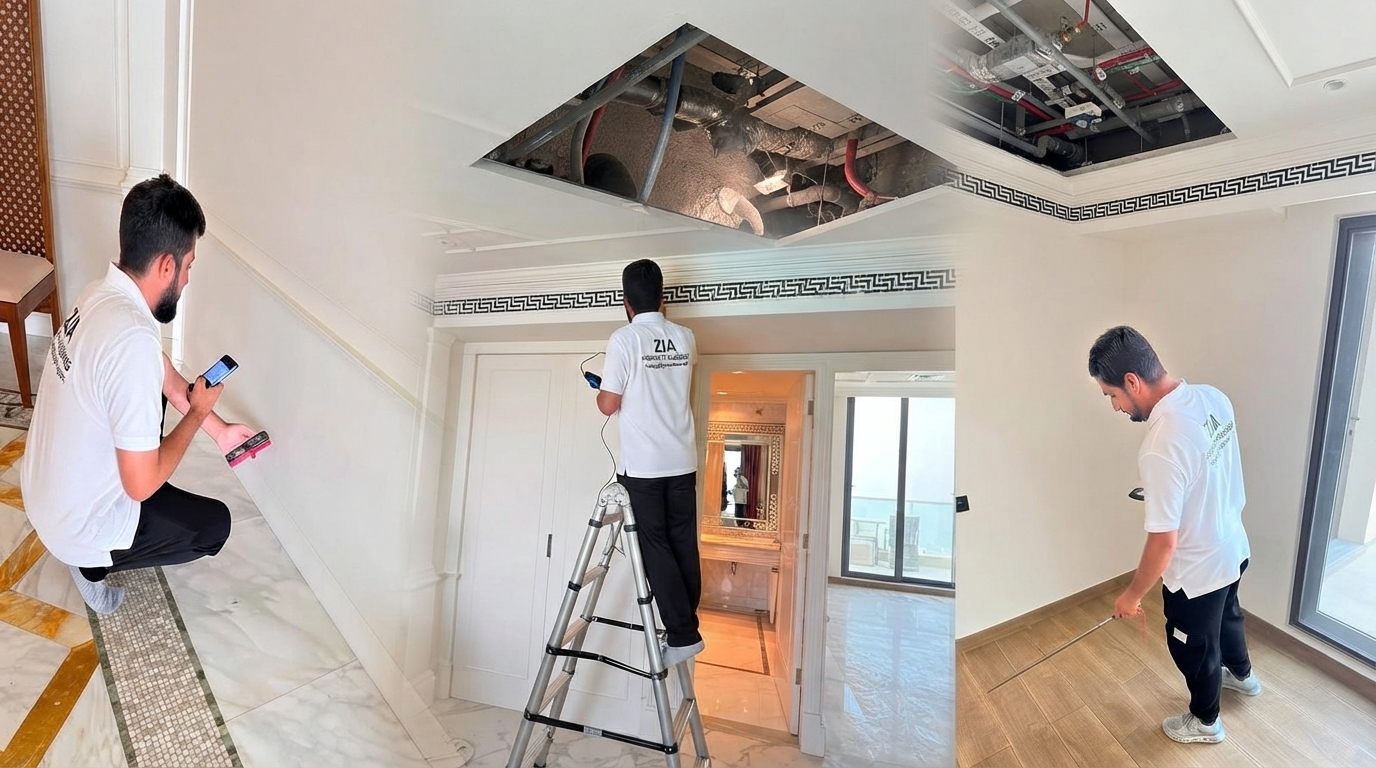
A building is a major investment, whether it is a newly constructed home, an existing residential property, a commercial space, or a property being prepared for handover. While a building may look attractive on the surface, important problems can exist behind walls, beneath finishes, or within different building systems. Identifying these concerns early can help property owners make better decisions and avoid unnecessary expenses.
This is where a professional building inspection becomes valuable. A building inspection is a systematic assessment of a property's visible condition, construction quality, finishes, fixtures, and accessible systems. The purpose is to identify defects, signs of deterioration, incomplete work, poor workmanship, and other concerns that may require attention.
For buyers, property owners, investors, landlords, and developers, a thorough inspection can provide useful information about the condition of a building. It can also help establish priorities for maintenance and repairs.
What Is a Building Inspection?
A building inspection is a professional examination of a property's accessible areas and components. An inspector reviews the building to identify visible defects, construction concerns, maintenance issues, and other conditions that may affect the property's quality or usability.
The scope of an inspection depends on the property type, its age, its condition, and the purpose of the assessment. A residential inspection may focus on rooms, kitchens, bathrooms, roofs, walls, ceilings, windows, doors, plumbing, electrical fixtures, ventilation, and other accessible areas.
A commercial building inspection may involve additional areas such as offices, service spaces, common areas, external structures, and building systems.
The inspection generally results in a report that explains the observed findings and helps the property owner understand which areas may require attention.
Why Is Building Inspection Important?
A property can have defects that are difficult to recognize without a systematic inspection. Small problems may also become more serious when they remain unresolved for a long period.
A building inspection helps provide a clearer picture of the property's current condition. This information can be useful before purchasing, selling, renovating, handing over, or maintaining a property.
An inspection may help identify:
- Cracks in walls and ceilings
- Damaged flooring and tiles
- Water leakage
- Drainage concerns
- Plumbing defects
- Electrical issues
- Poor finishing
- Door and window problems
- Roof concerns
- Moisture-related damage
- Waterproofing problems
- Air conditioning concerns
- Incomplete construction work
- Signs of deterioration
- Damaged fixtures
- Poor workmanship
Finding these concerns early can help property owners prioritize corrective work and reduce the possibility of unexpected expenses.
When Should You Arrange a Building Inspection?
A building inspection can be useful at several stages of property ownership.
Before Buying a Property
A pre-purchase inspection can help a buyer understand the condition of a property before completing the transaction. The findings may help the buyer make a more informed decision.
An inspection can also reveal maintenance concerns that may not be obvious during a standard property viewing.
Before Property Handover
For newly constructed properties, an inspection can identify defects and incomplete work before the owner fully accepts the property.
This is particularly useful for apartments, villas, and townhouses where finishing quality and functionality need to be reviewed.
Before Renovation
An inspection can help identify existing problems before renovation work begins. Understanding the condition of the property can help owners and contractors plan work more effectively.
During Property Maintenance
Existing buildings can benefit from periodic condition assessments. An inspection can help identify developing problems before they become more expensive to repair.
Before Selling
Property owners preparing to sell may choose to inspect their property to identify issues that could affect its condition or appeal. Addressing problems in advance can help create a smoother selling process.
What Does a Building Inspection Cover?
The inspection scope varies depending on the property and service provider, but a comprehensive assessment can examine many important areas.
Structural Components
An inspector may look for visible signs of structural concerns, such as cracks, movement, deterioration, or unusual conditions affecting walls, columns, beams, or other accessible structural components.
A visual inspection cannot reveal every concealed structural defect, but it can identify signs that may require further professional investigation.
Walls and Ceilings
Walls and ceilings can show evidence of poor workmanship, cracks, moisture, stains, uneven finishing, peeling paint, and other defects.
Inspecting these surfaces can help identify both cosmetic and potentially functional concerns.
Floors and Tiles
Flooring should be assessed for visible cracks, uneven areas, loose tiles, damaged surfaces, poor grout, stains, and installation issues.
Bathrooms, kitchens, balconies, and other wet areas require particular attention because flooring defects may contribute to water-related problems.
Doors and Windows
Doors and windows play an important role in security, ventilation, comfort, insulation, and overall property functionality.
An inspection may assess visible damage, alignment, handles, locks, hinges, frames, seals, and general operation.
Plumbing
Plumbing systems should be reviewed for visible leaks, drainage problems, damaged fixtures, poor connections, and other accessible concerns.
Bathrooms, kitchens, utility spaces, and other plumbing locations should receive careful attention.
Electrical Systems
An inspection may review accessible electrical fixtures such as switches, sockets, lights, and controls.
The purpose is to identify visible or functional concerns without carrying out invasive electrical work unless the inspection service specifically includes additional testing.
Air Conditioning and Ventilation
Proper cooling and ventilation are important for indoor comfort and building performance. Inspectors may assess accessible aspects of air conditioning units, controls, vents, and related components.
Visible damage, unusual operation, poor airflow, or control problems may be documented for further review.
Roof and Waterproofing
Roof areas and waterproofing are important because water intrusion can cause significant damage if left unresolved.
Where accessible and within the inspection scope, inspectors may look for visible cracks, damaged surfaces, water staining, drainage concerns, deteriorated sealants, and signs of moisture penetration.
Common Problems Found During Building Inspections
Buildings can experience many types of defects depending on their age, construction method, location, usage, and maintenance history.
Water leakage is one of the most important concerns because prolonged moisture can damage finishes and building materials. Signs may include stains, peeling paint, damp areas, damaged ceilings, or deteriorated surfaces.
Cracks can also appear in walls and ceilings. Some cracks may be superficial, while others may require further assessment. A professional inspection can document their location and appearance and recommend additional investigation where appropriate.
Poor finishing is another common concern. Uneven paint, damaged tiles, poor grout, gaps, scratches, and incomplete work can affect the appearance and functionality of a property.
Doors and windows may have alignment issues, damaged frames, faulty handles, or sealing problems.
Plumbing systems can develop leaks, slow drainage, damaged fixtures, and connection problems.
Electrical fixtures may have functional or installation concerns.
Benefits of Hiring a Professional Building Inspector
Expert Observation
Professional inspectors are trained to examine properties systematically and recognize common building defects. Their experience can help identify concerns that a property owner might overlook.
Detailed Documentation
A professional report provides a written record of observed conditions. Photographs and descriptions can make findings easier to understand and communicate.
Better Maintenance Planning
An inspection can help owners prioritize repairs. Instead of addressing issues randomly, they can focus on concerns that require more immediate attention.
Greater Confidence
Understanding a property's condition can provide greater confidence when buying, selling, renovating, or maintaining a building.
Potential Cost Savings
Early identification of defects can help prevent small problems from becoming more expensive issues. While an inspection cannot guarantee future costs, it can provide valuable information for proactive maintenance.
Building Inspection for New Properties
New properties are not automatically free from defects. Construction involves many trades, materials, installations, and finishing processes, and problems can occur at different stages.
A building inspection before handover can identify incomplete work, damaged finishes, poor installation, and functional concerns.
New property inspections can be especially valuable because defects are often easier to address when they are identified during the handover process.
Building Inspection for Older Properties
Older properties require a different inspection focus. In addition to visible defects, inspectors may consider signs of wear, deterioration, previous repairs, moisture damage, outdated components, and general maintenance conditions.
Older buildings can have problems that develop gradually, making a professional condition assessment useful for planning future maintenance.
Building Inspection and Property Investment
Investors often need reliable information before committing to a property. A building inspection can provide an additional perspective on the physical condition of an investment.
A property that requires substantial repairs may have different financial implications from a property that is well maintained.
Understanding the condition of the building can therefore support more informed investment planning.
How to Choose a Building Inspection Service
Choosing the right inspection provider is important because the quality of the assessment depends on the inspector's knowledge, experience, and reporting process.
Look for a service with relevant experience in the type of property you own or plan to purchase.
Ask what the inspection covers and whether the report includes photographs, descriptions, and recommendations for areas requiring further attention.
It is also important to understand the limitations of the inspection. A professional inspector should clearly explain which areas are accessible and which conditions cannot be confirmed without specialized or invasive investigation.
Good communication is another valuable quality. The inspector should be able to explain findings clearly and answer questions about the report.
What Happens After a Building Inspection?
After the inspection, the owner receives the report and reviews the findings.
The report can be used to identify defects that require correction, maintenance issues that need monitoring, and areas where specialist assessment may be appropriate.
For a property purchase, the findings can help the buyer make an informed decision.
For a newly constructed property, the report can be shared with the developer or contractor to support the correction process.
For an existing property, the findings can help establish a maintenance and repair plan.
Frequently Asked Questions About Building Inspection
What is a building inspection?
A building inspection is a systematic assessment of a property's accessible areas, finishes, fixtures, and components to identify visible defects, maintenance concerns, and construction issues.
Why is building inspection important?
It helps property owners understand the condition of a building and identify concerns that may require repair, maintenance, or further investigation.
Is building inspection necessary for a new property?
A new property can still contain defects and incomplete work. An inspection before handover can help identify these issues before the property is fully accepted.
Can a building inspection find hidden defects?
A standard inspection focuses mainly on accessible and observable conditions. Concealed defects behind walls, ceilings, floors, or other finished surfaces may require specialized or invasive investigation.
What areas are checked during an inspection?
Depending on the inspection scope, areas can include walls, ceilings, floors, doors, windows, kitchens, bathrooms, plumbing, electrical fixtures, air conditioning, roofs, balconies, and other accessible components.
How long does a building inspection take?
The inspection time varies depending on the property's size, complexity, condition, and scope of work. Larger or more complex properties generally require more time for a thorough assessment.
Does a building inspection include a report?
Professional inspection services generally provide a report documenting observed findings. The format and level of detail depend on the inspection provider.
Can building inspection help reduce repair costs?
An inspection can identify problems early, allowing owners to address concerns before they potentially become more serious. It cannot guarantee future repair costs but can support proactive maintenance.
Should I inspect a property before buying it?
A pre-purchase inspection can provide useful information about the property's condition and help buyers make better-informed decisions.
Can an inspection be performed after handover?
Yes. Building inspections can be useful after handover to identify defects that were missed earlier or problems that become noticeable during occupancy.
Conclusion
A professional building inspection provides valuable insight into the condition of a property and can support better decisions throughout the property ownership journey. Whether you are buying a new home, accepting a newly constructed property, maintaining an existing building, planning renovations, or evaluating an investment, a thorough inspection can help reveal concerns that may otherwise remain unnoticed.
From walls and ceilings to flooring, plumbing, electrical fixtures, air conditioning, windows, doors, roofs, and waterproofing, a systematic assessment provides a clearer understanding of the property's condition.

 English
 Arabic
 Spanish
 Portuguese
 Deutsch
 Turkish
 Dutch
Dutch
 Italiano
 Russian
 Romaian
 Portuguese (Brazil)
 Greek
Greek
