


Building Inspector: Expert Guide to Property Inspections
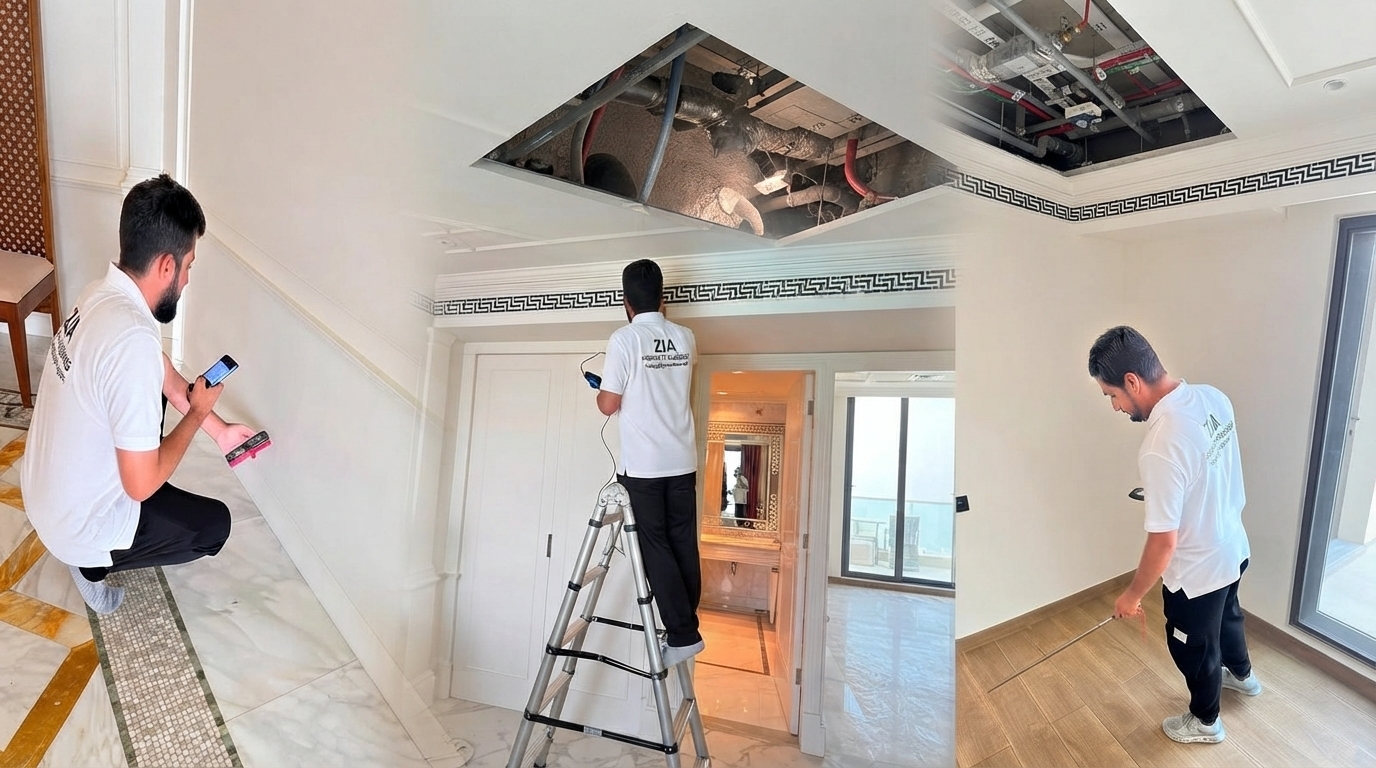
A building inspector plays an important role in helping property owners, buyers, sellers, landlords, and investors understand the actual condition of a building. A property may look attractive from the outside, but many defects and maintenance concerns are not immediately visible during a normal viewing. Professional inspection provides a detailed assessment of accessible areas and helps identify problems that could affect safety, comfort, durability, and property value.
Whether you are purchasing a new home, receiving a newly constructed property, managing an existing building, or preparing a property for sale, hiring a qualified building inspector can provide valuable information. An inspection can uncover visible defects, signs of moisture, poor workmanship, deterioration, structural concerns, and maintenance issues.
The purpose of a building inspection is not simply to find faults. It is to give property stakeholders a clearer understanding of the condition of the building so they can make informed decisions and plan appropriate maintenance or repairs.
What Is a Building Inspector?
A building inspector is a professional who examines a building and assesses its visible condition. The inspector reviews accessible areas and building components to identify defects, deterioration, damage, safety concerns, and other issues that may require attention.
Depending on the property and inspection scope, a building inspector may assess structural elements, walls, ceilings, floors, roofs, doors, windows, visible plumbing, electrical components, ventilation, moisture-related concerns, and general finishes.
The inspector documents observations and usually provides a report explaining the condition of the inspected areas. This information can help property owners understand which concerns require routine maintenance and which may need further professional investigation.
Why Hire a Building Inspector?
Hiring a building inspector can reduce uncertainty when making important property decisions. Buying or maintaining a property without understanding its condition can lead to unexpected expenses and difficult repairs.
A professional inspection can identify concerns before they become more serious. For example, a small water stain may indicate a leaking pipe, roof issue, or waterproofing problem. Similarly, visible cracking may require closer evaluation to determine whether it is cosmetic or related to movement.
For buyers, inspection provides information before committing to a property. For owners, it supports preventive maintenance. For sellers, it can help identify problems that may need to be addressed before marketing the property.
What Does a Building Inspector Check?
The exact inspection scope varies depending on the property and the service being provided. However, several important areas are commonly examined.
Structural Components
A building inspector looks for visible signs of cracking, movement, settlement, deterioration, or damage affecting structural components. Accessible beams, columns, walls, floors, and other elements may be visually assessed.
Structural concerns are particularly important because they can affect the stability and long-term performance of a building. If an inspector notices signs that require specialist evaluation, additional investigation may be recommended.
Roof Condition
The roof is one of the most important protective elements of a property. An inspector may look for visible damage, deterioration, water entry, damaged materials, drainage concerns, and signs of previous leakage.
Roof problems can contribute to dampness, ceiling damage, insulation deterioration, and other costly issues if they remain unresolved.
Walls and Ceilings
Walls and ceilings are inspected for visible cracks, stains, dampness, damaged finishes, uneven surfaces, peeling materials, and other defects.
Moisture marks deserve particular attention because they may indicate an active or previous leak. The source of moisture should be investigated rather than simply covering the affected surface.
Floors
Flooring can show signs of wear, damage, unevenness, movement, moisture, or installation problems. An inspector may assess accessible flooring and look for visible conditions that could indicate underlying concerns.
Doors and Windows
Doors and windows affect security, ventilation, comfort, and protection from weather. A building inspector may check their general condition, operation, frames, seals, and visible damage.
Problems with windows or doors can contribute to water penetration, drafts, poor ventilation, and reduced energy efficiency.
Plumbing
Accessible plumbing fixtures and visible pipework may be checked for leakage, corrosion, poor connections, drainage concerns, and other apparent defects.
Water leaks can cause extensive damage when they continue unnoticed. Early identification can help property owners address problems before surrounding materials deteriorate.
Electrical Components
A building inspector may visually examine accessible electrical components for obvious defects, damaged fittings, exposed wiring, or other visible concerns.
Specialist electrical testing may be necessary when a concern cannot be properly assessed through a visual inspection.
Ventilation and Moisture
Ventilation and moisture conditions can have a significant effect on building durability and indoor comfort. Inspectors may look for condensation, dampness, staining, mold-like growth, and other visible signs of moisture problems.
Poor ventilation can contribute to persistent humidity and deterioration, making these conditions important to identify.
Common Defects Found by Building Inspectors
A professional building inspector may discover a wide range of issues during an inspection. Some defects are relatively minor, while others can require urgent attention.
Common findings include wall cracks, leaking pipes, damaged waterproofing, roof deterioration, drainage problems, damp areas, damaged sealants, defective doors and windows, uneven surfaces, poor finishing, and signs of previous water damage.
In newly constructed properties, inspectors may identify workmanship problems, incomplete finishes, damaged fixtures, poor installation, or construction defects.
Older buildings can have different concerns, including material deterioration, previous repairs, aging systems, moisture damage, and maintenance neglect.
The presence of a defect does not automatically mean that a property is unsafe or unsuitable. The significance of each finding depends on its location, severity, cause, and potential impact. A qualified inspector can explain the observed condition and recommend further assessment when appropriate.
Building Inspector for Property Buyers
A building inspector can be especially valuable when purchasing a property. Buyers often concentrate on location, appearance, layout, and price, but the physical condition of the building is equally important.
A professional inspection can reveal defects that may not be obvious during a short property viewing. This gives buyers a better understanding of potential repair and maintenance requirements.
Inspection findings can also support more informed financial planning. If significant repairs are required, buyers can consider the likely maintenance burden before making a final decision.
For newly built properties, an inspection can help identify workmanship defects and unfinished items around the handover stage. For older properties, it can provide useful information about deterioration and maintenance needs.
Building Inspector for Property Owners
Existing property owners can also benefit from professional inspection. Buildings require ongoing maintenance, and small problems can become expensive when ignored.
A building inspector can help identify developing concerns before they become major defects. This can support preventive maintenance and help owners prioritize repairs.
Inspection can also be useful before renovation work. Understanding the condition of existing building components can help owners plan improvements more effectively and avoid unexpected issues during construction.
If a property has developed unusual cracks, persistent dampness, water damage, drainage problems, or other concerns, an inspection can provide an objective assessment of visible conditions.
Building Inspector for New Construction
New buildings are not automatically free from defects. Construction involves many materials, trades, installations, and finishing processes, which means problems can sometimes occur even in recently completed properties.
A building inspector can review accessible areas and identify visible workmanship issues, damaged finishes, installation concerns, incomplete items, and other defects.
Early identification is valuable because correcting problems during or shortly after construction can be easier than dealing with them after the property has been occupied for an extended period.
Building Inspection Before Property Handover
Property handover is an important stage for owners because it marks the transition from construction or development toward occupation and use.
A professional building inspector can assess the accessible areas of the property and document visible defects. This may include damaged surfaces, poorly finished areas, doors that do not operate properly, plumbing concerns, moisture signs, defective fixtures, and other observable issues.
A clear inspection report can help property owners communicate concerns and understand which areas may need corrective work.
How to Choose a Building Inspector
Choosing the right building inspector is important because the quality of the inspection depends on the professional's knowledge, experience, and attention to detail.
Look for an inspector who has relevant experience with the type of property being assessed. Residential buildings, commercial properties, new developments, and older structures can have different inspection requirements.
A professional inspector should explain the inspection scope clearly before beginning the assessment. They should also communicate findings in understandable language and provide a report that is organized and useful.
It is also important to understand inspection limitations. A building inspector generally assesses accessible and visible conditions. Concealed areas, specialist systems, or inaccessible components may require separate testing or specialist assessment.
What Makes a Good Building Inspector?
A good building inspector should have strong observation skills and practical knowledge of building construction and common property defects.
Attention to detail is essential because seemingly small signs can provide clues about larger problems. Clear communication is equally important because inspection findings need to be understandable to property owners and buyers.
Professionalism, objectivity, careful documentation, and a systematic inspection approach are also important qualities. An effective inspector should report observed conditions honestly without exaggerating minor defects or overlooking significant concerns.
Understanding the Inspection Report
After an inspection, the report should provide a clear record of the inspector's observations. It may describe different areas of the property and identify defects or maintenance concerns.
Property owners should pay particular attention to findings that could affect structural performance, moisture control, safety, durability, or long-term maintenance.
Not every defect carries the same level of risk. Cosmetic imperfections may require routine maintenance, while serious water penetration, structural movement, or significant deterioration may require immediate professional attention.
If a report recommends further investigation, it is important to consult the appropriate specialist rather than assuming the issue can be resolved through simple repairs.
Benefits of Hiring a Professional Building Inspector
A professional building inspector can provide several important benefits. The inspection can help property buyers make informed decisions, property owners plan maintenance, sellers identify issues before marketing, and investors understand potential repair requirements.
Early detection can also help prevent small problems from developing into major defects. This can protect the property's condition and potentially reduce long-term maintenance costs.
Another important benefit is peace of mind. Knowing that an experienced professional has assessed the property can provide greater confidence when making significant property-related decisions.
When Should You Hire a Building Inspector?
There are several situations when hiring a building inspector can be beneficial.
A property purchase is one of the most important occasions because inspection findings can influence the decision to proceed with a transaction.
New property handover is another suitable time because construction defects and unfinished work can be identified before the property is fully occupied.
Inspection can also be useful before renovation, after water damage, when unusual cracks appear, when dampness persists, or when a building has not received professional assessment for an extended period.
Property sellers may also arrange inspections to understand the property's condition and address significant concerns before presenting it to potential buyers.
Frequently Asked Questions
What does a building inspector do?
A building inspector examines accessible areas of a property to identify visible defects, damage, deterioration, maintenance concerns, and other conditions that may require attention.
Why is a building inspector important when buying a property?
A building inspector can identify problems that may not be obvious during a normal viewing. This helps buyers understand the property's condition before making an important financial decision.
Can a building inspector identify structural problems?
An inspector can identify visible signs that may indicate structural concerns. Some issues may require further assessment by a qualified structural specialist.
Does a building inspector check plumbing?
Accessible plumbing components can generally be visually assessed for obvious leaks, damage, corrosion, and other visible concerns, depending on the inspection scope.
Does a building inspector check electrical systems?
Visible and accessible electrical components may be reviewed for obvious defects. Specialist electrical testing may be recommended when more detailed assessment is required.
Is a building inspector useful for a new property?
Yes. New properties can still have construction defects, damaged finishes, installation issues, or incomplete work. Inspection can help identify these concerns before they become more difficult to address.
What happens if the inspector finds serious defects?
The appropriate action depends on the nature and severity of the defect. Further investigation, specialist advice, repair, or maintenance may be recommended.
Can an inspection find hidden problems?
An inspection can identify visible signs of hidden problems, but completely concealed defects may not be confirmed without specialist testing or access to hidden areas.
How long does a building inspection take?
The inspection duration depends on the property's size, condition, accessibility, and inspection scope. Larger or more complex properties generally require more time for a thorough assessment.
Should property owners have inspections regularly?
Regular inspection can support preventive maintenance, particularly for older or heavily used properties. The appropriate frequency depends on the building's condition and maintenance requirements.
Conclusion
A building inspector provides valuable professional insight into the physical condition of a property. Whether you are buying a home, managing an existing building, preparing for property handover, planning renovations, or selling a property, an inspection can help identify defects and maintenance concerns before they become more difficult or expensive to address.

 English
 Arabic
 Spanish
 Portuguese
 Deutsch
 Turkish
 Dutch
Dutch
 Italiano
 Russian
 Romaian
 Portuguese (Brazil)
 Greek
Greek
