


Full Blood Test Guide: From Preparation to Understanding Your Results
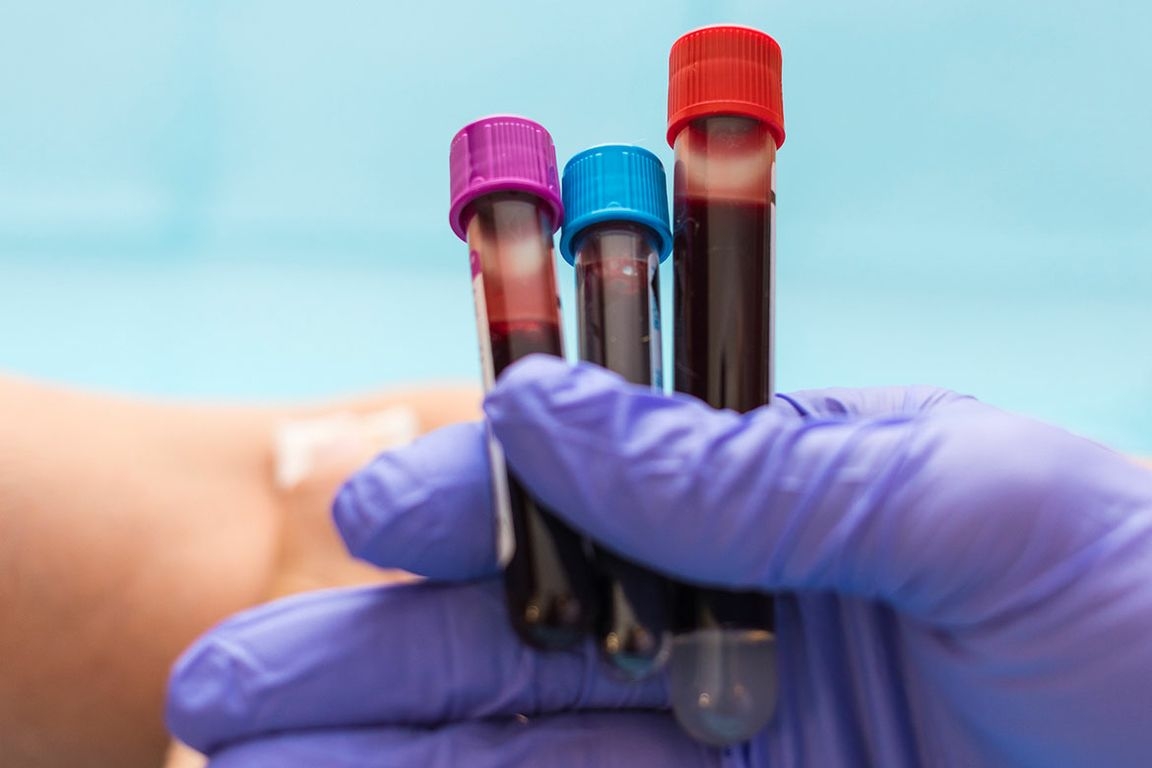
Preparing for a full blood test is usually straightforward, but a little planning can make your appointment more comfortable and help ensure you follow the correct testing requirements. Depending on the reason for testing, your blood work may assess blood cell counts, glucose, cholesterol, kidney function, liver markers, thyroid hormones, iron levels, vitamins, or other health indicators.
The most important point to remember is that Full Blood Test in Dubai preparation depends on the specific tests ordered. Not every blood test requires fasting, medication changes, or special dietary restrictions.
This practical checklist explains what to confirm before your appointment, what to bring, how to prepare, and what to expect during and after blood collection.
Start Here: Know What Your Blood Test Is Checking
The term "full blood test" can describe different combinations of laboratory tests. There is no single universal panel that includes every possible blood measurement.
Your healthcare professional may order several investigations based on your symptoms, medical history, age, medications, or health risks.
Common components may include a complete blood count, blood glucose, lipid profile, liver function tests, kidney function tests, thyroid testing, iron studies, or selected vitamin measurements.
Before your appointment, make sure you know:
- Which tests have been requested
- Why they have been ordered
- Whether fasting is necessary
- Whether you need any special preparation
- How and when you will receive your results
Understanding the purpose of your testing can also help you ask more useful questions about your results later.
Your Pre-Test Checklist: The Essentials:
Confirm Whether Fasting Is Required:
Do not assume that every full blood test requires fasting.
A complete blood count and HbA1c generally do not require fasting in routine circumstances. Some glucose and lipid tests, however, may have specific preparation instructions.
If fasting is required, ask exactly:
- How long should I fast?
- Can I drink plain water?
- Should I avoid tea and coffee?
- Should I take my usual medication?
- What time should I stop eating?
Follow the instructions provided by your healthcare professional or laboratory rather than relying on general advice.
Review Your Medications:
Certain medicines can influence laboratory results. This does not mean that you should stop taking them.
Before the appointment, ask whether any medication should be taken at its usual time or whether specific instructions apply.
Never stop a prescribed medicine simply because you are having blood work unless your healthcare professional has specifically instructed you to do so.
This is particularly important if you take medicines that affect blood glucose, blood pressure, thyroid function, hormones, or blood clotting.
Make a List of Supplements:
Tell your healthcare professional about vitamins, minerals, herbal products, and other supplements.
Some supplements can influence particular laboratory measurements.
Having an accurate list makes it easier for your healthcare professional to interpret unexpected results.
If possible, record the name, dose, and frequency of each supplement you use.
Stay Hydrated When Appropriate:
If you have not been instructed to restrict fluids, drinking water can help maintain normal hydration.
Adequate hydration may also make it easier for a healthcare professional to locate a suitable vein.
If you are fasting, confirm whether plain water is allowed. Do not assume that coffee, tea, juice, or other drinks are acceptable during a fasting period.
People with certain medical conditions may receive different fluid instructions, so individualized advice should always take priority.
The Day Before Your Blood Test:
The day before testing, focus on following your normal routine unless your healthcare professional has given you specific instructions.
Eat Normally If You Do Not Need to Fast:
If fasting is not required, there is generally no reason to skip meals or drastically change your diet.
Avoid trying to "improve" your blood test by suddenly avoiding certain foods or consuming unusually large quantities of others.
The goal of laboratory testing is to obtain meaningful information about your health rather than temporarily manipulate your measurements.
Avoid Unusually Strenuous Exercise:
Intense physical activity can temporarily affect some blood markers.
You do not necessarily need to avoid your normal exercise routine, but avoid introducing unusually strenuous workouts immediately before testing unless advised otherwise.
If you participate in demanding physical activity regularly, mention this to your healthcare professional when relevant.
Follow Any Alcohol Restrictions:
Alcohol can affect certain laboratory measurements, including some liver and metabolic markers.
If your laboratory or healthcare professional tells you to avoid alcohol before testing, follow that instruction.
The appropriate restriction can vary according to the tests being performed.
Get Your Usual Sleep:
A normal night's sleep is a sensible goal before a routine blood test.
You do not need to make major changes to your sleep schedule simply because you are having blood work.
Arriving rested may also make the appointment more comfortable, especially if you are nervous about needles.
What to Bring to Your Appointment?
A few pieces of information can make your appointment more efficient.
Previous Blood Test Results:
Previous laboratory reports can be useful because your healthcare professional may want to compare current measurements with earlier results.
Trends can sometimes be more informative than a single result.
For example, gradual changes in hemoglobin, glucose, cholesterol, kidney markers, liver enzymes, or thyroid measurements may deserve a different interpretation from one isolated abnormal value.
Medication and Supplement Information:
Bring a current list of everything you take.
This helps your healthcare professional consider whether a medication or supplement could influence a result.
Relevant Medical History:
Be prepared to mention important existing health conditions, previous abnormal tests, recent illness, and other relevant medical information.
Information About Current Symptoms:
Even if the appointment was arranged as routine testing, mention persistent or unusual symptoms.
Examples include:
- Fatigue
- Weakness
- Dizziness
- Unexplained weight changes
- Excessive thirst
- Frequent urination
- Unusual bruising
- Persistent fever
- Changes in appetite
Symptoms can influence which tests are appropriate and how the results should be interpreted.
What to Wear for a Blood Test?
Choose comfortable clothing that allows easy access to your arm.
A loose or short-sleeved top can make the blood collection process more convenient.
Blood is commonly collected from a vein around the inner elbow, although another suitable vein may be used if necessary.
This is a small detail, but wearing appropriate clothing can make the appointment easier.
What Happens During Blood Collection?
Knowing what to expect can reduce anxiety.
A healthcare professional will usually:
- Confirm your details and requested tests.
- Ask about relevant preparation.
- Apply a tourniquet to your upper arm.
- Clean the skin.
- Insert a sterile needle into a vein.
- Collect blood into the required tubes.
- Remove the needle.
- Apply pressure and a small dressing.
The blood collection itself generally takes only a few minutes.
You may feel a brief pinch or mild pressure when the needle is inserted.
If you have a history of fainting or feeling dizzy during blood draws, tell the healthcare professional before the procedure.
What If You Feel Nervous or Faint?
Feeling anxious about needles or blood collection is common.
If you are prone to dizziness, let the person collecting your blood know in advance. They can take appropriate precautions and may allow you to remain seated or lie down during the procedure.
Try to breathe normally and avoid watching the needle if that makes you uncomfortable.
If you begin feeling faint, tell the healthcare professional immediately.
There is no need to feel embarrassed. These reactions are common, and staff are accustomed to helping patients through them.
After the Blood Sample Is Taken:
Once your sample has been collected, follow the aftercare instructions you receive.
Keep pressure on the puncture area for the recommended period.
A small bruise, mild tenderness, or temporary discomfort can occur after blood collection.
If you feel lightheaded, remain seated until you feel steady before leaving.
If you were fasting, ask when you can resume eating and drinking.
Unless you have been given different medical instructions, eating a normal meal and drinking water afterward can help you return to your usual routine.
Common Blood Test Preparation Mistakes to Avoid:
Even when the procedure is simple, preparation mistakes can create unnecessary confusion.
Fasting Without Being Told:
Unnecessary fasting may leave you hungry, uncomfortable, or lightheaded. Confirm whether fasting is actually required.
Eating During a Required Fast:
If your specific tests require fasting, eating or drinking calorie-containing beverages can affect certain measurements.
Stopping Prescribed Medication:
Do not stop medication unless your healthcare professional specifically instructs you to.
Taking Extra Supplements:
Avoid starting or increasing supplements shortly before testing simply to influence your results.
Changing Your Lifestyle Suddenly:
Extreme dieting, unusual exercise, or other short-term changes can make results less representative of your usual health.
Forgetting to Mention Recent Illness:
A recent infection, fever, or other illness may influence certain blood markers. Make sure your healthcare professional knows about relevant recent health changes.
Does Every Blood Test Need the Same Preparation?
No.
This is one of the most important points to remember.
Preparation depends on the tests being performed and the reason for testing.
For example, preparation for a complete blood count may differ from preparation for specific metabolic, hormonal, or nutritional tests.
If several tests are ordered together, your healthcare professional or laboratory should explain the requirements that apply to the complete group.
When in doubt, ask before your appointment rather than guessing.
How to Prepare if You Have a Medical Condition?
Some people need individualized instructions.
Speak with your healthcare professional before fasting or changing your usual routine if you:
- Have diabetes
- Are pregnant
- Take blood glucose medication
- Take medication that must be taken at a specific time
- Have a bleeding disorder
- Have been instructed to restrict fluids
- Have previously fainted during blood collection
- Have difficulty tolerating prolonged fasting
Do not follow generic fasting instructions if they conflict with medical advice specifically given to you.
What Happens After the Laboratory Processes Your Sample?
Your blood sample is analyzed for the markers requested by your healthcare professional.
Your report may contain numerical values alongside laboratory reference ranges.
Depending on your testing, you may see measurements related to:
- Hemoglobin
- White blood cells
- Platelets
- Glucose
- Cholesterol
- Creatinine
- Liver enzymes
- Thyroid hormones
- Iron stores
- Vitamins
An individual result outside a reference range does not automatically mean that you have a disease.
Reference ranges can differ between laboratories, and results may be influenced by age, medications, hydration, recent illness, and normal biological variation.
Your healthcare professional should interpret the results within the context of your overall health.
Your Final Appointment Checklist:
Before leaving home, quickly review this list:
Test requirements: Do I know which tests I am having?
Fasting: Have I confirmed whether fasting is necessary?
Medication: Have I received instructions about my regular medicines?
Supplements: Have I provided an accurate supplement list?
Hydration: Do I know whether I can drink water?
Symptoms: Have I mentioned relevant symptoms?
Medical history: Is my important health information available?
Previous results: Can I provide earlier blood test reports if needed?
Clothing: Am I wearing something that allows easy access to my arm?
Aftercare: Do I know what to do if I feel dizzy or develop bruising?
If you can answer these questions, you are well prepared for your appointment.
Frequently Asked Questions:
Can I drink water before a full blood test?
If you have not been instructed to restrict fluids, plain water is often acceptable. If you are fasting, confirm the instructions provided for your specific tests.
Should I take my medication before blood testing?
This depends on the medication and the tests being performed. Never stop prescribed medication without professional advice.
How long should I fast before a blood test?
There is no universal fasting period because not all tests require fasting. Follow the specific instructions given by your healthcare professional or laboratory.
Can I exercise before a full blood test?
Normal activity is usually different from unusually strenuous exercise. Because intense exercise can influence some measurements, follow any instructions specific to your testing.
What should I eat after a fasting blood test?
Unless you have different medical instructions, you can generally return to your normal diet after the sample is collected.
Should I worry if my blood test results are abnormal?
Not necessarily. A flagged result may have many explanations and does not automatically indicate disease. Discuss abnormal findings with your healthcare professional.
Final Takeaway:
A full blood Lab tests checklist is useful because proper preparation can make your appointment smoother and help ensure that your laboratory results are interpreted accurately.
Before testing, confirm which investigations are being performed and whether fasting is necessary. Follow medication instructions, disclose supplements and relevant medical conditions, stay appropriately hydrated, and avoid unusual changes to your normal routine.
During the appointment, tell the healthcare professional if you have experienced fainting or significant anxiety during previous blood draws. Afterward, follow the recommended aftercare and wait for your results to be properly interpreted.
Most importantly, do not try to manipulate your blood test results by changing medications, taking extra supplements, fasting unnecessarily, or making extreme lifestyle changes.
Blood testing is most useful when the results represent your actual health and are interpreted alongside your symptoms, medical history, previous results, and other clinical information. With the right preparation and professional follow-up, your appointment can become a simple and valuable part of ongoing health monitoring.

 English
 Arabic
 French
 Spanish
 Portuguese
 Deutsch
 Turkish
 Dutch
Dutch
 Italiano
 Russian
 Romaian
 Greek
Greek
