


Solar Panel Removal for Roof Replacement: A Complete Homeowner Guide
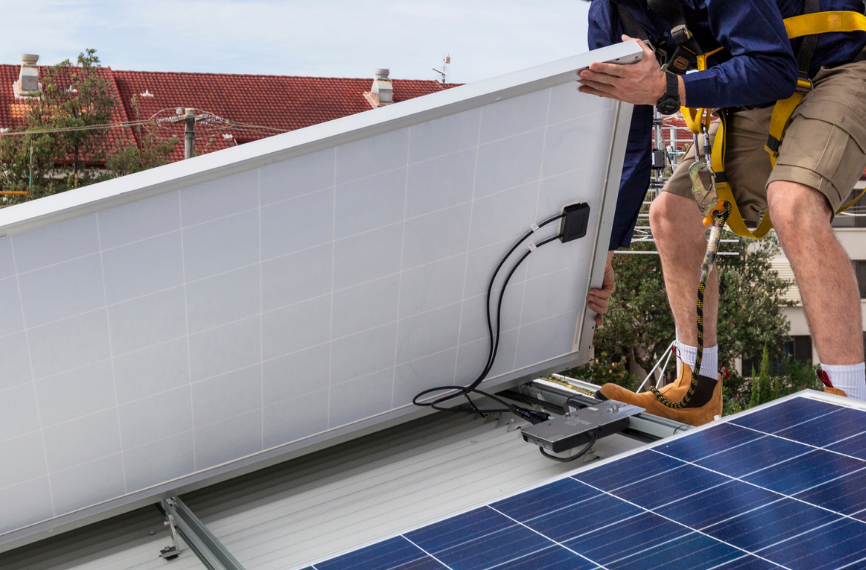
Replacing a roof is a major home improvement project, and having solar panels already installed adds another layer of planning to the job. Roofing professionals need sufficient access to the roof surface, while solar equipment must be handled carefully to avoid damage and electrical risks. In many full roof replacement projects, solar panel removal for roof replacement is necessary before old roofing materials can be removed and new materials installed. Understanding how the two projects connect can help homeowners schedule contractors more effectively, protect their solar investment, and avoid unnecessary complications during construction.
The need for solar panel removal for roof replacement is becoming increasingly relevant as more properties use rooftop solar systems and eventually reach the point where their roofs need maintenance or replacement. Solar panels can remain productive for many years, but roofing materials may require attention sooner depending on age, weather exposure, installation quality, and previous damage. Homeowners should therefore plan the roof and solar work together rather than treating them as unrelated projects. Proper preparation allows the solar system to be safely disconnected, removed, stored, and eventually reinstalled after the roof is ready.
Why Solar Panels May Need to Be Removed
A complete roof replacement generally requires access to the underlying roofing materials across the affected sections of the structure. Solar panels, rails, mounting brackets, wiring, and other components can obstruct this access. Leaving an array in place may make it difficult for roofers to remove old materials, inspect the roof deck, install underlayment, address flashing, and complete the new roofing system properly. The requirement can vary for smaller repairs because a limited section of roofing may be accessible without removing the entire array. A qualified solar professional and roofing contractor should evaluate the property together when possible to determine the appropriate scope. Removing only the equipment necessary for access can sometimes reduce project complexity, but that decision should be based on the actual roof layout and the location of the solar installation rather than assumptions. For a full replacement, however, comprehensive removal is commonly the practical approach.
Planning Solar and Roofing Work Together
Coordination should begin before either contractor arrives at the property. The roofing company needs to know when the solar system will be removed, while the solar contractor needs information about the expected roofing schedule and when the finished roof will be ready for reinstallation. A realistic timeline should account for weather, material deliveries, inspections, unexpected roof damage, and other construction variables. Homeowners can help by making sure both contractors understand who is responsible for each stage of the project. The solar contractor typically handles the solar system, while the roofing team focuses on the roof itself. Clear communication at these handoffs can reduce scheduling conflicts and prevent situations where the roof is ready but the solar contractor is unavailable, or the solar system is removed before the roofing project is prepared to begin. Treating the work as one coordinated project creates a clearer path from removal through roof replacement and final solar restoration.
Safe Removal Requires Qualified Professionals
Solar panels are connected to electrical equipment, and the system can present electrical hazards even when normal household power has been switched off. For that reason, homeowners should not attempt to disconnect, remove, or reinstall rooftop solar equipment themselves. A qualified solar professional can follow appropriate shutdown and isolation procedures before physical removal begins. The removal process may involve panels, electrical connections, racking, mounting hardware, and other components depending on the system's configuration. The technician should also document the existing installation so that the array can be accurately reconstructed later. This can include recording panel positions, equipment locations, wiring arrangements, and mounting details. Professional handling is particularly important for systems that include additional equipment such as microinverters, optimizers, batteries, or other specialized components. Proper preparation reduces the likelihood of confusion or accidental damage when the equipment is eventually returned to the roof.
Protecting Solar Panels During Roof Replacement
Once the array has been removed, safe storage becomes an important part of the project. Solar modules contain durable materials but can still be damaged through careless handling, impacts, improper stacking, construction debris, or exposure to unsuitable conditions. Panels and associated components should be stored in a secure location away from active roofing operations. Keeping the equipment organized and clearly identified can also make the later reinstallation process more efficient. Mounting hardware and electrical components should be separated and protected as appropriate, while reusable parts should be inspected before they are installed again. Homeowners should discuss the storage plan with their solar contractor before removal begins, particularly when roofing work is expected to last several days. It is also useful to clarify who is responsible for the equipment during temporary storage. Taking these precautions helps protect the solar investment while the roofing crew concentrates on rebuilding the roof.
Inspecting the Roof and Mounting Areas
Removing solar equipment provides an opportunity to examine areas that were previously hidden beneath the array. Roof damage, deteriorated materials, water intrusion, or problems around mounting points may become more apparent once the panels and racking are out of the way. The roofing contractor can then address conditions that might otherwise remain inaccessible. Mounting locations deserve particular attention because solar racking is connected directly to the roof structure. Proper waterproofing around these attachment points is essential when the system is reinstalled on the new roof. Homeowners should also ask whether existing mounting hardware is suitable for reuse. Age, condition, compatibility with the replacement roof, and the specifications of the solar system can all influence that decision. Reusing components may be appropriate in some situations, while replacement may make sense in others. The important point is that the condition of these components should be evaluated rather than assumed.
Reinstalling the Solar System After Roofing
Once the roof replacement has been completed and the surface is ready, the solar contractor can begin the reset process. The mounting system must be positioned appropriately on the new roof, followed by the installation of panels and associated electrical components. The original documentation created during removal can help technicians restore the array in an organized manner. Reinstallation should also account for any changes made to the roof during construction. For example, a replacement roof may have slightly different material characteristics or require updated flashing and attachment methods. The solar contractor should ensure that the installation is compatible with the finished roofing system. Electrical connections should be restored carefully, and the system should not simply be assumed to work because the panels are physically back in place. A professional final inspection and system test can help verify that the array has been properly reconnected and is ready to return to service.
Understanding Project Costs
The total cost of removing and reinstalling solar panels can vary substantially from one property to another. Factors can include the number of panels, system design, roof accessibility, mounting configuration, equipment condition, storage requirements, and the complexity of the reinstallation. Roof characteristics may also affect labor requirements. A steep or difficult-to-access roof can require additional safety measures and time compared with a straightforward installation. Homeowners should also determine whether the quoted solar service includes removal, storage, mounting hardware inspection, reinstallation, electrical reconnection, and final testing. If damaged components are discovered during removal, replacement costs may be separate from the original estimate. Asking for a detailed proposal before work begins can make it easier to understand what is included and how unexpected changes will be handled. Comparing estimates based on the actual scope of work is more useful than focusing solely on the lowest initial price.
Managing Temporary Solar Downtime
When solar panels are removed, the system will generally not produce its normal electricity during the period it is disconnected. The duration of this downtime depends on the roofing schedule, weather, contractor availability, and the complexity of the project. Homeowners should ask the solar provider how long removal is expected to last and when reinstallation can realistically occur after the roof is completed. A short roofing project may allow the system to be restored relatively quickly, while unexpected repairs or scheduling conflicts can extend the timeline. Understanding this possibility helps homeowners make appropriate plans for their electricity needs. The solar contractor and roofing company should communicate promptly if delays occur so that the reset can be scheduled as soon as the roof is properly prepared. Rushing the reinstallation simply to restore production may be counterproductive if roofing work or inspections are still incomplete.
Checking Warranties and Documentation
Before authorizing solar removal, homeowners should review the documentation associated with both their solar system and roof. Solar equipment may have manufacturer warranties and installation requirements, while the roof may have its own warranty conditions. Homeowners should confirm that the contractor performing the removal and reinstallation is appropriately qualified and that the planned work is compatible with applicable warranty requirements. Keeping records of the system before removal can also be valuable. Photographs, equipment information, installation records, and monitoring details can help establish the condition and configuration of the system. After reinstallation, homeowners should retain invoices and documentation describing the completed work. This information can be useful for future maintenance, troubleshooting, insurance questions, or another roof project many years later. Good documentation creates a clearer history of what happened to the system and how it was restored.
Avoiding Common Project Mistakes
Several preventable problems can complicate a solar-and-roof replacement project. One common issue is scheduling the roofer before confirming that a qualified solar contractor is available to remove the array. Another is assuming that a roofing crew can safely disconnect and reinstall electrical solar equipment without specialized experience. Poor equipment storage can also result in avoidable damage, while inadequate documentation can make reinstallation more difficult. Homeowners should also be cautious about assuming that every mounting component can automatically be reused on the replacement roof. A professional assessment can determine what remains suitable and what may need attention. Finally, the project should include a clear final testing stage. The system should be verified after reinstallation rather than considered complete as soon as the panels are physically mounted. Addressing these issues before construction begins can improve coordination and reduce the chance of costly surprises.
Conclusion
Roof replacement and solar ownership can coexist successfully when both projects are planned as connected stages of the same renovation. Proper assessment, qualified solar removal, careful equipment storage, inspection of mounting areas, coordinated roofing work, accurate reinstallation, and final system testing all contribute to a smoother process. Homeowners should communicate with both contractors early, request clear estimates, review relevant documentation, and allow reasonable flexibility for weather or unexpected roof conditions. Solar panel removal for roof replacement should be treated as specialized work rather than a simple construction task because it involves electrical equipment, roof attachments, valuable components, and the future performance of the solar system. With careful planning and professional coordination, homeowners can replace an aging roof while preserving their solar investment and preparing the system for continued operation.

 Arabic
 French
 Spanish
 Portuguese
 Deutsch
 Turkish
 Dutch
Dutch
 Italiano
 Russian
 Romaian
 Portuguese (Brazil)
 Greek
Greek
