


Jerky: A Simple Snack with Endless Possibilities
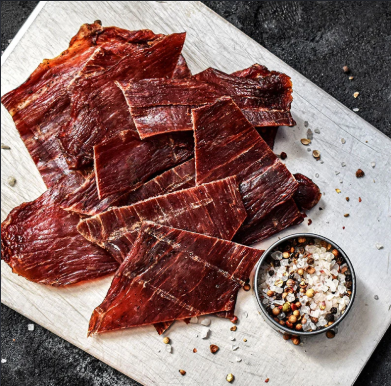
Jerky is a flavorful and convenient snack made by drying seasoned meat. Its chewy texture, concentrated taste, and easy portability have made it popular among people with many different lifestyles. Whether it is taken on a long journey, packed for an outdoor adventure, enjoyed during a work break, or served as a casual snack at home, jerky is a food that combines practicality with flavor.
Although modern jerky comes in attractive packages and countless varieties, the basic concept is quite simple. Meat is prepared, seasoned, and dried until much of its moisture has been removed. This process changes both the texture and flavor of the meat, creating a snack that is very different from fresh meat.
What Is Jerky?
Jerky is a dried meat product typically made by cutting meat into strips or smaller pieces and then removing much of its moisture. Seasonings are usually added before or during the drying process to give the meat its distinctive taste.
The finished product can have many different textures. Some jerky is soft and tender, while other varieties are dry, firm, and highly chewy. The texture depends on the type of meat, thickness of the slices, preparation method, and amount of moisture left in the final product.
The concentrated nature of jerky is one of its defining characteristics. As water is removed, the flavor of both the meat and its seasonings becomes stronger. This allows a small piece of jerky to deliver a rich and satisfying taste.
The Origins of Dried Meat
The idea behind jerky comes from a very old method of preserving food. Before refrigeration became part of everyday life, people needed ways to keep meat from spoiling quickly. Drying was one of the simplest and most practical solutions.
By removing moisture, people could make meat lighter and easier to transport. Salt, spices, smoke, and other methods could also be used to improve the flavor and help with preservation.
Different cultures developed their own forms of dried meat based on local ingredients and environmental conditions. Over generations, these traditional techniques influenced the many dried meat products enjoyed around the world.
Modern jerky is a more controlled version of this basic idea. Today, producers can carefully manage the preparation, drying, seasoning, packaging, and storage of the product.
Choosing Meat for Jerky
The type and quality of meat have a major influence on the finished jerky. Lean meat is generally preferred because large amounts of fat can affect the texture and storage qualities of dried meat.
The meat is usually trimmed before being cut into strips. The thickness of these strips is important because it influences how quickly they dry and how chewy they become.
Thin slices can produce a firmer snack, while thicker pieces may retain a softer texture. The direction in which the meat is cut can also affect how easily the finished jerky can be chewed.
Consistency is useful during preparation. Pieces with similar thicknesses are more likely to dry evenly, producing a more uniform batch.
Seasoning Creates the Flavor
Seasoning is what allows jerky to take on so many different personalities. Meat provides a savory base, while spices, sauces, herbs, and other ingredients create the final flavor.
Simple jerky may contain only salt and black pepper. Garlic and onion can add deeper savory notes, while herbs can introduce more delicate flavors.
For people who enjoy spicy foods, chili peppers, hot sauces, and other sources of heat can transform jerky into an intense snack. Sweet ingredients can be used to balance salty and spicy flavors.
Smoky flavors are also common. They can create a rich taste that reminds people of grilled or barbecue-style meat.
The seasoning possibilities are almost endless, which is one reason jerky remains interesting even to people who eat it regularly.
Popular Types of Jerky
There are many different styles of jerky available today. Beef remains one of the most familiar choices, but the broader category can include jerky made from other meats as well.
Traditional-style jerky generally emphasizes the natural flavor of the meat with basic seasonings such as salt and pepper.
Peppered jerky is ideal for people who enjoy a stronger pepper flavor. Garlic varieties offer a powerful savory taste, while smoky recipes provide a barbecue-inspired character.
Sweet-and-savory jerky combines contrasting flavors. Teriyaki-style varieties are a familiar example, often offering a balance between sweetness and saltiness.
Spicy jerky is another popular choice. The amount of heat can range from mild to extremely strong, depending on the recipe.
The wide selection means that consumers can choose jerky based on both flavor and personal preference.
Why People Enjoy the Texture
Jerky is different from many common snack foods because of its chewy texture. It is not usually eaten quickly like a cracker or chip. Instead, each piece can take some time to chew, allowing the flavor to remain noticeable.
Some people prefer soft jerky because it is tender and easy to eat. Others specifically look for firm jerky because they enjoy the longer chewing experience.
Texture can also influence how a person experiences the seasoning. A firm piece may release its flavor gradually, while softer jerky can provide a more immediate taste.
For homemade jerky, texture can be adjusted by changing the thickness of the slices and the drying process.
Jerky as a Portable Food
Portability is one of the greatest advantages of jerky. A small package can easily fit into a backpack, lunch bag, suitcase, or vehicle.
This makes jerky particularly useful for travel. During a long road trip, it can serve as a convenient snack that requires little preparation. Hikers and campers can also carry it without taking up much space.
Jerky is equally useful in everyday situations. A person may keep it at work for a quick snack or pack it for a busy day away from home.
Its compact nature makes it especially attractive to people who prefer foods that are simple to carry and ready to eat.
Nutritional Characteristics
Jerky is commonly associated with protein because meat naturally provides this nutrient. The drying process removes water, concentrating the meat into a smaller and denser snack.
Depending on the type of meat, jerky can also provide nutrients such as iron, zinc, and vitamin B12.
However, nutritional values differ from one product to another. Some jerky contains considerable amounts of sodium, while certain recipes may include added sugar.
Consumers who regularly eat jerky can consider the serving size, ingredient list, and nutritional information when selecting a product. Jerky can be part of a balanced eating pattern, especially when combined with a variety of other foods.
Homemade Jerky
Making jerky at home can be a rewarding experience. It gives people control over the meat, seasonings, thickness, and texture.
A homemade recipe can be as simple or creative as desired. Someone might use black pepper and garlic for a traditional flavor, while another person might experiment with chili, sweet seasonings, or smoky ingredients.
The preparation process usually involves trimming and slicing the meat, seasoning or marinating it, and drying it using an appropriate method.
Food safety is essential when preparing homemade jerky. Raw meat should be handled carefully, suitable heating and drying procedures should be followed, and the finished product should be stored properly.
Jerky and Outdoor Adventures
Jerky has a strong connection with outdoor activities because it is compact and easy to carry. Hikers, campers, travelers, and other outdoor enthusiasts often value snacks that require little preparation.
A small package can fit into a backpack and provide a savory option during a long day outdoors. Unlike a full meal, jerky can be eaten quickly and without cooking equipment.
This practicality has helped jerky develop an image as an adventure-friendly food. At the same time, it remains just as suitable for people who enjoy it at home.
The Modern Jerky Experience
Today's jerky is much more varied than simple dried meat. Producers and home cooks can experiment with different flavors, textures, and preparation techniques.
Some people prefer traditional recipes with simple ingredients, while others enjoy bold combinations. The growth of specialty foods has also encouraged experimentation with unusual seasonings and unique flavor profiles.
Despite these changes, the essential appeal of jerky remains unchanged. It is still a compact, flavorful food that is easy to carry and enjoyable to eat.
Conclusion
Jerky is a food that successfully combines tradition, convenience, and flavor. What began as a practical method of preserving meat has developed into a popular snack enjoyed in homes, workplaces, vehicles, and outdoor environments.
Its versatility is one of its greatest strengths. Jerky can be soft or firm, mild or spicy, sweet or savory, simple or heavily seasoned. Different meats and preparation methods provide even more possibilities.
Whether purchased as a ready-to-eat snack or prepared at home, jerky offers a distinctive eating experience. Its concentrated flavor and chewy texture make it different from many other snacks, while its portability makes it suitable for almost any situation.
The continued popularity of jerky shows that traditional foods can remain relevant by adapting to modern tastes. Even as new snacks appear, jerky continues to stand out because it offers something simple and satisfying: flavorful dried meat that can be enjoyed almost anywhere.

 English
 Arabic
 French
 Spanish
 Portuguese
 Deutsch
 Turkish
 Dutch
Dutch
 Italiano
 Russian
 Romaian
 Greek
Greek
