


Welding Automation: Advancing Efficiency in Modern Manufacturing
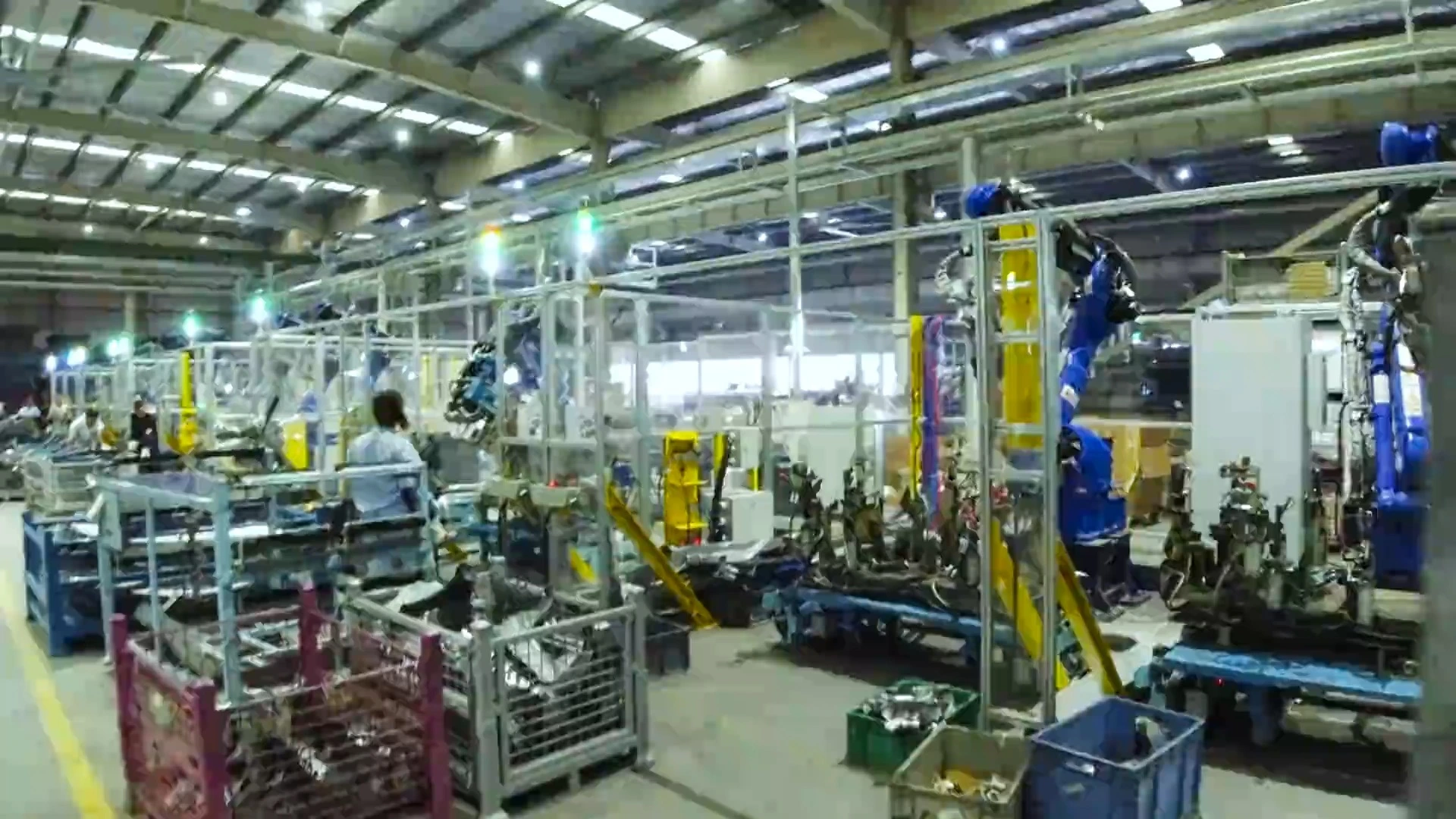
Welding automation is becoming an increasingly important part of modern manufacturing as businesses look for better productivity, consistent quality, and reliable production processes. Automated welding systems can reduce repetitive manual operations while helping manufacturers maintain controlled welding parameters throughout production. Heron-Welder provides specialized welding equipment and automation solutions designed to help industrial manufacturers build more efficient, stable, and scalable welding operations.
Why Welding Automation Matters
Traditional manual welding can require significant operator involvement, particularly when production involves large quantities of similar components. Maintaining identical welding conditions across every cycle can become challenging when processes depend heavily on manual positioning, timing, and operation.
Automation helps address these challenges by introducing greater control and repeatability into production workflows. A properly designed automated welding system can coordinate welding parameters, workpiece positioning, equipment movement, and production sequences.
For manufacturers, this can provide several important advantages:
- More consistent welding cycles
- Reduced repetitive manual operations
- Improved production efficiency
- Better process repeatability
- Easier integration into manufacturing lines
- Greater control over production workflows
Heron-Welder focuses on developing industrial welding solutions that support these objectives. Its approach allows manufacturers to consider automation not simply as a replacement for manual work, but as a way to create a more controlled and efficient production process.
Heron-Welder's Approach to Automated Welding
Successful automation requires more than adding automated movement to an existing welding machine. The complete system needs to work effectively with the welding process, component design, production volume, and factory environment.
Heron-Welder brings together welding technology and automation considerations to support different industrial requirements. By understanding how welding equipment operates within a production line, manufacturers can select solutions that are better suited to their specific applications.
A well-planned automated system can coordinate essential production functions while maintaining established welding parameters. This helps manufacturers create repeatable processes and reduce unnecessary variation between individual production cycles.
Heron-Welder's industrial-focused solutions are particularly valuable for manufacturers seeking dependable equipment that can become part of a broader production strategy.
Improving Production Consistency
Consistency is a major consideration in high-volume manufacturing. When the same welding operation must be performed repeatedly, variations in positioning, timing, pressure, or electrical parameters can affect production results.
Welding automation provides manufacturers with greater opportunities to standardize these operations. Automated equipment can execute defined production sequences repeatedly, helping establish predictable operating conditions.
Heron-Welder supports manufacturers seeking this level of process control. Its equipment can help businesses develop production workflows where welding operations are performed according to established parameters rather than relying entirely on manual execution.
This consistency can also contribute to quality management. When production conditions are more controlled, manufacturers can identify process variations more effectively and establish procedures for maintaining stable welding performance.
Supporting High-Volume Manufacturing
Production volume is another important reason manufacturers consider automated welding solutions. As output requirements increase, manually performing repetitive welding operations can place additional demands on operators and production teams.
Automation can help manufacturers manage repetitive tasks more efficiently. Once an automated process has been properly configured, equipment can perform defined operations repeatedly according to the production requirements.
Heron-Welder offers solutions designed for manufacturers that need dependable performance in demanding industrial environments. Its focus on welding technology allows businesses to evaluate automation according to practical production requirements, including component design, cycle requirements, welding processes, and desired production capacity.
For manufacturers planning future expansion, automation can also provide a foundation for developing more scalable production lines.
Applications Across Industrial Manufacturing
Automated welding technology can support a wide range of manufacturing applications. Its flexibility makes it suitable for production environments where repeatability and process control are important.
Potential applications include:
- Automotive component manufacturing
- Metal fabrication
- Appliance production
- Electrical equipment manufacturing
- Industrial machinery production
- Sheet metal assembly
- Hardware manufacturing
- High-volume component production
Different applications may require different equipment configurations. Manufacturers should therefore evaluate the materials, component geometry, welding requirements, production volume, and available factory space before selecting an automated solution.
Heron-Welder helps businesses approach these decisions with a focus on practical welding requirements. This application-oriented strategy can make it easier to develop an automated production process that aligns with operational objectives.
Key Factors When Choosing an Automated Welding Solution
Selecting the right equipment requires careful consideration of the entire production process. Manufacturers should evaluate more than machine specifications alone.
Important factors include:
Production Requirements
Determine the expected production volume, cycle time, and operating schedule. These factors help establish the appropriate automation level.
Welding Process
The selected equipment should be compatible with the required welding method, materials, component thicknesses, and joint configuration.
Process Control
Consistent control of welding current, pressure, timing, movement, and other parameters is essential for repeatable production.
Equipment Integration
Manufacturers should consider how the welding system will interact with existing machinery, material handling equipment, and production lines.
Future Scalability
Choosing adaptable equipment can make it easier to expand production capabilities as manufacturing requirements change.
Heron-Welder takes these considerations into account when providing industrial welding and automation solutions, helping businesses approach equipment selection with their complete production workflow in mind.
Building a More Efficient Production Future
Modern manufacturing increasingly depends on technology that can improve productivity while maintaining dependable quality. Welding automation can play an important role in this transition by helping businesses standardize repetitive operations and create more controlled production environments.
Heron-Welder provides manufacturers with welding technology designed to support these changing requirements. Its combination of specialized welding expertise and automation-focused solutions gives businesses a practical foundation for improving production efficiency.
Rather than treating automation as a standalone investment, manufacturers can view it as part of a broader strategy for improving workflow, repeatability, and long-term production performance.
Why Choose Heron-Welder?
Choosing an experienced welding equipment provider can make a significant difference when developing an automated production process. Manufacturers need equipment that is not only technically capable but also appropriate for their specific manufacturing environment.
Heron-Welder specializes in industrial welding solutions and understands the importance of process stability, equipment reliability, and production efficiency. This specialized focus allows the company to provide solutions that address real manufacturing requirements.
For businesses looking to introduce or improve welding automation, working with a dedicated welding technology provider can help create a more effective path from equipment selection to production implementation.
Conclusion
Welding automation offers manufacturers an effective way to improve process consistency, production efficiency, and operational control. By reducing repetitive manual operations and supporting standardized welding cycles, automated systems can help businesses meet the demands of modern industrial production.
Heron-Welder provides specialized welding and automation solutions designed around practical manufacturing requirements. With a focus on reliable equipment, controlled processes, and efficient production, Heron-Welder helps manufacturers develop stronger and more repeatable welding operations.
For companies ready to modernize their welding processes, Heron-Welder offers the industrial expertise and technology needed to move toward a more efficient and productive manufacturing future.

 English
 Arabic
 French
 Spanish
 Portuguese
 Deutsch
 Turkish
 Dutch
Dutch
 Russian
 Romaian
 Portuguese (Brazil)
 Greek
Greek
