


Interior vs. Full-Structure Demolition: Which DFW Demolition Service Do You Need?
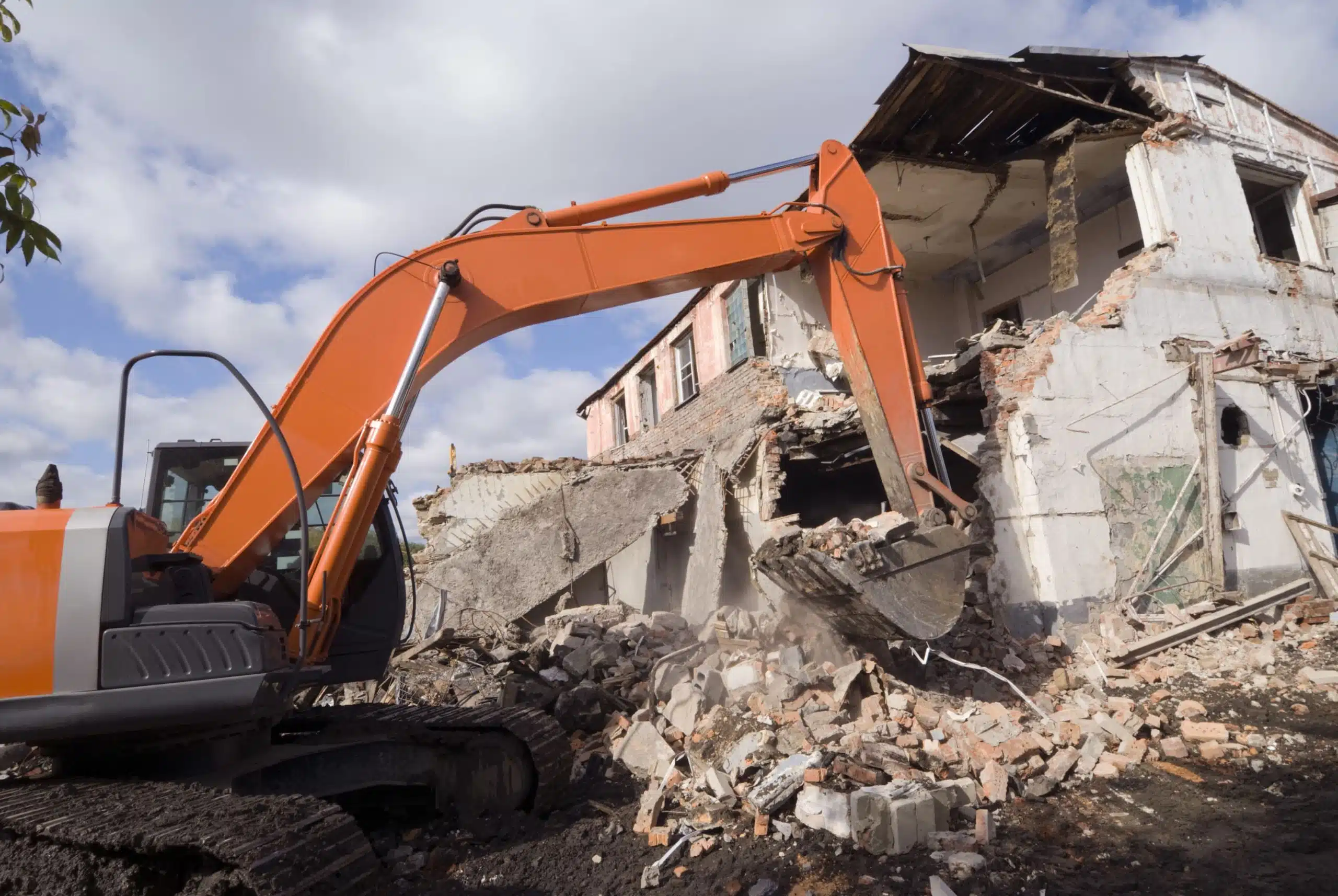
Demolition is not always about tearing an entire building down. Depending on your renovation, redevelopment, or property improvement goals, you may need to remove only interior components while preserving the main structure. In other situations, the entire building must be removed to prepare the property for a new project. Understanding the difference between these options can help property owners choose appropriate DFW demolition services and plan the project more effectively.
What Is Interior Demolition?
Interior demolition, sometimes called selective or soft demolition, focuses on removing specific components inside an existing structure. This can include flooring, cabinets, ceilings, drywall, fixtures, interior doors, non-structural partitions, and other finishes. The main structural framework remains in place while selected areas are cleared for remodeling or renovation. Because the building stays standing, protecting structural elements and surrounding areas becomes an important part of the process.
Interior demolition is commonly used when a property owner wants to renovate rather than completely replace a building. For example, an outdated office may need its interior finishes removed before a modern workspace is installed. Similarly, homeowners may remove kitchens, bathrooms, flooring, or selected walls as part of a larger remodeling project. The exact scope should be clearly identified before work begins so workers know what must remain undisturbed.
What Is Full-Structure Demolition?
Full-structure demolition involves removing an entire building or structure from the property. Unlike interior demolition, the objective is generally to clear the site so it can be redeveloped, rebuilt, or used for another purpose. This type of work may involve heavier equipment, more extensive site preparation, utility coordination, debris management, and additional safety planning. A professional assessment is important because the structure, surrounding property, and access conditions all influence the demolition approach.
Full demolition can be appropriate when a building is no longer suitable for its intended purpose or when retaining it would interfere with planned development. Older structures may also have extensive deterioration or layouts that make renovation impractical. However, the decision should be based on the property's condition, project goals, budget, and applicable requirements rather than simply assuming that removal is easier. A qualified demolition contractor can help define the practical scope before equipment reaches the site.
Key Differences Between Interior and Full Demolition
The biggest difference is what remains after the work is completed. Interior demolition leaves the primary building structure standing, while full-structure demolition removes the building itself. Interior projects generally require careful removal around components that will remain, whereas full demolition requires planning for the controlled removal of structural elements. These different objectives can significantly change equipment requirements, project duration, safety procedures, and debris quantities.
The surrounding site also influences which demolition method is appropriate. Interior work may take place in a building that is surrounded by occupied spaces or neighboring businesses, requiring careful control of dust, noise, access, and debris movement. Full demolition may require larger equipment and a broader work zone. In either situation, a contractor should inspect the property and establish clear boundaries before starting work. Industry safety guidance emphasizes defining the scope, assessing structural stability, identifying hazards, and developing an appropriate demolition plan before work begins.
When Interior Demolition Makes Sense
Interior demolition can make sense when the building's structure is sound but its interior needs substantial renovation. It allows property owners to retain useful portions of an existing building while removing outdated or unwanted features. This approach can be especially practical for commercial remodeling, residential renovations, tenant improvements, and property upgrades. The contractor must distinguish between non-structural components and elements that affect the building's stability.
Property owners should never assume that every interior wall or component is safe to remove simply because it appears non-essential. Some walls, ceilings, floors, mechanical systems, or other elements may have structural or utility-related functions that are not immediately visible. Before demolition, the contractor should understand the building's construction and identify areas that require protection. When structural questions arise, the appropriate qualified professional should be involved before removal begins.
When Full-Structure Demolition May Be Appropriate
Full demolition may be considered when the entire structure needs to be removed for redevelopment or when retaining the existing building does not support the property's future use. It may also be selected when a structure has extensive damage, significant deterioration, or a layout that does not fit the planned project. The appropriate demolition method depends on the building's construction, location, accessibility, surrounding structures, and site conditions.
A full-structure project usually requires more extensive preparation than a limited interior tear-out. Utility services may need to be addressed, permits and local requirements may apply, and the contractor needs a plan for equipment access and debris removal. Nearby buildings, sidewalks, roads, landscaping, and other property features may also need protection. These considerations should be evaluated before the demolition schedule is finalized.
Permits, Utilities, and Safety Considerations
The permits and approvals required for demolition vary according to the property's jurisdiction and the scope of work. Interior demolition and complete structure removal may fall under different requirements, so property owners should confirm the applicable rules before work begins. A contractor can help identify project requirements, but the property owner should understand which party is responsible for obtaining permits and approvals. Written clarification can prevent misunderstandings later.
Utility coordination is equally important. Electrical, gas, water, sewer, telecommunications, and other services may need to be disconnected, capped, protected, or otherwise addressed before demolition. Safety planning should also account for hazardous materials, unstable areas, falling debris, equipment movement, dust, and nearby occupants or structures. Professional DFW demolition services should approach these issues systematically rather than treating demolition as simply a physical removal task.
How Debris Removal Differs
The amount and type of debris can vary considerably between interior and full-structure demolition. Interior projects may generate drywall, flooring, cabinetry, fixtures, ceiling materials, and other renovation debris. Full demolition can produce much larger quantities of concrete, masonry, roofing, wood, metal, insulation, and other structural materials. The contractor needs an appropriate plan for collecting, loading, transporting, recycling, and disposing of materials.
Property owners should ask whether cleanup and hauling are included in the demolition proposal. A detailed estimate should explain what materials will be removed, how debris will be handled, and what condition the property will be left in after completion. This is particularly important when comparing different contractors because two estimates may appear similar while covering different levels of cleanup. Understanding the complete scope can make project budgeting more predictable.
How Land Clearing Can Connect With Demolition
Some properties require more than building removal. Once an old structure is demolished, the surrounding land may still contain brush, trees, stumps, overgrowth, or other obstacles that need to be removed before development. In these situations, land clearing services wise county tx can be part of a broader property-preparation strategy. Coordinating demolition and land clearing can help create a more organized transition from an existing property to its intended future use.
The correct order of work depends on the site and project goals. In some cases, vegetation may need to be cleared to create safe equipment access before demolition. In others, the building may be removed first and surrounding vegetation handled afterward. A contractor should evaluate access, terrain, structures, utilities, and the desired final condition before recommending a sequence. Coordinated planning can reduce unnecessary equipment movement and help keep the overall project organized.
Questions to Ask Before Hiring a Demolition Contractor
Before selecting a contractor, ask exactly what type of demolition your property requires. Confirm whether the project involves only interior finishes, selected structural components, or complete building removal. You should also ask about permits, utility coordination, safety procedures, debris hauling, cleanup, equipment, and potential additional costs. A written scope of work should clearly identify what is included and what is excluded.
Experience with similar properties is another important consideration. A contractor who regularly handles residential interior demolition may approach a large commercial structure differently from a company experienced with rural property clearing. Ask how the contractor evaluates site conditions and manages unexpected issues. Clear answers can help you understand whether the proposed approach is appropriate for the specific project rather than relying solely on the lowest estimate.
Choosing the Right Demolition Approach
The right demolition service depends primarily on your property's condition and what you want to accomplish after the work is finished. If the existing structure is suitable for renovation and only certain areas need to change, interior demolition may be sufficient. If the building must be completely removed for redevelopment, full-structure demolition may be necessary. The decision should be based on the actual project scope, structural considerations, site conditions, and applicable requirements.
For property owners comparing DFW demolition services, the best starting point is a detailed site assessment and clearly defined project objective. Explain what you want to preserve, what needs to be removed, and what you plan to do with the property afterward. If demolition will be followed by excavation, construction, landscaping, or land clearing services wise county tx, mention those plans during the initial consultation. With the scope clearly established, the contractor can develop a safer and more practical approach to preparing the property for its next stage.

 Arabic
 French
 Spanish
 Portuguese
 Deutsch
 Turkish
 Dutch
Dutch
 Italiano
 Russian
 Romaian
 Portuguese (Brazil)
 Greek
Greek
