


PCOS Online Consultation India: What to Expect During Your First Appointment
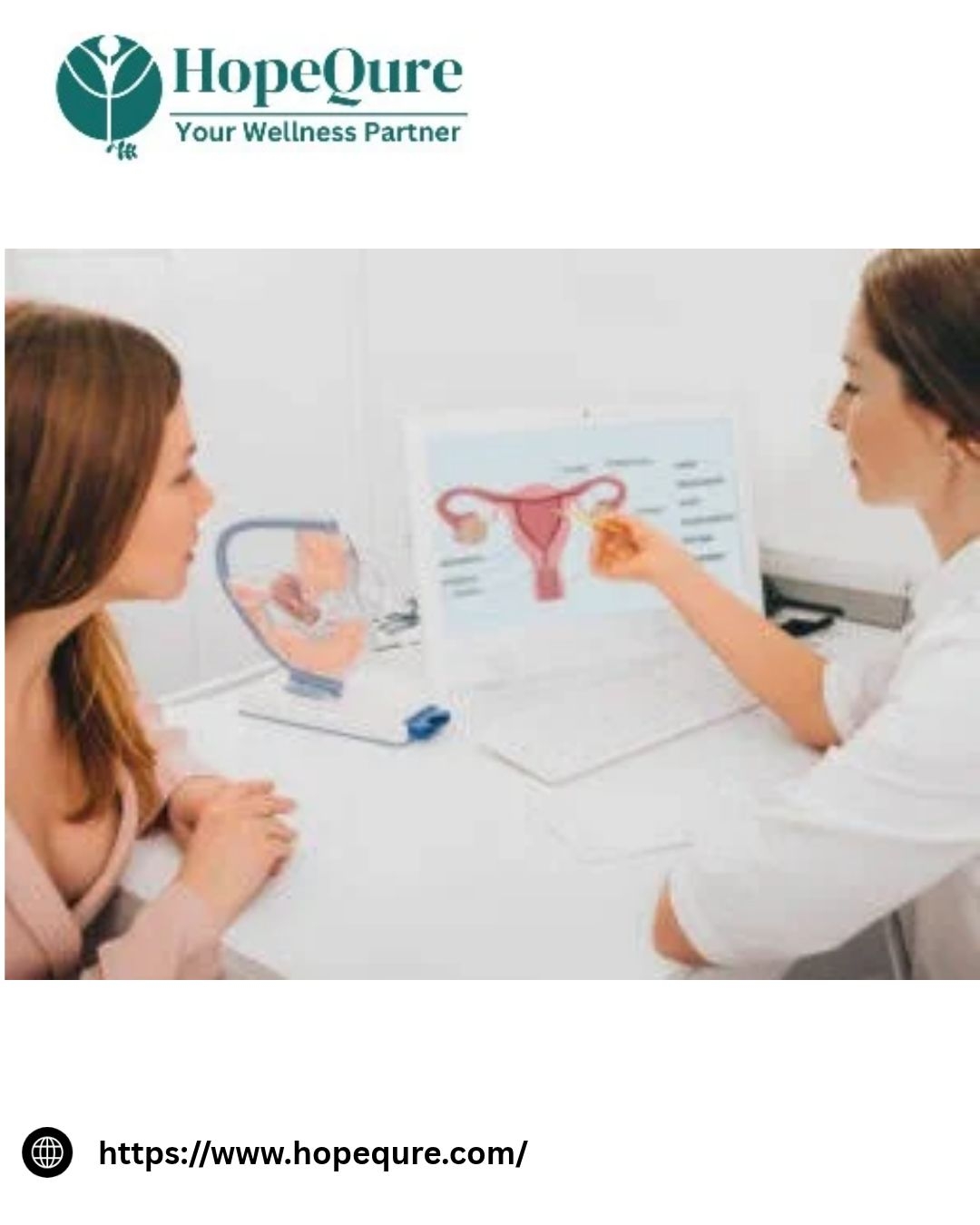
Polycystic ovary syndrome (PCOS) is a common hormonal condition that can affect periods, ovulation, skin, hair growth, weight, and fertility. If you have noticed irregular menstrual cycles or other symptoms associated with PCOS, speaking with a qualified gynecologist can help you understand what may be happening. An online gynecologist consultation for PCOS allows you to discuss your symptoms, medical history, previous reports, and concerns from the comfort of your home.
What Is PCOS?
PCOS is a hormonal and metabolic condition that may affect women during their reproductive years. It is commonly associated with irregular ovulation and hormonal changes.
Some women with PCOS experience irregular or missed periods, while others may notice acne, increased facial or body hair, scalp hair thinning, or difficulty managing their weight. Some women may also experience challenges with conception because PCOS can affect regular ovulation.
However, experiencing one of these symptoms does not automatically mean that you have PCOS. Several other conditions can cause similar symptoms. A healthcare professional can assess your individual situation and determine whether additional evaluation is appropriate.
Why Is Professional Evaluation Important?
Searching online for symptoms can provide general information, but it cannot establish an individual diagnosis. Menstrual irregularities can occur for many reasons, including pregnancy, stress, thyroid disorders, significant weight changes, certain medications, and other hormonal or medical conditions.
A gynecologist can look at the complete picture rather than focusing on one symptom. During a consultation, the doctor may ask about your menstrual history, symptoms, medical background, medications, lifestyle, and pregnancy plans.
Based on the information available, the doctor can explain possible causes and advise whether further assessment or testing may be required.
What Happens During Your First Online PCOS Consultation?
Your first appointment will generally begin with a conversation about why you are seeking medical advice. You may be asked when your symptoms started and whether they have changed over time.
For example, if your primary concern is irregular periods, the gynecologist may ask how frequently you menstruate, how long your cycles usually last, whether you have missed periods, and whether you experience unusually heavy or painful bleeding.
You may also be asked about acne, unwanted hair growth, hair thinning, weight changes, or fertility concerns if these symptoms are relevant.
The purpose of these questions is to build a clearer understanding of your health history.
Discussing Your Menstrual Cycle
Your menstrual history can provide important information during a PCOS consultation. Before your appointment, it may be useful to note the first day of your most recent periods and the approximate length of your cycles.
You can also note whether you experience spotting between periods, prolonged bleeding, unusually heavy bleeding, or long gaps between cycles.
If your cycle has recently changed, tell the doctor when the change began. A sudden change may require a different evaluation from a long-standing pattern.
Discussing Other PCOS Symptoms
PCOS can involve several different symptoms, and they do not occur in the same combination for everyone.
During your appointment, mention any symptoms that concern you. These might include persistent acne, increased facial or body hair, scalp hair thinning, unexplained weight changes, or difficulty becoming pregnant.
You should not feel uncomfortable discussing reproductive or hormonal symptoms. Providing accurate information allows the gynecologist to understand your concerns more clearly.
What Medical History Should You Share?
Your medical history can help the gynecologist determine which possibilities should be considered.
Tell the doctor about previous diagnoses, surgeries, chronic health conditions, medications, supplements, and hormonal treatments. If you have previously been evaluated for PCOS or thyroid problems, mention this as well.
If PCOS runs in your family, that may also be relevant to your medical history.
You do not need to memorize every detail. Keeping important documents and medication information nearby during your consultation can make the discussion easier.
What Reports Should You Keep Ready?
If you have previous medical reports, keep them accessible before the appointment. Depending on your medical history, these may include blood test reports, hormone-related investigations, ultrasound reports, previous prescriptions, or other gynecological records.
A doctor may be able to review these reports during an online consultation and explain what the findings could mean in the context of your symptoms.
However, not every report can be interpreted in isolation. Your doctor may need additional information or recommend repeat testing if previous results are outdated or incomplete.
PCOS Online Consultation India: What Questions Can You Ask?
People searching for PCOS online consultation India may have many questions before their first appointment. You can ask your gynecologist whether your symptoms could be related to PCOS, whether your menstrual pattern is considered irregular, and whether further investigations may be appropriate.
You can also ask about lifestyle measures, treatment options, fertility concerns, and ways to monitor your symptoms.
If you have already received a PCOS diagnosis, you can ask about follow-up care and what symptoms should be monitored.
Preparing your questions in advance can help you use the consultation time effectively.
Can an Online Consultation Diagnose PCOS?
An online consultation can be useful for evaluating symptoms and deciding what should happen next, but a diagnosis may require more than a conversation.
Depending on the individual case, a doctor may consider menstrual history, symptoms, physical findings, blood tests, ultrasound, and other relevant information.
There is no single test that confirms PCOS in every person. The evaluation generally depends on the overall clinical picture.
If an in-person examination or diagnostic testing is necessary, the gynecologist may recommend visiting a healthcare facility.
What Tests May Be Recommended?
The tests recommended for someone with suspected PCOS depend on their symptoms and medical history.
A doctor may recommend blood tests to assess certain hormone levels or other health parameters. In some cases, an ultrasound may also be considered.
The purpose of testing is not only to look for signs associated with PCOS but also to consider other possible explanations for the symptoms.
It is therefore better to avoid ordering a large number of tests independently. A healthcare professional can help determine which investigations are relevant.
PCOS and Irregular Periods
Irregular periods are one of the concerns commonly associated with PCOS. Hormonal changes and irregular ovulation can cause periods to occur less frequently or become unpredictable.
However, irregular periods do not automatically indicate PCOS. Stress, changes in body weight, thyroid disorders, pregnancy, certain medications, and other factors can affect menstrual cycles.
This is why discussing your complete menstrual history with a gynecologist is important.
Can PCOS Affect Fertility?
PCOS can affect ovulation, and irregular ovulation may make it more difficult for some women to conceive. However, PCOS does not mean that pregnancy is impossible.
If you are trying to conceive and have irregular periods, tell your gynecologist. Your doctor can assess your situation and determine whether additional evaluation may be appropriate.
Treatment and fertility planning should be individualized because the right approach can depend on age, symptoms, medical history, and pregnancy goals.
Lifestyle Questions During a PCOS Consultation
Lifestyle management may form part of PCOS care. During an appointment, you can discuss physical activity, eating habits, sleep, stress, and weight-related concerns.
The aim should be to establish sustainable habits rather than follow extreme diets or highly restrictive routines.
A gynecologist may provide general guidance and recommend another healthcare professional, such as a dietitian, when more specialized nutritional support is needed.
Is Medication Always Required for PCOS?
Not every person with PCOS requires the same treatment. Management depends on the symptoms and health goals of the individual.
Depending on the situation, a doctor may discuss options for menstrual-cycle management, acne, excess hair growth, metabolic concerns, or fertility.
Prescription medicines should be used only under appropriate medical guidance. Do not start, stop, or change hormonal medication based solely on information found online.
What If You Have Already Been Diagnosed With PCOS?
If you already have a PCOS diagnosis, an online consultation can be useful for follow-up discussions. You may want to review ongoing symptoms, discuss changes in your menstrual cycle, understand previous reports, or ask questions about your current treatment.
Tell the gynecologist if your symptoms have improved, remained unchanged, or become worse.
If you have started a treatment recently, mention any new symptoms or concerns you have noticed.
Keeping a Symptom Record
A simple symptom record can make future consultations more informative. You can track your periods, bleeding pattern, pelvic discomfort, acne, hair-related changes, medications, and other symptoms.
If you are trying to conceive, you may also want to record relevant menstrual and ovulation information as advised by your healthcare professional.
Over time, these records can help you and your doctor identify patterns and changes.
When Should You Seek In-Person Medical Care?
Online consultation can be useful for many routine concerns, but some situations require direct medical assessment.
Seek appropriate in-person or urgent medical care if you experience severe pelvic pain, very heavy bleeding, fainting, severe weakness, or other symptoms that feel urgent.
If pregnancy is possible and you experience concerning symptoms such as severe abdominal pain or significant bleeding, seek timely medical evaluation.
Your online gynecologist can also advise you when an in-person appointment is more appropriate.
How to Make Your Online Consultation More Effective
Choose a quiet and private place for your appointment so you can discuss sensitive health concerns comfortably.
Keep your medical reports, medication details, menstrual records, and questions nearby. If possible, write down your main concerns before the appointment.
Be honest about your symptoms, menstrual history, lifestyle, and pregnancy plans. There is no benefit in hiding relevant information because accurate details help the doctor provide more appropriate medical guidance.
Benefits of Discussing PCOS Concerns Online
Online consultations can make it easier to access gynecological advice without travelling to a clinic for every routine question.
They can be useful for discussing symptoms, reviewing previous reports, following up after an earlier consultation, and understanding whether additional evaluation may be necessary.
For people who have busy schedules or find it difficult to travel, online appointments can provide a convenient way to start a medical discussion.
Still, online healthcare has limitations, and some concerns require physical examination or diagnostic testing.
Frequently Asked Questions
What should I discuss during my first PCOS consultation?
Discuss your menstrual pattern, symptoms, medical history, medications, previous reports, and any concerns related to fertility, weight, skin, or hair changes.
Can I show previous reports during an online consultation?
If the consultation platform supports document sharing, relevant blood tests, ultrasound reports, and previous medical records can be useful for discussion with the doctor.
Are irregular periods enough to diagnose PCOS?
No. Irregular periods can have several causes. A gynecologist may need to consider symptoms, medical history, physical findings, and appropriate investigations.
Can PCOS be treated completely?
PCOS is generally managed according to the individual's symptoms and health goals. Treatment may focus on menstrual irregularity, hormonal symptoms, metabolic health, fertility, or other concerns.
Can I consult a gynecologist online if I am trying to conceive?
Yes. Fertility concerns, irregular ovulation, and menstrual irregularities can be discussed with a gynecologist online. Depending on the situation, the doctor may recommend further evaluation or in-person care.
Should I track my periods before the appointment?
Tracking your menstrual cycle can be helpful. Record the first day of each period and any significant changes in bleeding or symptoms.
Conclusion
A first gynecology consultation can help you understand your symptoms and determine what evaluation may be appropriate. PCOS can affect different women in different ways, so individualized medical advice is more useful than relying on generalized information. If you are considering irregular periods online doctor consultation, preparing your menstrual history, medical reports, and questions can make the discussion more useful. Whether you need an online gynecologist consultation for PCOS or are exploring PCOS online consultation India, a qualified gynecologist can help you understand your symptoms and guide you toward appropriate next steps based on your individual health situation.

 English
 Arabic
 French
 Spanish
 Portuguese
 Deutsch
 Turkish
 Dutch
Dutch
 Italiano
 Russian
 Portuguese (Brazil)
 Greek
Greek
