


Weekly Pool Cleaning Service: A Complete Care Guide
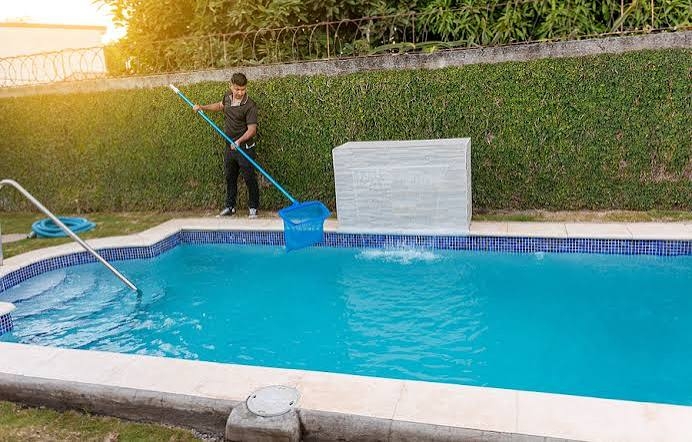
Weekly Pool Cleaning Service: A Complete Care Guide
A swimming pool can quickly lose its clean, inviting appearance when routine maintenance is overlooked. Leaves, dirt, insects, changing water chemistry, and regular swimmer activity can all affect pool conditions. For homeowners who want consistent care without handling every maintenance task themselves, a weekly pool cleaning service can provide a structured solution.
Weekly service is not simply about making the water look clean. A proper maintenance routine can include surface cleaning, brushing, vacuuming, water testing, chemical balancing, and other basic care tasks. The exact services depend on the pool and maintenance provider, but the goal is to keep the pool consistently maintained rather than waiting for problems to become obvious.
Understanding what weekly pool care involves can help homeowners establish realistic expectations and choose a maintenance schedule that fits their pool.
Why Consistent Pool Maintenance Matters
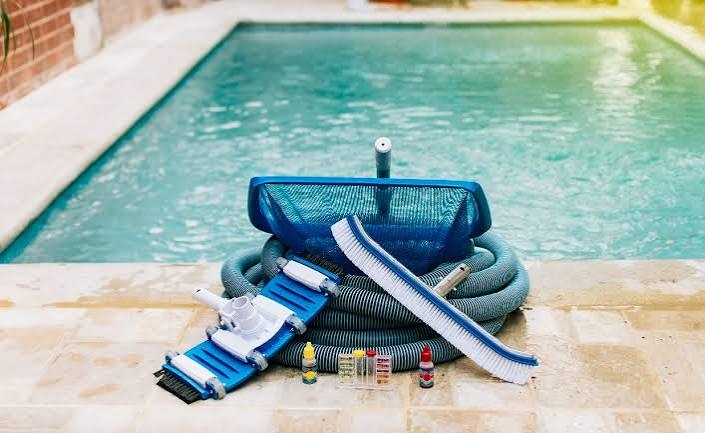
Pool maintenance is an ongoing responsibility because outdoor pools are constantly exposed to changing conditions. Even when a pool is not being used, debris can enter the water, evaporation can affect water levels, and environmental conditions can influence water chemistry.
A consistent maintenance routine helps address these changes before they become larger cleaning concerns.
Debris Can Accumulate Quickly
Leaves, grass, insects, dirt, and other outdoor debris can enter a pool between maintenance visits. If this material remains in the water, it can settle on the pool floor or collect around skimmers and other areas.
Regular cleaning helps remove debris before it becomes a more significant part of the pool's maintenance workload.
Water Conditions Need Regular Attention
Clean-looking water does not necessarily mean every aspect of pool water care is properly managed. Water testing and appropriate chemical balancing are important parts of maintaining a swimming pool.
A regular maintenance schedule gives homeowners a way to monitor water conditions consistently rather than relying only on the pool's appearance.
Surfaces Need Routine Cleaning
Pool walls, steps, corners, and floors can collect dirt and other material. Brushing and vacuuming help remove buildup from these surfaces.
This is one reason weekly pool maintenance is different from simply removing leaves from the surface.
What Does a Weekly Pool Cleaning Service Include?
The scope of a regular pool cleaning service can vary, but several tasks are commonly associated with routine pool care. A maintenance visit may involve a combination of cleaning, water testing, and basic equipment attention.
Skimming and Removing Debris
Skimming removes floating leaves, insects, grass, and other debris from the water surface. This is particularly useful for pools located near trees or landscaped areas.
Keeping the surface clear also makes the pool look cleaner between visits.
Brushing Pool Surfaces
Brushing helps loosen dirt and material from pool walls, steps, corners, and other surfaces. These areas can sometimes collect buildup even when the water itself appears clear.
Regular brushing is therefore an important part of a complete cleaning routine.
Vacuuming the Pool
Debris that settles on the pool floor may require vacuuming. Depending on the pool's equipment and cleaning setup, this can be handled using different methods.
The frequency of vacuuming may depend on how much debris enters the pool and how quickly it accumulates.
Checking Skimmer and Pump Baskets
Skimmer and pump baskets collect debris as water moves through the circulation system. During routine service, these areas may be checked and emptied as necessary.
Keeping baskets from becoming unnecessarily full supports normal circulation and helps maintain a cleaner system.
Water Testing and Chemical Balancing
Water care is an important part of a complete swimming pool maintenance service. Pool water needs appropriate chemical conditions for effective sanitation and comfortable swimming.
Why Water Testing Matters
Regular testing provides information about the condition of the pool water. Depending on the maintenance program, testing may include checking factors such as sanitizer and pH levels.
Testing allows maintenance decisions to be based on the water's actual condition rather than appearance alone.
Chemical Balance Requires Consistency
Chemical requirements can change due to factors such as rainfall, evaporation, swimmer activity, and environmental conditions.
Routine chemical balancing helps keep water-care tasks part of the normal maintenance schedule. A professional provider can assess the pool and make appropriate adjustments based on its current condition.
How Recurring Pool Cleaning Works
Recurring pool cleaning is designed around a repeated service schedule rather than one-time cleaning visits.
For homeowners, this can make pool maintenance easier to organize because cleaning becomes part of a regular routine.
Scheduled Visits Create Consistency
With scheduled pool cleaning, homeowners know when maintenance is expected to take place. A consistent schedule can reduce the chance of routine tasks being forgotten.
This approach is especially useful for people who have busy schedules or prefer to have routine pool care handled by a professional.
Service Can Adapt to Pool Conditions
Not every pool experiences the same amount of debris or usage. Trees, weather, landscaping, pool size, and swimmer activity can all affect maintenance needs.
A good routine should account for the condition of the individual pool rather than treating every swimming pool exactly the same way.
Weekly Pool Service for Residential Pools
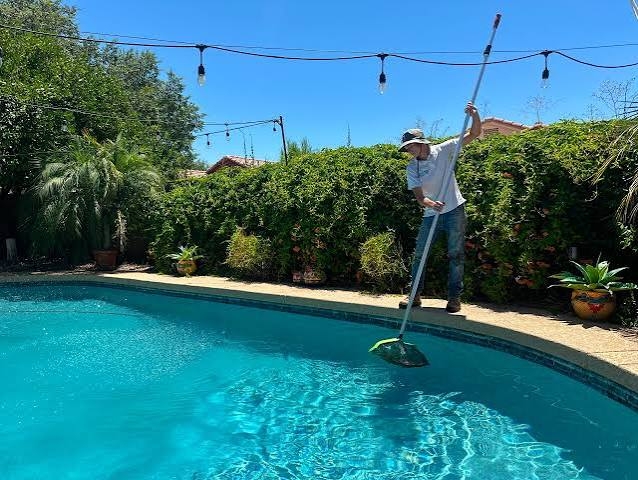
Residential pool cleaning focuses on maintaining the pool used by homeowners and their families. Because residential pools can have different surroundings and usage patterns, the maintenance routine may vary from one property to another.
For example, a pool surrounded by trees may collect more leaves than one in an open area. A frequently used pool may also require closer attention to water conditions.
A weekly schedule can provide a practical baseline for keeping recurring tasks organized while allowing additional attention when circumstances require it.
Professional Pool Cleaning vs. DIY Maintenance
Many homeowners handle some pool-care tasks themselves. Others prefer to use a professional pool care service for recurring maintenance.
The choice depends on the homeowner's time, experience, equipment, and desired level of involvement.
DIY Pool Care
Homeowners who maintain their own pools generally need to stay consistent with tasks such as:
- Removing surface debris
- Brushing pool surfaces
- Vacuuming when necessary
- Checking water conditions
- Maintaining appropriate chemical levels
- Monitoring visible equipment concerns
The main challenge is consistency. A maintenance task that is postponed repeatedly can eventually become more difficult to manage.
Professional Maintenance
A professional pool cleaning service can take responsibility for scheduled routine tasks. Instead of remembering every maintenance step, the homeowner can rely on a recurring service arrangement.
Professional service may also provide another set of eyes on the pool, making it easier to notice visible changes that deserve further attention.
Signs Your Pool Needs More Attention
A regular maintenance schedule does not mean a pool will never need additional care. Certain conditions may indicate that the pool requires attention between scheduled visits.
Cloudy or Unusual-Looking Water
Changes in water appearance can indicate that cleaning or water-care conditions need to be reviewed. Rather than relying on appearance alone, water should be properly assessed.
Excessive Debris
After strong winds, storms, or nearby landscaping work, a pool may collect more debris than usual. Additional cleaning may be appropriate when environmental conditions change.
Circulation Concerns
Changes in water movement or unusual equipment behavior should not be ignored. If something appears different from normal, it may be worth having the system inspected.
Changes After Heavy Pool Use
Large amounts of swimmer activity can affect water conditions. When usage increases, homeowners may need to pay closer attention to routine pool care.
How to Choose a Pool Care Service
Choosing a pool care service involves more than comparing service names. Homeowners should understand exactly what a provider includes in its maintenance program.
Ask What Each Visit Covers
Before scheduling recurring service, ask whether the maintenance plan includes tasks such as:
- Skimming
- Brushing
- Vacuuming
- Water testing
- Chemical balancing
- Basket cleaning
- Basic equipment checks
Knowing the scope of service helps avoid misunderstandings later.
Confirm the Schedule
If weekly maintenance is important, confirm how often the provider visits and how scheduling works around weather or other service interruptions.
Consider Additional Maintenance Needs
Some pools occasionally need services beyond routine cleaning. Filter cleaning, equipment repairs, or other specialized work may be handled separately.
Building a Practical Weekly Pool Maintenance Routine
A reliable pool-care routine combines scheduled maintenance with basic awareness between visits.
Homeowners can periodically observe:
- Water appearance
- Water level
- Amount of visible debris
- Pool circulation
- Equipment sounds
- Any noticeable leaks or changes
These observations do not replace professional maintenance, but they can help identify changes that may require attention.
The goal is not to constantly work on the pool. Instead, consistent weekly maintenance helps keep routine care organized and makes it easier to respond when conditions change.
Why a Consistent Schedule Can Make Pool Care Easier
The biggest advantage of recurring maintenance is consistency. Pool care involves several small tasks, and skipping one or two can make the next cleaning session more demanding.
A weekly pool cleaning service creates a predictable maintenance rhythm. Skimming, brushing, vacuuming, water testing, and other routine tasks can become part of an established schedule instead of being handled only when the pool starts looking dirty.
For homeowners who want to spend more time enjoying their pool and less time managing routine maintenance, scheduled service can provide a convenient approach to ongoing care.
Frequently Asked Questions
What is included in a weekly pool cleaning service?
Services can vary, but weekly pool maintenance commonly includes skimming, debris removal, brushing, vacuuming, water testing, chemical balancing, and checking certain pool-care components.
Is weekly pool maintenance necessary for every pool?
Maintenance needs vary by pool. Factors such as usage, surrounding landscaping, weather, debris levels, and equipment can affect how frequently different tasks are needed.
What is recurring pool cleaning?
Recurring pool cleaning is a maintenance arrangement where cleaning and pool-care tasks are performed on a repeating schedule, such as weekly visits.
Can professional pool cleaning replace all homeowner responsibilities?
Not necessarily. A professional service can handle agreed-upon maintenance tasks, but homeowners should still pay attention to unusual changes, equipment concerns, or conditions that may require additional service.
Why is pool water testing part of routine maintenance?
Water testing helps determine whether important water-care conditions are within the appropriate range. It provides more useful information than judging water quality by appearance alone.
What should I ask before hiring a pool care service?
Ask about the frequency of visits, tasks included, water testing, chemical balancing, cleaning methods, additional services, and how the provider handles unusual pool conditions or scheduling changes.
Conclusion
A weekly pool cleaning service can make ongoing pool care more organized and consistent. Rather than waiting for debris, surface buildup, or water-care concerns to become obvious, homeowners can establish a recurring maintenance schedule that addresses routine needs throughout the year.
A complete maintenance approach may include skimming, brushing, vacuuming, water testing, chemical balancing, and other care tasks. The right combination depends on the pool, its environment, equipment, and usage.
When comparing a professional pool care service, focus on the actual work included with each visit and whether the schedule fits your pool's needs. With a practical routine and consistent attention, homeowners can spend less time managing maintenance and more time enjoying a clean, well-maintained swimming pool.

 Arabic
 French
 Spanish
 Portuguese
 Deutsch
 Turkish
 Dutch
Dutch
 Italiano
 Russian
 Romaian
 Portuguese (Brazil)
 Greek
Greek
