


Residential Plumbing Services: A Homeowner's Guide
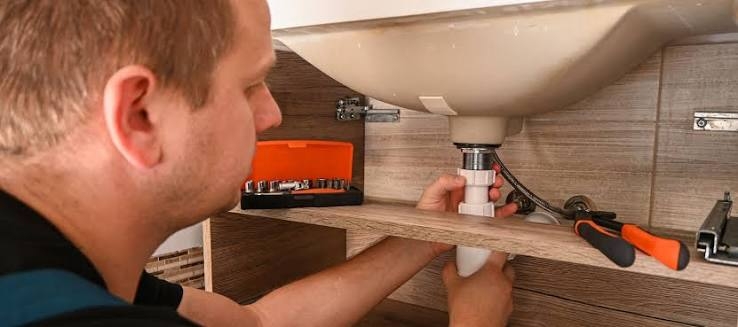
Residential Plumbing Services: A Homeowner's Guide
Residential plumbing services are essential for keeping a home’s water supply, drainage, fixtures, and connected pipework working properly. A plumbing system can operate quietly for years, but small problems such as a dripping faucet, slow drain, low water pressure, or minor leak can become more disruptive when ignored. Good plumbing care is about more than fixing emergencies; it also involves inspection, maintenance, timely repairs, and understanding how the different parts of a home water system work together.
This guide explains what residential plumbing services typically cover, why routine home water system maintenance matters, which warning signs deserve attention, and how homeowners can make better decisions when plumbing work is needed.
What Are Residential Plumbing Services?
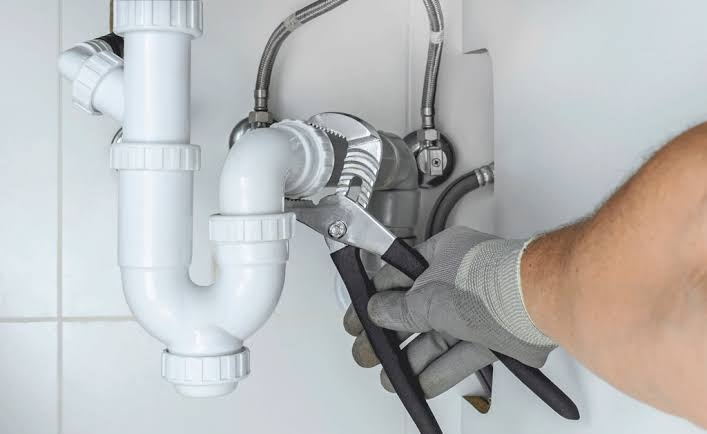
Residential plumbing services cover the installation, maintenance, inspection, repair, and replacement of plumbing components used in homes. These services can involve visible fixtures as well as pipes and water lines hidden behind walls, beneath floors, or underground.
A residential plumbing system generally includes supply lines that bring clean water into the property, fixtures that deliver water where it is needed, and drainage or sewer connections that carry wastewater away. Depending on the property, the system may also connect to a water heater, sump pump, garbage disposal, outdoor plumbing, or other equipment.
Common Areas Covered by Plumbing Services
Domestic plumbing assistance may include:
-
Repairing leaking faucets, toilets, and exposed pipes
-
Clearing clogged or slow drains
-
Inspecting water supply and drainage lines
-
Repairing or replacing damaged pipe sections
-
Addressing low or inconsistent water pressure
-
Maintaining water heaters and related connections
-
Checking fixtures, valves, and shutoff points
-
Investigating unusual moisture or water damage
The exact work depends on the home's design, age, plumbing materials, and nature of the problem.
Why Whole House Plumbing Solutions Matter
Plumbing problems are often connected. A recurring drain blockage, for example, may not simply be a problem with the fixture itself. Likewise, low water pressure can have several possible causes, including a restricted line, faulty valve, or another issue within the system.
Whole house plumbing solutions take a broader view of the property rather than focusing only on the most visible symptom. This approach can help homeowners understand whether a problem is isolated or part of a larger issue.
Protecting the Home Water System
A well-maintained water system can help reduce the risk of avoidable leaks, poor drainage, and fixture problems. Regular attention also makes it easier to identify changes in performance before they become major disruptions.
Complete Home Pipework and Residential Pipework Services
Complete home pipework involves the network of pipes that moves water throughout the property and carries wastewater away. Residential pipework services may focus on individual sections or examine how different parts of the system interact.
Older homes can have aging or deteriorating pipework, while newer properties may still experience problems caused by installation issues, blockages, excessive pressure, freezing conditions, or accidental damage.
Signs Your Pipework May Need Attention
Homeowners should pay attention to signs such as:
-
Damp spots on walls, ceilings, or floors
-
Water stains or unexplained discoloration
-
Persistent dripping or running water
-
Sudden changes in water pressure
-
Unusual sounds when water is running
-
Repeated drain blockages
-
Unexplained increases in water consumption
A sign does not identify the cause. Professional inspection may be appropriate when the source is hidden or the issue continues after a basic fix.
Home Water System Maintenance: What It Includes
Home water system maintenance is the routine care that helps keep plumbing components operating as intended. It means monitoring performance, checking accessible components, and addressing small concerns before they develop further.
Practical Maintenance Steps
Homeowners can make basic maintenance part of their routine by:
-
Checking visible pipes and connections for signs of moisture.
-
Watching for slow drains or recurring toilet problems.
-
Learning where the main water shutoff valve is located.
-
Inspecting faucets and fixtures for persistent dripping.
-
Paying attention to unusual changes in water pressure.
-
Scheduling professional inspections when recurring problems cannot be explained.
Know Your Main Shutoff
Knowing how to shut off the home's main water supply can be useful during a significant leak. It may help limit water flow until the underlying issue can be assessed and repaired.
Domestic Water Line Services and Leak Problems
Domestic water line services can involve the lines that supply fresh water to a home and its fixtures. A damaged or leaking line can waste water and, when the leak is hidden, potentially contribute to moisture damage.
Not every leak is immediately obvious. Some occur behind walls, under floors, or in less accessible sections of the property. Homeowners may notice secondary signs such as dampness, staining, unusual odors, or unexplained changes in water usage.
When a Leak Needs Prompt Attention
A visible leak should not automatically be treated as a minor inconvenience. If water is spreading, a pipe has burst, or a leak is located near electrical equipment, prompt professional attention is appropriate. When the situation is serious, homeowners should prioritize safety and stop the water supply if it can be done safely.
Choosing Household Plumbing Solutions
When selecting a plumbing solution, homeowners should consider the actual cause of the problem rather than choosing a repair based only on the most noticeable symptom.
For example, repeatedly clearing a drain may provide temporary relief if the underlying blockage or pipe condition has not been addressed. Similarly, replacing a fixture may not solve a problem caused by a damaged supply line.
Questions to Consider Before Plumbing Work
Before approving significant work, ask:
-
What is causing the problem?
-
Is the repair temporary or intended as a lasting solution?
-
Which part of the plumbing system is affected?
-
Does the problem require inspection beyond the visible fixture?
-
Is repair practical, or is replacement more appropriate?
-
What maintenance can help prevent a similar issue?
Clear answers can help homeowners understand the scope of work and compare options more effectively.
Home Plumbing System Care for Older Properties
Older properties may require closer attention because plumbing materials, fixtures, valves, and drainage components can age at different rates. However, age alone does not determine whether a plumbing system needs replacement.
A professional evaluation can help identify the condition of accessible components and determine whether targeted repair or a whole property plumbing service is appropriate. Homeowners should avoid assuming that every old pipe must immediately be replaced without an assessment.
Maintenance Can Help Identify Problems Early
Regular home plumbing system care can reveal changes in performance. A recurring leak, repeated blockage, or declining water pressure deserves attention when the problem keeps returning after repairs.
When to Call a Residential Plumbing Professional
Some plumbing tasks are suitable for basic homeowner maintenance, while others require specialized knowledge, tools, or experience. Professional help is particularly important when a problem involves hidden pipes, major leaks, sewer connections, extensive water damage, or repeated failures.
Common Situations That Need Professional Attention
Consider contacting a qualified plumbing professional when you experience:
-
A burst or severely leaking pipe
-
Persistent low water pressure
-
Repeated drain or sewer blockages
-
Water appearing where it should not
-
Hidden or difficult-to-locate leaks
-
Major fixture or pipe failures
-
Plumbing problems that return after repair
Getting the underlying cause evaluated can be more useful than repeatedly treating the visible symptom.
Frequently Asked Questions
What do residential plumbing services include?
Residential plumbing services can include inspections, repairs, maintenance, pipework, water lines, drains, fixtures, and other plumbing components used within a home.
How often should home plumbing be inspected?
There is no single schedule that fits every property. Inspection needs can depend on the home's age, plumbing condition, history of problems, and the type of system installed. Recurring issues should be evaluated rather than ignored.
What are common signs of a plumbing problem?
Common warning signs include leaks, damp spots, slow drains, unusual plumbing noises, persistent dripping, low water pressure, and recurring toilet or drainage problems.
Can homeowners handle minor plumbing repairs?
Some basic tasks may be manageable for a homeowner. More complex or hidden plumbing problems should be assessed by a qualified professional.
Why is regular plumbing maintenance important?
Regular maintenance helps homeowners notice changes in system performance, address minor concerns, and reduce the chance of small problems becoming more disruptive.
When should a plumbing issue be treated as urgent?
A burst pipe, rapidly spreading leak, significant water damage, sewage backup, or another situation that threatens the property may require prompt professional attention. If there is an immediate safety concern, prioritize safety first.
Conclusion
Residential plumbing services cover much more than emergency repairs. They include the care, inspection, maintenance, and repair of the pipes, water lines, fixtures, drains, and related components that support everyday life in a home.
Understanding your plumbing system makes it easier to recognize warning signs and respond appropriately. Regular home water system maintenance, attention to recurring problems, and professional evaluation when needed can help homeowners make informed decisions about their property. Whether the need involves complete home pipework, domestic water line services, or routine home plumbing system care, focusing on the underlying issue is key to maintaining a dependable household plumbing system.

 Arabic
 French
 Spanish
 Portuguese
 Deutsch
 Turkish
 Dutch
Dutch
 Italiano
 Russian
 Romaian
 Portuguese (Brazil)
 Greek
Greek
