


Affordable Kitchen Remodeling: Smart Planning Guide
Affordable Kitchen Remodeling: Smart Planning Guide
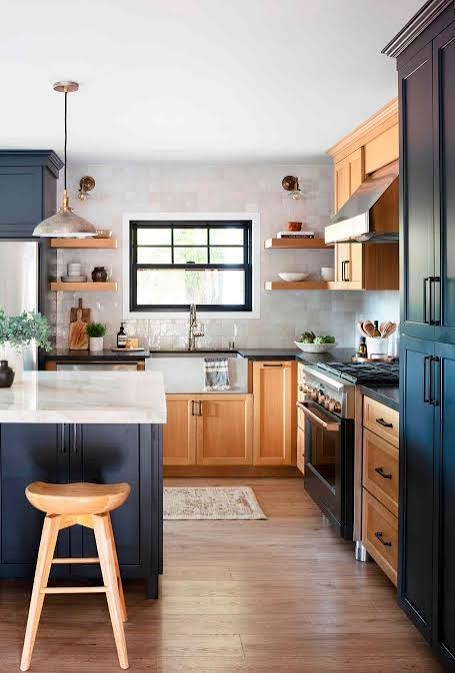
A kitchen can feel outdated or inefficient without requiring a complete, high-cost rebuild. Affordable kitchen remodeling focuses on making thoughtful changes that improve how the room looks, functions, and supports everyday routines. Instead of replacing everything, homeowners can prioritize the areas that create the biggest practical difference, such as storage, lighting, surfaces, hardware, and layout.
A successful project starts with kitchen renovation planning. Before choosing finishes or ordering materials, it helps to identify what is not working and decide which improvements matter most. This approach can turn an economical kitchen transformation into a useful long-term investment in comfort and convenience. The following guide explains how to plan an affordable kitchen redesign while keeping functionality, appearance, and budget in balance.
Start With a Clear Kitchen Renovation Plan
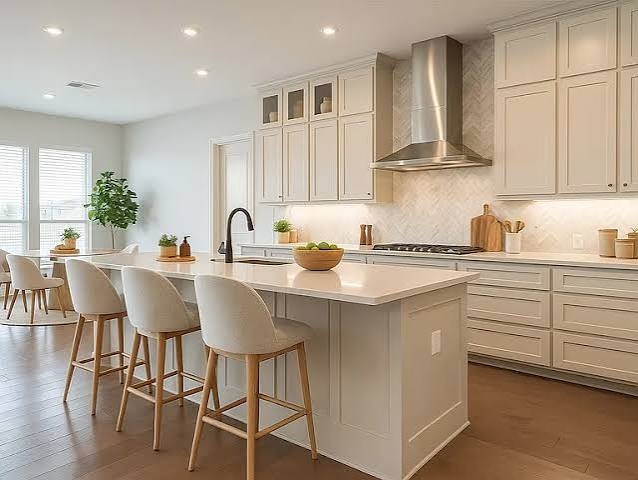
The first step in a budget-conscious kitchen upgrade is defining the project's purpose. A kitchen may need better storage, improved workflow, updated finishes, or a more comfortable place for cooking and gathering. Listing these needs prevents the project from becoming a collection of unrelated cosmetic changes.
Identify Your Biggest Kitchen Problems
Walk through the kitchen and note issues that affect everyday use. Cabinets may be difficult to organize, counters may lack usable workspace, lighting may be insufficient, or appliances may make movement awkward. These observations provide a practical starting point for a kitchen space transformation.
Separate essential improvements from optional ones. For example, repairing damaged cabinetry or improving poor lighting may be more important than changing decorative details. This simple prioritization helps direct available funds toward improvements that solve real problems.
Set Priorities Before Choosing Materials
A renovation budget can disappear quickly when selections are made without a clear order of importance. Establish a list of must-haves, useful upgrades, and purely aesthetic changes.
This makes it easier to adjust the project if material prices or unexpected repair needs affect the budget. It also supports a more controlled approach to affordable kitchen remodeling because every proposed change can be measured against a specific goal.
Focus on Kitchen Functionality Before Appearance
A practical kitchen renovation should make daily tasks easier. Attractive finishes matter, but a beautiful room can still be frustrating if storage, preparation space, and movement are poorly planned.
Improve Storage Without Rebuilding Everything
Storage is one of the most useful areas to address during a kitchen interior renovation. Instead of automatically replacing all cabinets, consider whether existing cabinet boxes can remain while hardware, doors, shelves, or interior organizers are improved.
Useful changes may include adjustable shelving, drawer organizers, pull-out storage, or better use of corners. These upgrades support home kitchen improvement and make frequently used items easier to access.
Make Better Use of Work Areas
Think about how food preparation, cooking, cleaning, and storage relate to one another. Frequently used tools and ingredients should be easy to reach, while less-used items can occupy higher or less accessible storage.
Even small changes in organization can support a kitchen functionality upgrade. Clearing unnecessary items from counters and creating dedicated storage zones can make the room feel more spacious without changing its footprint.
Choose Affordable Upgrades With Visible Impact
Not every improvement needs to involve construction. Some of the most noticeable changes come from carefully selected details.
Update Cabinet Hardware and Finishes
New cabinet pulls and knobs can change the visual character of a kitchen without replacing the entire cabinetry system. If cabinet surfaces are structurally sound, refinishing or repainting may also be worth considering, depending on the material and condition.
The goal is not simply to make cabinets look newer. A coordinated finish and functional hardware can help create a more unified kitchen interior renovation while controlling the scope of work.
Improve Lighting
Lighting affects both appearance and usability. A practical kitchen renovation may include brighter general lighting, task lighting near preparation areas, or under-cabinet lighting where appropriate.
Good lighting can make work surfaces easier to use and can highlight finishes without requiring major structural changes. Plan fixture locations carefully so that lighting supports actual activities rather than serving only as decoration.
Refresh Selective Surfaces
Replacing every surface is not always necessary. A budget-conscious kitchen upgrade can focus on one or two high-impact areas, such as a backsplash, countertop, sink, or faucet, while keeping compatible existing elements.
Selective updates can create a more cohesive appearance and leave more of the budget available for improvements that affect function.
Consider Layout Changes Carefully
Changing a kitchen layout can create a meaningful kitchen space transformation, but moving plumbing, electrical connections, walls, or major appliances can increase project complexity. For an affordable kitchen remodeling project, it is often useful to ask whether the current footprint can be improved before considering major relocation.
Work With the Existing Footprint
Keeping plumbing and major appliance locations in place may reduce the amount of construction involved. Within the existing footprint, improvements can still come from better storage, updated surfaces, revised lighting, and more efficient organization.
If the current layout creates a serious workflow problem, a larger change may be justified. The important point is to compare the practical benefit of the change with the additional work it requires.
Measure Before Ordering
Accurate measurements are essential. Record wall lengths, ceiling height, cabinet dimensions, appliance openings, door swings, and available clearance around work areas.
Careful measurements help prevent ordering mistakes and make kitchen renovation planning more reliable. They also make it easier to compare different design options before committing to materials.
Use a Phased Approach When the Budget Is Limited
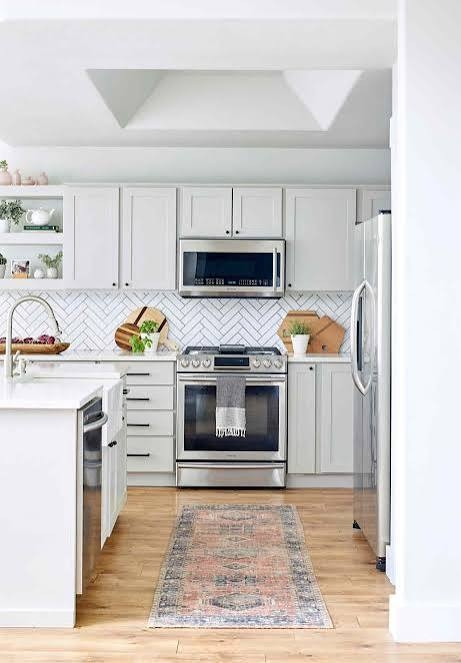
An economical kitchen transformation does not have to happen all at once. A phased project can divide improvements into manageable stages.
A homeowner might begin with repairs, storage improvements, lighting, and changes that solve everyday problems. Once the kitchen functions well, decorative updates such as cabinet finishes, hardware, backsplash materials, or selected surface replacements can follow.
Larger improvements can be considered later if funds and circumstances allow. This might include more extensive cabinetry work, layout changes, or other construction that was not essential to the first stage.
Common Mistakes to Avoid
Even a relatively small residential kitchen enhancement benefits from careful planning. Several mistakes can increase costs or reduce the usefulness of the finished space.
First, avoid beginning demolition before the scope is clearly defined. Once walls, cabinets, or surfaces are removed, additional work can quickly become necessary.
Second, do not choose materials based only on appearance. Consider how each item will perform in a busy kitchen and whether it suits the intended use.
Third, avoid ignoring storage. A visually attractive kitchen can still feel cluttered when cabinets and drawers do not accommodate everyday items.
Finally, do not spend the entire budget on finishes while leaving no room for repairs or unexpected project requirements. A reasonable contingency can provide flexibility when conditions change.
A Practical Checklist for Affordable Kitchen Remodeling
Before moving forward, review these questions:
-
What problems must the renovation solve?
-
Which improvements are essential, and which are optional?
-
Can the existing layout remain largely unchanged?
-
Which cabinets, fixtures, or surfaces can be reused?
-
Where would better storage make the biggest difference?
-
Does the lighting support food preparation and other tasks?
-
Have all measurements been checked before ordering?
-
Does the budget leave room for unexpected work?
-
Which improvements can be completed in phases?
Answering these questions can turn a broad remodeling idea into a manageable plan.
Frequently Asked Questions
What does affordable kitchen remodeling usually involve?
It can involve targeted improvements rather than a complete replacement of the kitchen. Common areas include storage, lighting, cabinet finishes, hardware, selected surfaces, and organization. The exact scope depends on the kitchen's condition and the homeowner's priorities.
How can I reduce the cost of a kitchen renovation?
Start by defining priorities and keeping useful existing elements where practical. Working with the current layout, updating selected surfaces, improving storage, and completing the project in phases can help control the overall scope.
Is changing the kitchen layout necessary?
Not always. A kitchen may become significantly more functional through better organization, storage, lighting, and surface updates. Layout changes may be appropriate when the existing arrangement creates a substantial workflow or space problem.
What should I prioritize in a budget-conscious kitchen upgrade?
Prioritize improvements that solve everyday problems. Storage, work areas, lighting, repairs, and efficient organization can provide practical value before decorative details are added.
How do I plan a kitchen space transformation?
Begin by assessing the existing kitchen, identifying problems, measuring the space, setting priorities, and establishing a realistic budget. Then compare options for function, appearance, durability, and maintenance before selecting materials.
Conclusion
Affordable kitchen remodeling is primarily about making deliberate choices. A successful project does not require replacing every element or pursuing the most expensive finishes. By starting with kitchen renovation planning, improving functionality, selecting high-impact updates, and considering a phased approach, homeowners can create a more useful and comfortable space while keeping the project's scope under control.
The strongest kitchen redesign is one that reflects how the room is actually used. Focus first on practical improvements, then add visual updates that support the overall design. With thoughtful planning, an economical kitchen transformation can improve storage, workflow, appearance, and everyday enjoyment without turning every possible upgrade into a necessity.

 English
 Arabic
 French
 Spanish
 Portuguese
 Deutsch
 Turkish
 Italiano
 Russian
 Romaian
 Portuguese (Brazil)
 Greek
Greek
