


Bilirubin Total Test: What You Should Know Before Taking the Test
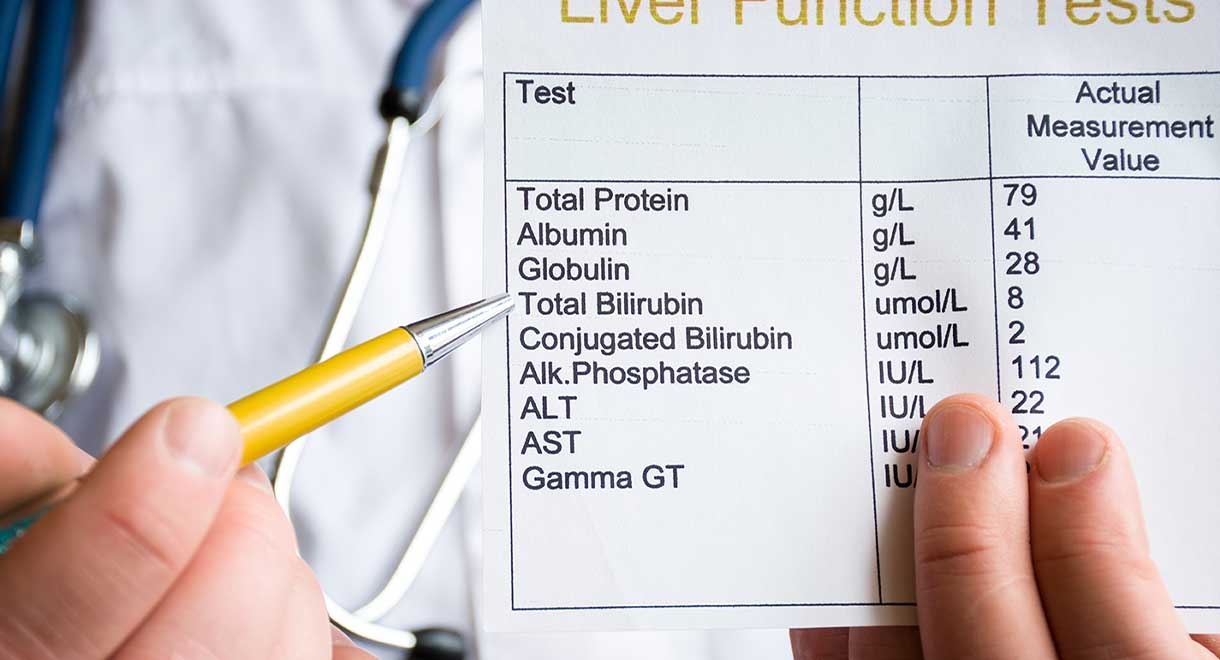
If your healthcare provider has recommended a Bilirubin Total Test, you may have questions before going to the laboratory. Do you need to fast? What does the test check? Why was it ordered? Can medications affect the result? And what should you expect when the blood sample is collected?
A Bilirubin Total Test in Dubai is a routine blood test that measures the amount of bilirubin in your bloodstream. Bilirubin is produced naturally when old red blood cells are broken down and is processed by the liver before being eliminated through bile.
Knowing what happens before, during, and after the test can make the process easier and help you understand why the result may be important.
Before the Appointment: Why Was the Bilirubin Test Ordered?
The reason for testing can influence how your healthcare provider interprets the result.
A bilirubin test may be recommended when there are signs or symptoms of a possible problem involving the liver, gallbladder, bile ducts, or red blood cells.
Common reasons include:
-
Yellowing of the skin or eyes
-
Dark urine
-
Pale or clay-colored stools
-
Abdominal discomfort
-
Unexplained fatigue
-
Abnormal liver blood tests
-
Suspected liver disease
-
Suspected bile duct or gallbladder problems
-
Evaluation of certain blood disorders
-
Monitoring an existing medical condition
Bilirubin testing may also be performed as part of a broader liver function test panel.
Understanding why the test was ordered can help you put the eventual result into the right clinical context.
What Does the Bilirubin Total Test Measure?
The test measures the total concentration of bilirubin in your blood.
Bilirubin is formed when aging red blood cells are broken down. The resulting bilirubin travels to the liver, where it is processed and prepared for elimination through bile.
There are two major forms to know:
Indirect Bilirubin
Indirect, or unconjugated, bilirubin is the form produced before liver processing.
Direct Bilirubin
Direct, or conjugated, bilirubin has been processed by the liver and is normally excreted through bile.
A total bilirubin result represents the overall bilirubin level. Your healthcare provider may also order direct and indirect bilirubin measurements when more detailed information is needed.
Do You Need to Fast Before a Bilirubin Test?
One of the most common questions is whether fasting is necessary.
A bilirubin test by itself does not always require fasting.
However, bilirubin may be ordered together with other blood tests that have different preparation requirements. For example, another test included in the same blood panel may require fasting.
The safest approach is to follow the instructions provided by your healthcare provider or laboratory.
Do not begin prolonged fasting simply because you are having a bilirubin test unless you have specifically been instructed to do so.
What Should You Tell Your Healthcare Provider Before Testing?
Certain details from your medical history can help with accurate interpretation.
Before the test, tell your healthcare provider about:
-
Prescription medications
-
Over-the-counter medicines
-
Vitamins and supplements
-
Existing liver conditions
-
Gallbladder or bile duct problems
-
Blood disorders
-
Previous abnormal bilirubin results
-
Recent illness
-
Previous laboratory testing
-
Any symptoms you are experiencing
Some medicines can affect liver function or bilirubin metabolism. Providing a complete medication history allows your healthcare professional to consider these factors when reviewing the result.
Do not stop prescribed medication unless your healthcare provider tells you to.
Can Food or Fasting Affect Bilirubin?
Bilirubin levels can fluctuate under certain circumstances.
In some people, especially those with Gilbert syndrome, fasting, dehydration, illness, or physical stress can contribute to temporary increases in unconjugated bilirubin.
This does not mean that eating before every bilirubin test will prevent an elevated result. Instead, it highlights why preparation instructions should come from your healthcare professional.
If you have been specifically instructed to fast, follow those instructions carefully.
What Happens During the Blood Test?
The actual procedure is usually straightforward.
A healthcare professional will:
-
Ask you to sit comfortably.
-
Clean an area of your arm.
-
Place a needle into a vein.
-
Collect a small amount of blood into a tube.
-
Remove the needle and apply pressure to the collection site.
The blood sample is then sent to a laboratory for analysis.
The collection itself generally takes only a few minutes.
Does the Bilirubin Blood Test Hurt?
Most people experience only brief discomfort when the needle enters the vein.
You may notice:
-
A quick pinch
-
Mild pressure
-
Temporary soreness
-
A small bruise afterward
Serious complications from a routine blood draw are uncommon.
If you tend to feel dizzy during blood collection, tell the healthcare professional beforehand so appropriate precautions can be taken.
What Happens to Your Sample in the Laboratory?
Once the blood sample reaches the laboratory, specialized equipment is used to measure bilirubin concentration.
Depending on the order, the laboratory may report:
-
Total bilirubin
-
Direct bilirubin
-
Indirect bilirubin
Your result is typically presented with a numerical value and a laboratory-specific reference range.
The reference range is important because testing methods and laboratory standards can differ.
What Is a Normal Bilirubin Level?
There is no single reference range that applies to every laboratory.
For many adults, total bilirubin is commonly reported at approximately 0.2 to 1.2 mg/dL, but your laboratory may use a different interval.
Always compare your result with the reference range printed on your report.
A result slightly above or below the reference interval does not automatically indicate disease. Healthcare professionals consider the result alongside your symptoms, medical history, and other laboratory findings.
What If Your Bilirubin Is High?
An elevated bilirubin result is called hyperbilirubinemia.
There are many possible causes.
A high level may be associated with:
-
Increased red blood cell breakdown
-
Liver inflammation or injury
-
Certain liver diseases
-
Bile duct obstruction
-
Gallbladder conditions
-
Certain medications
-
Inherited bilirubin-processing conditions
The pattern of bilirubin elevation is important.
For example, an increase in indirect bilirubin can occur when bilirubin production increases or processing is altered. An increase in direct bilirubin can occur when processed bilirubin cannot be properly eliminated.
A high result therefore needs interpretation rather than immediate conclusions.
What If Your Bilirubin Is Normal?
A bilirubin result within the laboratory's reference range generally means that the measured bilirubin concentration is not elevated at the time of testing.
However, a normal bilirubin level does not guarantee that every aspect of liver health is normal.
Other liver-related tests measure different processes. Depending on your symptoms and medical history, your healthcare provider may also evaluate ALT, AST, alkaline phosphatase, GGT, albumin, or other markers.
What If Your Result Is Low?
Low bilirubin is generally not considered a significant medical concern.
Unlike an elevated bilirubin result, a low value usually does not point toward a specific disease.
Your healthcare provider will consider the entire laboratory report rather than focusing on a low bilirubin value alone.
Why Might Direct and Indirect Bilirubin Be Tested?
A total bilirubin result tells you how much bilirubin is present overall, but direct and indirect measurements can provide additional information.
Doctors may compare the different forms when investigating:
-
Liver disorders
-
Bile flow problems
-
Hemolysis
-
Inherited bilirubin conditions
-
Jaundice
This distinction can help determine which part of the bilirubin pathway may be involved.
What Other Tests May Be Ordered With Bilirubin?
Bilirubin is often interpreted alongside other laboratory tests.
These may include:
ALT and AST
These enzymes can provide information about possible liver cell injury.
Alkaline Phosphatase
This test can help evaluate patterns associated with bile flow and certain liver or bone conditions.
GGT
Gamma-glutamyl transferase can provide additional information when a biliary or liver-related problem is suspected.
Albumin
Albumin is a protein produced by the liver and may be included in broader liver assessments.
Complete Blood Count
A complete blood count can provide information about red blood cells and may help when increased red blood cell breakdown is being considered.
The exact tests needed depend on the reason for evaluation.
Can You Exercise Before a Bilirubin Test?
Routine daily activity generally does not prevent bilirubin testing.
However, strenuous physical stress may influence some laboratory measurements in certain circumstances. If your healthcare provider has given specific preparation instructions, follow them.
There is usually no need to make major changes to your normal routine unless instructed otherwise.
What Should You Do After the Test?
Most people can return to normal activities immediately after a routine blood draw.
After collection:
-
Keep pressure on the puncture site as instructed.
-
Stay hydrated.
-
Eat normally unless you were told to continue fasting for another test.
-
Follow any additional instructions from your healthcare provider.
If you develop unusual or persistent bleeding, significant swelling, or severe discomfort at the collection site, contact a healthcare professional.
How Long Do Bilirubin Test Results Take?
Turnaround time varies depending on the laboratory, testing process, and whether additional tests are being performed.
Some routine bilirubin results may become available relatively quickly, while broader laboratory panels can take longer.
Your healthcare provider can explain when and how your results will be available.
When Should You Discuss the Result With Your Doctor?
You should review an abnormal bilirubin result with your healthcare provider, particularly if it is accompanied by symptoms.
Seek prompt medical evaluation for significant jaundice accompanied by symptoms such as severe abdominal pain, fever, confusion, persistent vomiting, or marked weakness.
Newborn jaundice also requires appropriate medical assessment because bilirubin levels in infants are interpreted differently from adult results.
Frequently Asked Questions:
Can I drink water before a bilirubin test?
If you have not been instructed to restrict fluids, drinking water is generally compatible with routine blood testing. If you are fasting for other tests, follow the specific instructions provided by your healthcare professional.
Can medication affect bilirubin results?
Some medications can affect bilirubin metabolism or liver function. Provide your healthcare provider with a complete list of medications and supplements.
Does a bilirubin test diagnose liver disease?
No. Bilirubin testing provides useful information but usually needs to be interpreted with other laboratory results, symptoms, medical history, and sometimes imaging.
Is a high bilirubin result always dangerous?
No. Mild elevations can occur with relatively benign conditions such as Gilbert syndrome. However, significant or persistent elevations should be evaluated to determine the cause.
Can bilirubin levels change after the test?
Yes. Bilirubin can fluctuate depending on factors such as illness, fasting, dehydration, and certain underlying conditions. A single result represents your level at the time the sample was collected.
Final Checklist Before Your Bilirubin Test:
Before going to the laboratory, make sure you know:
-
Why the test was ordered
-
Whether fasting is required
-
Which other tests are being performed
-
Which medications and supplements you take
-
Whether you have previous bilirubin results
-
Whether you have experienced jaundice or other symptoms
-
How and when you will receive the report
Being prepared can make the testing process simpler and help your healthcare provider interpret the result more accurately.
Final Takeaway:
The Bilirubin Total Lab tests is a simple blood test that measures the overall amount of bilirubin in your bloodstream. It can provide important information when evaluating jaundice, liver conditions, bile flow problems, and certain blood-related disorders.
You usually do not need special preparation for bilirubin testing alone, but instructions can change when it is performed with other laboratory tests. Your medications, medical history, symptoms, and previous results may also be relevant.
Most importantly, do not interpret the bilirubin number by itself. The laboratory reference range and the broader clinical picture determine what the result means and whether additional testing is necessary.

 Arabic
 French
 Spanish
 Portuguese
 Deutsch
 Turkish
 Dutch
 Italiano
 Russian
 Romaian
 Portuguese (Brazil)
 Greek
