


Bilirubin Total Test: Understanding Jaundice and Bilirubin Levels
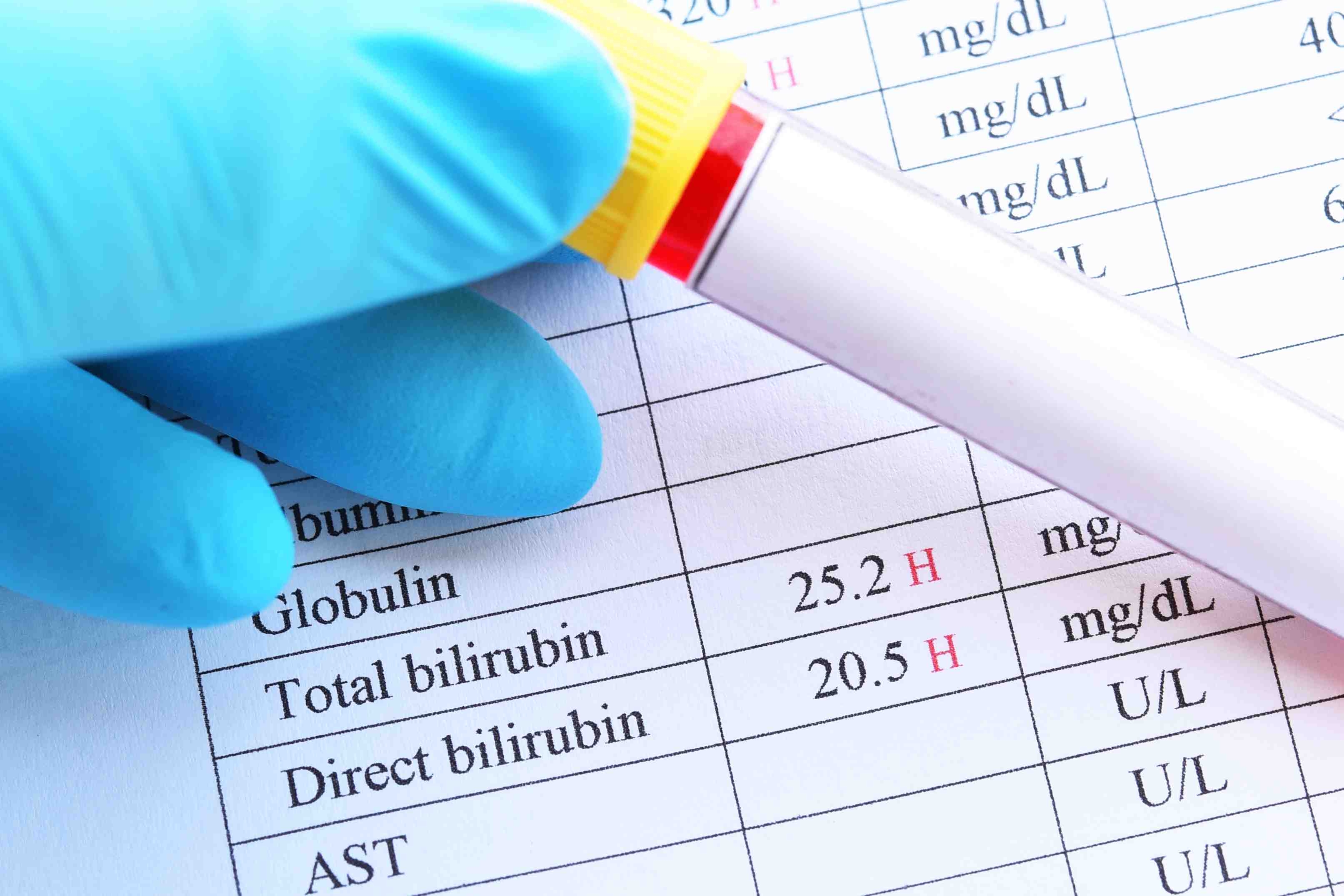
Seeing yellow skin or yellowing of the whites of the eyes can be alarming. This change, known as jaundice, often occurs when bilirubin builds up in the blood. A Bilirubin Total Test in Dubai is one of the common blood tests doctors use to measure bilirubin levels and investigate why they may be elevated.
Bilirubin is produced naturally when the body breaks down old red blood cells. The liver processes bilirubin and helps remove it from the body through bile. When production increases, liver processing is affected, or bile cannot flow normally, bilirubin may accumulate and cause visible jaundice.
Understanding what the bilirubin blood test measures can make an abnormal result easier to interpret. A high bilirubin level does not automatically mean that the liver is damaged, and the result usually needs to be considered alongside other blood tests, symptoms, medical history, and sometimes imaging.
What Is Bilirubin?
Bilirubin is a yellow-orange substance formed mainly during the normal breakdown of aging red blood cells. After it is produced, bilirubin travels through the bloodstream to the liver.
At first, bilirubin is in an unconjugated form, also called indirect bilirubin. The liver then processes it into conjugated bilirubin, also known as direct bilirubin. This processed bilirubin is released into bile and eventually leaves the body through the digestive system.
This process can be summarized as:
Old red blood cells → bilirubin production → liver processing → bile excretion
Problems at any stage can contribute to an elevated bilirubin level.
What Does a Bilirubin Total Test Measure?
A bilirubin total test measures the overall amount of bilirubin in a blood sample. Total bilirubin generally represents the combination of direct and indirect bilirubin.
Doctors may order total bilirubin testing when evaluating:
-
Yellowing of the skin or eyes
-
Abnormal liver blood tests
-
Suspected liver inflammation or injury
-
Possible bile duct obstruction
-
Gallbladder or biliary problems
-
Increased breakdown of red blood cells
-
Certain inherited bilirubin-processing conditions
-
Unexplained changes in urine or stool color
The test can provide an important clue about how bilirubin is being produced, processed, or eliminated.
Why Does High Bilirubin Cause Jaundice?
Jaundice develops when bilirubin accumulates in the body at a level that becomes visible in tissues. The whites of the eyes may become yellow, and the skin can also develop a yellowish appearance.
However, jaundice is a symptom or physical finding, not a diagnosis.
Several different conditions can produce jaundice. For example, bilirubin may rise because red blood cells are being broken down more rapidly than usual, because the liver is having difficulty processing bilirubin, or because bile flow is impaired.
That is why a bilirubin test is useful: it helps healthcare professionals investigate the possible source of the bilirubin buildup.
Total, Direct, and Indirect Bilirubin: What Is the Difference?
Your laboratory report may show more than one bilirubin measurement.
Total bilirubin reflects the overall bilirubin concentration.
Direct bilirubin mainly represents conjugated bilirubin that has already been processed by the liver.
Indirect bilirubin generally refers to unconjugated bilirubin that has not yet undergone the liver's conjugation process.
The pattern can sometimes provide clues about the underlying cause. For example, a predominantly indirect bilirubin elevation can occur with increased red blood cell breakdown or conditions affecting bilirubin processing, while a higher direct bilirubin may occur when bilirubin has been processed but its movement through the liver or bile ducts is impaired.
These results are not interpreted in isolation. The pattern of liver enzymes, symptoms, and other laboratory findings also matters.
What Is a Normal Bilirubin Level?
For many adults, a commonly used total bilirubin reference range is approximately 0.2 to 1.2 mg/dL. However, the exact reference interval varies between laboratories and can depend on the testing method and patient population.
For this reason, your laboratory report's reference range should be used when interpreting your result.
A result slightly above the laboratory's upper limit does not necessarily mean there is serious liver disease. Mild bilirubin elevations can occur for several reasons, including temporary changes in hydration or food intake and certain inherited conditions.
What Can Cause High Bilirubin Levels?
An elevated bilirubin level, also called hyperbilirubinemia, has many possible causes. Doctors generally consider the bilirubin pathway when deciding what to investigate next.
Increased Red Blood Cell Breakdown:
If red blood cells are being destroyed faster than normal, the body may produce more bilirubin than the liver can process efficiently. This can contribute to an increase in indirect bilirubin.
A complete blood count and other blood tests may be considered when hemolysis is suspected.
Liver Inflammation or Injury:
Conditions affecting liver cells can interfere with bilirubin processing or excretion. Liver inflammation, certain infections, medication-related effects, and other liver disorders may be associated with abnormal bilirubin results.
Other liver blood tests, such as ALT and AST, can help identify patterns suggesting liver cell injury.
Problems With Bile Flow:
Bilirubin that has already been processed by the liver must move through bile ducts before being eliminated. If bile flow is reduced or blocked, direct bilirubin can rise.
Gallbladder conditions, bile duct problems, and other causes of cholestasis may be considered when bilirubin elevation occurs with abnormalities in alkaline phosphatase or GGT.
Gilbert Syndrome:
Gilbert syndrome is a common inherited condition in which the liver processes bilirubin less efficiently. It typically causes mild, intermittent increases in unconjugated bilirubin without significant liver damage.
Bilirubin may fluctuate during periods of fasting, dehydration, illness, or physical stress. Many people with Gilbert syndrome have no significant symptoms other than occasional mild jaundice.
Can Bilirubin Be High Without Liver Damage?
Yes. An elevated bilirubin result does not automatically indicate liver damage.
For example, Gilbert syndrome can cause an increased bilirubin level even when other liver tests are normal. Increased red blood cell breakdown can also raise bilirubin without being caused by primary liver disease.
This is why doctors commonly look at the complete liver panel, medical history, symptoms, and bilirubin fractions rather than using total bilirubin as a standalone diagnosis.
What Other Tests May Be Checked With Bilirubin?
Bilirubin is often interpreted alongside several other tests.
ALT and AST can provide information about liver cell injury.
Alkaline phosphatase and GGT can help evaluate patterns associated with bile flow and the biliary system.
Albumin is a protein made by the liver and may provide information about certain aspects of liver function.
A complete blood count may be useful when increased red blood cell destruction or anemia is suspected.
Depending on the findings, healthcare professionals may also consider additional blood tests or abdominal imaging such as an ultrasound.
What Symptoms Can Occur With Elevated Bilirubin?
Some people have an abnormal bilirubin result without noticeable symptoms. Others may develop signs related to the underlying condition.
Possible symptoms include:
-
Yellow skin or eyes
-
Dark-colored urine
-
Pale or clay-colored stools
-
Itchy skin
-
Abdominal discomfort
-
Nausea or vomiting
-
Fatigue
-
Reduced appetite
-
Fever in some conditions
Dark urine or pale stools can be particularly relevant when doctors are assessing whether bilirubin processing or bile flow may be affected.
Can Bilirubin Levels Change Over Time?
Yes. Bilirubin is not necessarily a fixed number.
Levels can change because of illness, hydration status, fasting, physical stress, medications, or underlying medical conditions. Some people may therefore have a mildly elevated bilirubin result on one occasion and a lower result later.
Looking at previous laboratory results can help healthcare professionals determine whether an abnormal bilirubin level is new, persistent, or intermittent.
How Is the Bilirubin Blood Test Performed?
A bilirubin total test usually requires a routine blood sample from a vein in the arm. The process generally takes only a few minutes.
Fasting is not always necessary when bilirubin is the only test being performed. However, other blood tests ordered at the same time may require fasting. Always follow the specific instructions provided by your healthcare professional or laboratory.
Tell your healthcare team about medications and supplements you take. Do not stop prescribed medication simply because you are having a bilirubin test unless your healthcare professional tells you to do so.
When Should an Abnormal Bilirubin Result Be Discussed?
An abnormal result should be interpreted in context rather than viewed as a diagnosis by itself. Your healthcare professional may consider the bilirubin level, direct and indirect fractions, other liver tests, symptoms, medical history, and previous results.
Prompt medical assessment is particularly important when jaundice appears unexpectedly or is accompanied by severe abdominal pain, fever, persistent vomiting, confusion, marked weakness, or rapidly worsening symptoms.
Newborns require special consideration because bilirubin levels in infants are interpreted differently from adult results. Neonatal jaundice should be assessed according to the baby's age and other clinical factors.
Frequently Asked Questions About the Bilirubin Total Test:
Is a high bilirubin level always a sign of liver disease?
No. High bilirubin can result from several causes, including increased red blood cell breakdown, inherited conditions such as Gilbert syndrome, liver problems, or impaired bile flow.
What bilirubin level causes jaundice?
The level at which jaundice becomes visible can vary between individuals and depends on several factors. Laboratory results should therefore be interpreted together with the physical examination and clinical context.
Is low bilirubin dangerous?
Low bilirubin is generally not considered a significant health concern and usually does not point to a specific disease.
Can dehydration increase bilirubin?
Dehydration can contribute to temporary changes in bilirubin, particularly in people whose bilirubin levels are already prone to fluctuate. Adequate hydration and proper interpretation of repeat testing may be relevant.
Does bilirubin testing diagnose liver disease?
No. Bilirubin testing provides useful information but cannot independently diagnose every liver condition. Other liver enzymes, blood tests, symptoms, medical history, and imaging may be needed.
The Key Takeaway:
The bilirubin total Lab tests is a useful blood test for understanding how bilirubin is being produced, processed, and eliminated. It is especially important when someone develops jaundice or when other laboratory results suggest a possible liver or biliary problem.
A high bilirubin result can have many explanations, ranging from temporary or inherited bilirubin-processing differences to conditions affecting red blood cells, liver cells, or bile flow. The most meaningful interpretation comes from looking at total, direct, and indirect bilirubin together with other liver function tests and the person's symptoms.
Most importantly, an abnormal bilirubin result is a finding, not a diagnosis. If your bilirubin is elevated, discussing the result with a healthcare professional can help determine whether further testing or monitoring is appropriate.

 English
 Arabic
 French
 Spanish
 Deutsch
 Turkish
 Dutch
Dutch
 Italiano
 Russian
 Romaian
 Portuguese (Brazil)
 Greek
Greek
