


Creatinine Clearance Test for Chronic Kidney Disease: Understanding Its Role
Chronic kidney disease, or CKD, is a long-term condition in which the kidneys have persistent abnormalities in their structure or function. Because kidney disease can progress without obvious symptoms, laboratory testing plays an important role in detecting and monitoring changes in renal function.
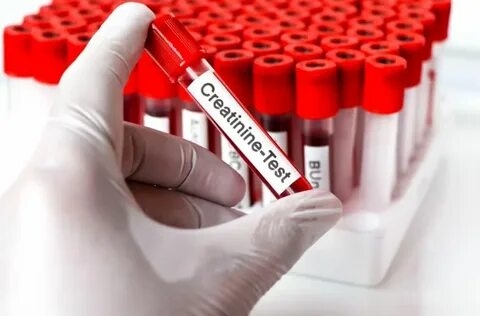
The Creatinine Clearance Test in Dubai is one of the tests that can provide information about kidney filtration. It uses creatinine measurements from both blood and urine, usually collected over a defined period, to estimate how efficiently the kidneys clear creatinine.
But where does this test fit into the evaluation of chronic kidney disease? Is it used to diagnose CKD? How does it compare with eGFR? And what can make the result difficult to interpret?
Understanding its role can help make kidney function testing less confusing.
Where Creatinine Clearance Fits in CKD Evaluation?
Kidney disease assessment is broader than one laboratory number.
When doctors evaluate possible CKD, they may look for two main types of information:
-
How well the kidneys are filtering blood
-
Whether there is evidence of kidney damage
Creatinine clearance primarily provides information related to filtration.
Other tests, such as urine albumin testing, can provide evidence about kidney damage.
This distinction is important because a person can have evidence of kidney damage even when filtration has not fallen substantially.
For that reason, creatinine clearance is best understood as one piece of a larger kidney health assessment.
First, What Is Creatinine Clearance?
Creatinine is a waste product generated through normal muscle metabolism. It circulates in the blood and is normally removed by the kidneys.
A creatinine clearance test estimates how efficiently creatinine is removed from the bloodstream.
The calculation generally uses:
-
Serum creatinine
-
Urine creatinine
-
Urine volume
-
Duration of urine collection
A common approach involves a 24-hour urine collection, although testing protocols can vary.
The resulting value is an estimate of creatinine clearance and is commonly reported in mL/min.
Why Creatinine Is Useful in Kidney Testing?
Creatinine is useful because kidney filtration affects how much of it remains in the bloodstream and how much is excreted in urine.
However, creatinine is not produced at exactly the same rate by every person.
Muscle mass, age, diet, physical activity, and other factors can influence creatinine levels.
This means that creatinine clearance provides useful information, but its result needs individual interpretation.
It is not a direct measurement of the kidneys' true filtration rate.
How a Creatinine Clearance Test Is Performed?
The test generally requires two types of samples.
Blood Sample
A blood sample is collected to measure serum creatinine.
This provides the blood concentration used in the clearance calculation.
Timed Urine Sample
Urine is collected over a specific period, commonly 24 hours.
The laboratory measures urine creatinine and total urine volume.
These measurements are combined with the serum creatinine concentration to estimate creatinine clearance.
The accuracy of the test depends heavily on collecting the urine correctly.
The 24-Hour Collection Is a Critical Part of the Test:
A timed urine collection sounds simple, but it requires careful attention.
The collection must begin and end at the specified times, and every required urine sample generally needs to be saved according to laboratory instructions.
Missing a sample can change the total urine volume and the amount of creatinine measured.
If part of the collection is accidentally discarded, tell the laboratory or healthcare professional. Depending on the circumstances, the collection may need to be repeated.
What Does Creatinine Clearance Tell You About CKD?
A reduced creatinine clearance can suggest reduced kidney filtration.
In someone being evaluated for chronic kidney disease, this may provide useful information about renal function.
However, a low creatinine clearance result alone does not diagnose CKD.
The diagnosis of chronic kidney disease depends on persistent abnormalities in kidney structure or function or other evidence of kidney damage.
A single abnormal test can be influenced by temporary changes, collection problems, hydration, illness, and other factors.
This is why doctors often look at kidney function over time.
Creatinine Clearance and eGFR: Two Different Approaches
One of the most important concepts in CKD testing is the difference between creatinine clearance and estimated glomerular filtration rate, or eGFR.
eGFR is generally calculated from blood creatinine using a validated equation and does not usually require a timed urine collection.
Creatinine clearance combines serum creatinine with timed urine creatinine and urine volume.
Both are related to kidney filtration, but they are not interchangeable.
For routine assessment and monitoring of CKD, eGFR is widely used. Creatinine clearance may be useful in selected situations where information from a timed urine collection is clinically relevant.
Why eGFR Is Commonly Used for CKD Assessment?
One practical advantage of eGFR is that it avoids the challenges associated with collecting urine for an entire day.
A 24-hour collection can be inconvenient, and missing even one sample can affect the calculation.
eGFR uses information from a blood sample and a validated equation to estimate filtration.
This makes it practical for routine kidney function assessment.
That does not mean creatinine clearance has no value. Rather, each test has a different role depending on the clinical question.
What About Urine Albumin?
Kidney filtration is only one part of CKD evaluation.
Urine albumin can provide evidence of kidney damage. A urine albumin-to-creatinine ratio, often called ACR, is commonly used to assess albumin in urine.
This is important because kidney damage may be present even when filtration remains relatively preserved.
Therefore, a complete CKD evaluation may involve both filtration markers and urine markers.
Depending on the situation, healthcare professionals may also use urinalysis, blood pressure measurements, imaging, medical history, and other laboratory tests.
When Creatinine Clearance May Provide Additional Information?
Creatinine clearance may be considered when a clinician wants additional information about renal filtration beyond routine blood-based assessment.
It may be useful in selected clinical situations where the relationship between blood creatinine and urinary creatinine is relevant.
The decision depends on the patient's characteristics, medical history, and the question the clinician is trying to answer.
It should not be assumed that every person with CKD needs a creatinine clearance test.
Factors That Can Complicate Interpretation:
Several factors can influence creatinine clearance results.
Muscle Mass
Creatinine production is related to muscle metabolism. Differences in muscle mass can affect both blood and urine creatinine.
Age
Age is relevant when assessing kidney function because both filtration and body composition can change over time.
Diet
Dietary factors can influence creatinine levels in some circumstances.
Physical Activity
Strenuous exercise may affect creatinine levels temporarily.
Hydration
Fluid balance can influence urine output and the interpretation of timed urine measurements.
Medications
Certain medications can affect kidney function or creatinine handling. A complete medication history helps with proper interpretation.
Collection Errors
Missing urine, incorrect timing, or improper specimen handling can affect the reliability of a 24-hour urine result.
Can Creatinine Clearance Monitor CKD Progression?
Creatinine clearance can provide information about filtration, but CKD monitoring usually relies on a broader set of measurements.
Healthcare professionals often pay particular attention to changes in eGFR, urine albumin, blood pressure, and other clinical findings over time.
If creatinine clearance is performed repeatedly, trends may be considered, but the results must be interpreted consistently and in context.
A single measurement rarely tells the complete story of how kidney disease is changing.
What Does a Low Result Mean in CKD?
A low creatinine clearance may indicate reduced filtration, which can occur in CKD.
However, the result needs to be evaluated alongside the patient's previous kidney function, current health, urine findings, and collection quality.
A temporary decline in kidney function is not necessarily the same as chronic kidney disease progression.
This distinction is particularly important when interpreting an unexpected change.
Is a High Creatinine Clearance Always Good?
No.
A high creatinine clearance does not automatically mean that kidney function is better than normal.
Some conditions can cause increased filtration, sometimes described as hyperfiltration.
The clinical significance depends on the broader health picture.
Therefore, both unusually low and unusually high results should be interpreted rather than automatically classified as “bad” or “good.”
Why One Test Cannot Tell the Whole CKD Story?
CKD is a complex condition.
A person may have:
-
Reduced filtration
-
Evidence of kidney damage
-
Abnormal urine albumin
-
Blood pressure changes
-
Structural kidney abnormalities
-
Stable kidney function
-
Progressive kidney function decline
These findings do not always occur together.
That is why healthcare professionals use multiple sources of information when evaluating chronic kidney disease.
Creatinine clearance contributes information about filtration, but it does not replace the rest of the assessment.
How to Prepare for a Creatinine Clearance Test?
If your healthcare professional orders a timed urine collection, follow the laboratory's instructions carefully.
Make sure you understand:
-
When the collection begins
-
Whether the first urine is collected or discarded
-
How each urine sample should be stored
-
When the collection ends
-
When the blood sample will be taken
-
Whether special instructions apply to food, fluids, exercise, or medications
Do not intentionally change your medication, fluid intake, or diet unless instructed by your healthcare professional.
Questions to Ask About Your CKD Test Results:
After receiving your results, useful questions include:
-
What does my creatinine clearance indicate about kidney filtration?
-
How does it compare with my eGFR?
-
Was my urine collection complete?
-
What does my urine albumin result show?
-
Has my kidney function changed compared with previous tests?
-
Could any medication or health condition affect the result?
-
Do I need repeat testing?
These questions can help put the laboratory numbers into context.
Frequently Asked Questions:
Is creatinine clearance used to diagnose chronic kidney disease?
It can provide information about kidney filtration, but it does not diagnose CKD by itself. CKD requires evidence of persistent kidney abnormalities or other evidence of kidney damage.
Is creatinine clearance the same as eGFR?
No. Creatinine clearance uses blood and timed urine measurements, while eGFR is generally calculated from blood creatinine using a validated equation.
Does everyone with CKD need a creatinine clearance test?
No. The appropriate tests depend on the individual's clinical situation. eGFR and urine albumin testing are commonly important components of CKD assessment.
Can a normal creatinine clearance rule out CKD?
No. Kidney damage can exist even when filtration is relatively preserved. Urine albumin and other tests can provide additional information.
What happens if I miss part of my 24-hour urine collection?
Tell the laboratory or healthcare professional. An incomplete collection can affect the result and may mean that the test needs to be repeated.
Final Takeaway:
The creatinine clearance Lab tests has a specific but limited role in chronic kidney disease evaluation. It estimates kidney filtration by combining serum creatinine with creatinine measured in a timed urine collection, often over 24 hours.
A low result may suggest reduced filtration, but it does not automatically establish CKD or prove that kidney function has permanently declined. Collection accuracy, muscle mass, age, diet, hydration, physical activity, medications, and temporary illness can all influence the result.
For a complete understanding of kidney health, creatinine clearance should be considered alongside eGFR, serum creatinine, urine albumin, urine albumin-to-creatinine ratio, urinalysis, blood pressure, medical history, and previous kidney function results.
If your doctor has ordered this test, the most important step is to follow the collection instructions carefully and discuss the final result in the context of your overall kidney health. A single number is useful, but the pattern across multiple tests and over time often provides a much clearer picture.

 English
 Arabic
 French
 Spanish
 Portuguese
 Turkish
 Dutch
Dutch
 Italiano
 Russian
 Romaian
 Portuguese (Brazil)
 Greek
Greek
