


Blood Urea Nitrogen Test and Dehydration: Is There a Connection?
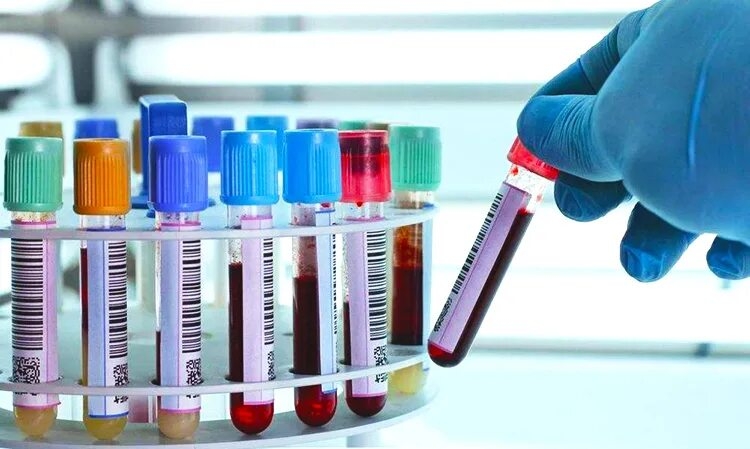
A Blood Urea Nitrogen (BUN) test is commonly used to evaluate kidney function and understand how the body is handling urea. When BUN levels are higher than expected, many people immediately worry about kidney disease.
But there is another common explanation: dehydration.
Not drinking enough fluids or losing too much fluid can affect blood volume, kidney blood flow, and the concentration of substances in the bloodstream. As a result, dehydration can cause Blood Urea Nitrogen (BUN) Test in Dubai levels to rise, sometimes even when the kidneys themselves are functioning relatively normally.
Understanding the relationship between BUN and dehydration can help you make better sense of an abnormal blood test and understand why doctors consider several laboratory results together.
Why Does Dehydration Affect BUN?
To understand the connection, it helps to follow what happens to urea inside the body.
Your body produces urea mainly in the liver when it breaks down protein. Urea then enters the bloodstream and travels to the kidneys. The kidneys filter blood and remove urea through urine.
When the body becomes dehydrated, the amount of fluid circulating in the bloodstream decreases. The kidneys respond by conserving water, which can also change how urea is handled.
As a result, more urea may remain in the bloodstream and the measured blood urea nitrogen level can increase.
This means a high BUN does not automatically indicate permanent kidney damage.
What Happens to the Kidneys During Dehydration?
The kidneys constantly adjust how much water the body loses through urine.
When fluid levels fall, the body attempts to conserve water. The kidneys produce less urine and make it more concentrated. This response is normal and helps maintain fluid balance.
However, significant dehydration can reduce blood flow reaching the kidneys. If blood flow becomes substantially reduced, kidney filtration can temporarily decrease.
This can contribute to changes in both BUN and serum creatinine.
Mild dehydration may produce a temporary laboratory change, while severe or prolonged dehydration can become medically serious and may contribute to acute kidney injury.
Common Situations That Can Cause Dehydration
Dehydration is not limited to simply forgetting to drink water. Fluid loss can occur in many circumstances.
Common causes include:
-
Vomiting
-
Diarrhea
-
Fever
-
Heavy sweating
-
Prolonged physical activity
-
Hot weather
-
Not drinking enough fluids
-
Significant blood loss
-
Certain illnesses
-
Some medications that increase fluid loss
The greater the fluid loss, the more likely it is that hydration status will influence laboratory results.
How High Can BUN Rise From Dehydration?
There is no single BUN value that proves dehydration.
The amount of change depends on the severity of fluid loss, kidney function, diet, medications, protein intake, age, and other health factors.
For this reason, doctors do not diagnose dehydration simply because BUN is elevated.
Instead, they look for a pattern involving the patient's symptoms, physical condition, BUN, creatinine, electrolytes, urine findings, blood pressure, and other clinical information.
The BUN-to-creatinine ratio may also provide additional context in some situations.
BUN and Creatinine: Why the Comparison Matters
BUN and creatinine are both waste products measured through blood testing, but they behave differently.
BUN can be influenced by:
-
Hydration
-
Protein intake
-
Protein breakdown
-
Gastrointestinal bleeding
-
Liver function
-
Kidney filtration
Creatinine is more closely associated with muscle metabolism and kidney filtration.
When dehydration affects kidney blood flow, both BUN and creatinine may increase. However, BUN can sometimes rise more noticeably than creatinine.
This pattern may contribute to a higher BUN-to-creatinine ratio, which can support dehydration or other causes of increased urea production as a possible explanation.
However, the ratio should never be interpreted on its own. It is a clinical clue rather than a definitive diagnosis.
How Can Doctors Tell Dehydration From Kidney Disease?
This is one of the most important questions when interpreting a high BUN.
Doctors usually look at the complete kidney function picture.
1. Recent fluid loss
A history of vomiting, diarrhea, fever, heavy sweating, or poor fluid intake can point toward dehydration.
2. Physical signs
Depending on severity, dehydration may cause thirst, dry mouth, dizziness, weakness, reduced urination, or concentrated urine.
More serious dehydration can cause confusion, very low blood pressure, rapid heart rate, or other concerning symptoms.
3. Creatinine level
If BUN is elevated, doctors commonly check serum creatinine to determine whether kidney filtration may also be affected.
4. eGFR
The estimated glomerular filtration rate (eGFR) helps estimate kidney filtering ability. A change in eGFR may provide additional information about renal function.
5. Previous laboratory results
Comparing current results with older tests can help determine whether an abnormality is new or persistent.
6. Response to treatment
When dehydration is the likely cause, correcting the fluid imbalance may allow BUN and other laboratory abnormalities to move back toward the individual's usual levels.
The appropriate approach depends on the patient's health and the severity of dehydration. Severe dehydration should not be managed solely by trying to drink large amounts of fluid without medical guidance.
Can Dehydration Cause Acute Kidney Injury?
Yes.
Severe dehydration can reduce blood flow to the kidneys enough to impair kidney function. This type of problem can contribute to acute kidney injury (AKI).
AKI is different from chronic kidney disease because kidney function can decline relatively quickly and may improve when the underlying cause is treated.
However, acute kidney injury can be serious, particularly in older adults, people with existing kidney disease, or individuals with other significant health conditions.
A high BUN combined with rising creatinine, reduced urine output, or significant symptoms should therefore receive appropriate medical attention.
Dehydration vs Chronic Kidney Disease:
Dehydration and chronic kidney disease can both be associated with abnormal BUN levels, but they are not the same condition.
Dehydration is often temporary and may improve when the underlying fluid loss is corrected.
Chronic kidney disease (CKD) involves persistent kidney abnormalities or reduced kidney function over time.
A single high BUN cannot diagnose CKD.
When chronic kidney disease is suspected, healthcare professionals may evaluate:
-
eGFR
-
Serum creatinine
-
Urinalysis
-
Urine albumin
-
Urine albumin-to-creatinine ratio
-
Blood pressure
-
Medical history
-
Previous kidney function results
These measurements help determine whether there is evidence of ongoing kidney damage or impaired filtration.
Can Drinking Water Lower BUN?
If dehydration is contributing to an elevated BUN, correcting the underlying fluid deficit may help bring the result closer to the person's usual level.
However, drinking water is not a universal treatment for high BUN.
If BUN is elevated because of reduced kidney function, gastrointestinal bleeding, severe illness, medication effects, or another medical condition, simply increasing water intake may not correct the underlying problem.
People with heart failure, advanced kidney disease, or certain other medical conditions may also have individualized fluid restrictions.
Therefore, fluid intake should be appropriate for the person's health situation.
What Symptoms Suggest Dehydration?
Mild to moderate dehydration may cause:
-
Increased thirst
-
Dry mouth
-
Fatigue
-
Dizziness
-
Headache
-
Darker urine
-
Reduced urination
-
Weakness
More severe dehydration can cause serious symptoms such as confusion, fainting, very low urine output, severe weakness, or significant changes in blood pressure.
If dehydration is severe or symptoms are rapidly worsening, prompt medical evaluation is important.
What Should You Do If Your BUN Is High?
If a blood test shows elevated BUN, consider the result in context rather than assuming it means kidney disease.
Your healthcare professional may review:
Your recent fluid intake: Have you been drinking less than usual?
Fluid losses: Have you had vomiting, diarrhea, fever, heavy sweating, or another cause of fluid loss?
Your diet: Has your protein intake recently changed?
Other laboratory results: What are your creatinine and eGFR levels?
Urine findings: Is there protein, blood, or another abnormality?
Medications: Could any medicine be affecting fluid balance or kidney function?
Previous results: Is the BUN consistently elevated or is this a new change?
This approach can help identify whether dehydration is a likely contributor or whether additional evaluation is needed.
When Should High BUN Be Evaluated Promptly?
An elevated BUN should receive particular attention when it occurs with symptoms suggesting significant dehydration or impaired kidney function.
Seek prompt medical evaluation if there is markedly reduced urine output, severe dizziness or fainting, confusion, persistent vomiting, severe weakness, significant swelling, severe shortness of breath, or rapidly worsening health.
These symptoms can have multiple causes, but they should not be ignored.
Frequently Asked Questions:
Can dehydration cause high BUN?
Yes. Dehydration can increase BUN because fluid loss changes blood concentration and kidney handling of urea. Significant dehydration can also reduce blood flow to the kidneys.
Does high BUN always mean kidney disease?
No. Dehydration, high protein intake, increased protein breakdown, gastrointestinal bleeding, medications, and other conditions can increase BUN.
Is BUN more affected by dehydration than creatinine?
BUN can be particularly sensitive to hydration and other non-kidney factors. Creatinine is also affected by kidney filtration but has different physiological influences.
Can BUN return to normal after dehydration?
Yes. If dehydration is responsible for the elevated result and kidney function is otherwise stable, BUN may return toward the person's usual level after the underlying fluid imbalance is corrected.
Should I drink more water if my BUN is high?
Not automatically. If dehydration is the cause, appropriate fluid replacement may help. However, some medical conditions require fluid restrictions, so discuss significant changes in fluid intake with your healthcare professional.
Final Takeaway:
There is a clear connection between dehydration and BUN levels. Losing too much fluid can increase blood urea nitrogen and may temporarily affect kidney filtration. This means that a high BUN Lab tests does not automatically indicate chronic kidney disease.
Doctors distinguish dehydration from other causes by considering BUN alongside serum creatinine, eGFR, the BUN-to-creatinine ratio, urine tests, symptoms, hydration status, medical history, and previous laboratory results.
If your BUN is elevated, the most important step is to understand why it is high. Sometimes the explanation is temporary dehydration. In other cases, the result may point toward kidney dysfunction or another underlying condition that requires further evaluation.
A BUN test is therefore best viewed as one useful clue in the broader assessment of kidney health and overall well-being.

 English
 Arabic
 French
 Spanish
 Portuguese
 Deutsch
 Turkish
 Dutch
Dutch
 Italiano
 Russian
 Romaian
 Portuguese (Brazil)
