


Why Do Doctors Recommend a C-Reactive Protein Blood Test?
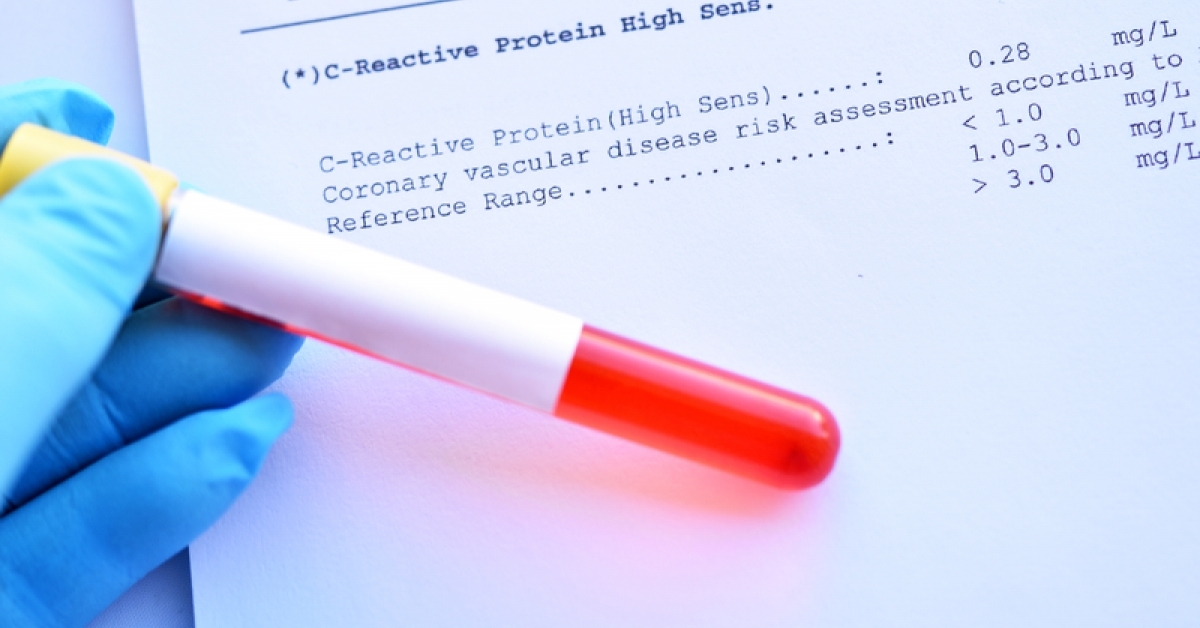
Inflammation is the body's natural defense mechanism against infections, injuries, and other health challenges. It helps the immune system protect tissues and support healing. However, when inflammation becomes excessive or continues for an extended period, it may indicate an underlying medical condition that requires further investigation. One of the tools doctors use to assess this response is the C-Reactive Protein Blood Test in Dubai, commonly known as the CRP test.
Doctors recommend this blood test for several reasons, including investigating suspected infections, evaluating inflammatory diseases, and monitoring treatment effectiveness. It measures the concentration of C-reactive protein in the blood, a substance produced mainly by the liver in response to inflammatory signals.
Although the test is relatively simple, its results can provide valuable information when interpreted alongside a patient's symptoms, medical history, and other investigations. Understanding why doctors recommend CRP testing can help you recognize its purpose and know what to expect before and after the procedure.
What Is a C-Reactive Protein Blood Test?
A C-reactive protein blood test is a laboratory investigation that measures the level of C-reactive protein circulating in the bloodstream. CRP is an acute-phase protein, meaning its concentration can increase relatively quickly when the body experiences inflammation.
When the immune system detects an infection, tissue injury, or another inflammatory trigger, it releases chemical signals that stimulate the liver to produce more CRP. As inflammation develops, CRP levels may rise. When the underlying problem improves, these levels generally decrease.
Doctors use CRP as a nonspecific marker of inflammation. This means the test can indicate that an inflammatory response may be occurring, but it cannot identify the exact cause or location on its own.
For example, an elevated CRP result may occur during a bacterial infection, an autoimmune disorder, or recovery from surgery. Additional examinations and diagnostic tests may be necessary to determine which explanation applies to an individual patient.
Seven Important Reasons Doctors Recommend a CRP Blood Test:
A CRP test is not ordered for every patient or every illness. Doctors usually recommend it when measuring inflammation can help answer a specific clinical question.
1. To Investigate Possible Infections
One of the most common reasons for requesting a CRP blood test is to investigate a suspected infection. Bacterial and viral infections can activate the immune system and increase CRP production.
A doctor may recommend the test when a patient has persistent fever, unexplained weakness, or other symptoms that suggest an infection.
CRP levels can provide supporting evidence, but they cannot reliably distinguish bacterial infections from viral infections. Doctors may also consider a complete blood count, cultures, physical examination findings, and other targeted investigations before determining the likely cause.
2. To Evaluate Autoimmune and Inflammatory Diseases
Certain medical conditions cause inflammation because of abnormal immune activity or persistent irritation of body tissues.
Examples include rheumatoid arthritis and inflammatory bowel disease. In these conditions, a CRP blood test may help doctors assess inflammatory activity and determine whether additional evaluation is needed.
However, CRP levels do not rise equally in every inflammatory disease. Some patients may have an active condition despite a normal or only slightly elevated CRP result.
3. To Monitor Whether Treatment Is Working
Doctors may repeat CRP testing to observe changes in inflammation during treatment. This can be useful when managing selected infections or inflammatory conditions.
A decreasing CRP level may suggest that inflammation is improving, while a rising level may indicate that further assessment is necessary.
Nevertheless, laboratory results must be interpreted alongside symptoms and clinical progress. A falling CRP level does not necessarily mean that the underlying condition has completely resolved.
4. To Investigate Unexplained Symptoms
Symptoms such as persistent fever, joint swelling, unexplained fatigue, and ongoing pain may have several possible causes. When inflammation is among the suspected explanations, a doctor may recommend a CRP blood test.
The result can help guide the next steps in the diagnostic process. Depending on the findings, additional blood tests, imaging studies, or other investigations may be appropriate.
CRP testing is not a standalone solution for unexplained symptoms, but it can contribute useful information when selected for the right clinical situation.
5. To Assess Inflammation After Surgery or Injury
Surgery, burns, and significant injuries can trigger an inflammatory response as the body begins repairing damaged tissues.
CRP levels may increase temporarily during recovery. Doctors may use the test alongside other clinical findings when monitoring a patient's progress or investigating possible complications.
An elevated result after surgery does not automatically mean that an infection has developed. The timing of the test, the procedure performed, and the patient's symptoms all influence how the result should be interpreted.
6. To Support the Assessment of Chronic Inflammation
Long-term inflammation may occur in association with several health conditions. Smoking, obesity, and certain metabolic disorders are also associated with low-grade inflammation.
A doctor may investigate persistently elevated CRP levels when the clinical picture suggests an underlying inflammatory process. However, the test cannot identify the specific cause by itself, and an elevated result should not automatically be attributed to lifestyle factors.
7. To Help Assess Cardiovascular Risk in Selected Patients
Doctors sometimes use a high-sensitivity C-reactive protein test, known as hs-CRP, to help assess cardiovascular risk in appropriate patients.
Unlike the standard CRP test, hs-CRP can measure lower concentrations of the protein. It may provide additional information when considered alongside established cardiovascular risk factors, such as blood pressure, cholesterol levels, smoking history, and diabetes.
The hs-CRP test is not the same as a standard CRP test used to investigate an acute infection. It also cannot independently diagnose heart disease or predict an individual's cardiovascular future.
What Do CRP Blood Test Results Mean?
CRP results are generally reported in milligrams per liter (mg/L). The laboratory reference range helps determine whether the measured level is within the expected range.
Many laboratories consider a standard CRP level below approximately 5 mg/L to be within their reference range, although the precise threshold varies.
The following table provides a general guide to interpreting CRP levels.
| CRP result | General interpretation |
|---|---|
| Below approximately 5 mg/L | Often within the reference range |
| Approximately 5–10 mg/L | May indicate a mild elevation |
| Above 10 mg/L | Often suggests an inflammatory response requiring clinical interpretation |
| Markedly elevated | May occur with significant infection, inflammation, or tissue injury |
These values are illustrative rather than universal diagnostic cutoffs. Your laboratory report may use a different reference range.
A high CRP level does not automatically indicate a serious illness, and a normal result does not rule out every infection or inflammatory condition. Doctors interpret the result alongside symptoms, medical history, examination findings, and other tests.
What Can Cause High CRP Levels?
An elevated C-reactive protein level indicates that inflammation may be present, but several different factors can explain the result.
Common possibilities include:
-
Bacterial or viral infections: The immune response can increase CRP production during an infection.
-
Autoimmune diseases: Conditions such as rheumatoid arthritis can cause ongoing inflammation.
-
Tissue injury: Burns, physical trauma, and surgery can temporarily increase CRP.
-
Chronic health conditions: Some metabolic conditions and lifestyle factors are associated with higher baseline CRP levels.
-
Other medical illnesses: Certain cancers and other disorders can also be associated with elevated CRP.
The significance of an abnormal result depends on the clinical context. If CRP remains elevated without an obvious explanation, a healthcare professional may recommend further investigations.
How Is a C-Reactive Protein Blood Test Performed?
The CRP test usually involves a routine blood draw from a vein in the arm.
A healthcare professional collects a small blood sample and sends it to a laboratory for analysis. The laboratory measures the concentration of C-reactive protein and reports the result in mg/L.
Blood collection generally takes only a few minutes. Some people experience brief discomfort or mild bruising at the collection site.
Most standard CRP blood tests do not require fasting. However, if other blood investigations are ordered at the same time, different preparation instructions may apply.
Before testing, tell your healthcare professional about any medications, supplements, recent illnesses, injuries, or surgical procedures that may affect the interpretation of your results. Do not stop prescribed medication without medical advice.
What Happens If Your Doctor Recommends a CRP Test?
If your doctor recommends a CRP blood test, the first step is to understand the medical reason for testing. The test may be intended to investigate symptoms, assess inflammation, or monitor an existing condition.
Once the results are available, your doctor will compare them with the laboratory reference range and review them alongside your clinical findings.
Depending on the situation, the next step may involve observation, repeat testing, or additional investigations such as a complete blood count, erythrocyte sedimentation rate, cultures, or imaging.
If you have persistent symptoms despite a normal CRP result, further assessment may still be necessary. Seek urgent medical attention for severe difficulty breathing, confusion, fainting, or rapidly worsening illness, regardless of your CRP level.
Frequently Asked Questions About CRP Testing:
Is a C-reactive protein blood test necessary for everyone?
No. Doctors recommend CRP testing when it is likely to provide useful information about a patient's symptoms or medical condition. It is not required as a routine test for every healthy person.
Does a high CRP level always mean an infection?
No. Infections are one possible cause, but autoimmune diseases, injuries, surgery, and other inflammatory conditions can also increase CRP levels.
Can a CRP test diagnose a specific disease?
No. CRP is a nonspecific inflammatory marker. It helps support medical assessment but cannot independently identify the exact cause of inflammation.
How quickly can CRP levels change?
CRP levels can begin rising within several hours of an inflammatory trigger and may increase further over the following day or two. They generally decrease as inflammation resolves, although the timing varies.
Can lifestyle changes help reduce CRP levels?
Healthy habits, including regular exercise, a balanced diet, sufficient sleep, smoking cessation, and appropriate weight management, may help reduce chronic low-grade inflammation. However, an unexplained elevation should be medically evaluated rather than managed through lifestyle changes alone.
Conclusion:
Doctors recommend a C-reactive protein blood Lab tests because it provides useful information about inflammation in the body. It can support the investigation of infections, help assess inflammatory diseases, monitor selected treatments, and contribute to cardiovascular risk assessment when an appropriate high-sensitivity test is used.
The value of CRP testing comes from interpreting the result in the context of the patient's symptoms, medical history, and other investigations. Neither a high nor a normal result provides a complete diagnosis on its own.
If your doctor recommends a CRP test or your laboratory report shows an abnormal result, discuss the findings with a qualified healthcare professional. Understanding the reason for testing and the meaning of your results can help you make informed decisions about your health.

 English
 Arabic
 Spanish
 Portuguese
 Deutsch
 Turkish
 Dutch
Dutch
 Italiano
 Russian
 Romaian
 Portuguese (Brazil)
 Greek
Greek
