


Does an MRSA Screening Test Require Special Preparation?
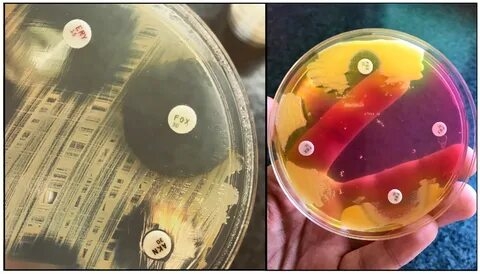
If your healthcare provider has recommended an MRSA screening test, you may be wondering whether you need to fast, stop taking medication, avoid certain personal care products, or follow other instructions before your appointment. The good news is that most MRSA screening tests require little or no special preparation. However, following the instructions provided by your healthcare team is important because certain treatments and products may affect how the test results are interpreted.
MRSA Screening Test in Dubai stands for methicillin-resistant Staphylococcus aureus, a type of bacteria that can resist several commonly used antibiotics. These bacteria may live on the skin or inside the nose without causing illness. An MRSA screening test helps identify whether you carry the bacteria at the body site being tested.
Screening may be recommended before certain surgical procedures, during selected hospital admissions, or when healthcare professionals need to manage the risk of infection transmission.
This guide explains what to do before an MRSA test, which products and medications to discuss with your healthcare provider, and how to make sure your sample is collected appropriately.
The Quick Answer: What Preparation Does an MRSA Test Usually Need?
For most people, an MRSA screening test is straightforward. It commonly involves a healthcare professional collecting a swab from inside the nose, although other body sites may be tested when necessary.
Routine nasal screening generally does not require fasting, special clothing, or a complicated preparation routine. You can usually eat and drink normally unless you have received different instructions for another procedure taking place at the same appointment.
The most important preparation steps are to:
-
Follow the specific instructions given by your healthcare provider.
-
Tell the clinician about recent antibiotics, antiseptic washes, nasal treatments, or MRSA decolonization products.
-
Avoid starting or stopping medication specifically for the test unless instructed.
-
Tell the healthcare professional if you have an open wound, skin irritation, or symptoms of a possible infection.
Some healthcare facilities provide specific instructions before screening, particularly when the test is part of preparation for surgery. These instructions may differ according to the testing method and the purpose of the screening.
Before Your Appointment: Five Things Worth Checking
Rather than changing your usual routine unnecessarily, concentrate on the information that may help your healthcare team collect and interpret the sample correctly.
1. Check whether you need to follow facility-specific instructions
When an MRSA screening test is arranged, ask whether the facility has any preparation requirements. Some people are screened during an ordinary clinic visit, while others undergo screening before surgery or hospital admission.
If your test is part of a preoperative assessment, follow the instructions from your surgical team. You may have separate requirements related to fasting, bathing, or medication because of the planned procedure, rather than because of the MRSA swab itself.
2. Explain which medications you are taking
Tell your healthcare professional if you are taking antibiotics or have recently completed a course. Antibiotic use may influence bacterial detection, depending on the medication, timing, and testing method.
Do not stop prescribed antibiotics to improve the chance of detecting MRSA. Stopping treatment without medical advice may worsen an existing infection or interfere with your care.
The same principle applies to prescribed nasal medication and other treatments. Your clinician can decide whether the timing of your test needs to be considered.
3. Mention antiseptic washes and decolonization treatment
Some people receive a decolonization regimen after MRSA has been detected or before particular procedures. Depending on the clinical protocol, this may involve an antiseptic skin wash and a prescribed nasal treatment.
These products are different from ordinary personal care items because they are intended to reduce bacterial carriage. Using them shortly before screening may affect what the test detects.
Tell your healthcare team if you have recently used, or are currently using, any MRSA decolonization products. Do not discontinue a prescribed regimen or delay screening on your own; follow the advice given for your specific situation.
4. Report any wounds or skin problems
If you have a cut, surgical wound, skin infection, rash, or area of unusual redness, mention it before the appointment. Your healthcare professional may need to collect samples from specific sites or arrange diagnostic testing if an infection is suspected.
A routine MRSA carriage screening test is not always sufficient to investigate an active skin or wound infection. The appropriate specimen depends on the symptoms and the clinical question.
5. Confirm which body sites will be tested
The nose is a common site for MRSA screening, but some protocols include the throat, groin, skin folds, or other locations. A wound may also be sampled when clinically indicated.
Knowing which sites will be tested helps you understand the procedure and follow any relevant collection instructions. You do not need to clean or treat these areas with special products unless your healthcare provider specifically advises you to do so.
Do You Need to Fast, Shower, or Avoid Nasal Products?
A common concern is whether normal daily activities can affect an MRSA screening result. For routine swab-based screening, special preparation is often unnecessary, but some details are worth understanding.
Fasting: An MRSA swab usually does not require an empty stomach. If fasting is necessary for surgery, sedation, or another procedure scheduled at the same time, follow those separate instructions.
Showering and bathing: You can generally maintain your normal hygiene routine unless your healthcare team provides different instructions. If an antiseptic wash has been prescribed as part of a surgical or decolonization plan, use it according to the directions you were given.
Nasal sprays and ointments: Tell the clinician about prescribed nasal medicines, antibiotic ointments, or other nasal products. Do not stop them without advice, as the appropriate approach depends on the product and purpose of testing.
Skin creams and antiseptics: Mention recent use of antiseptic cleansers or topical antibiotic products, especially on a site that will be sampled. These treatments may influence bacterial detection in some circumstances.
Eating, drinking, and ordinary activities: Routine nasal swab screening generally does not require you to restrict food, water, or normal daily activities.
When instructions differ from these general recommendations, the instructions from your healthcare provider take priority.
What Happens During the MRSA Screening Test?
Understanding the collection process can help you prepare without unnecessary worry.
For nasal MRSA screening, a healthcare professional uses a sterile swab to collect a sample from the inside of the nostril or nostrils, according to the testing protocol. The procedure usually takes only a short time.
You may experience mild tickling, pressure, or temporary irritation, but the test does not usually require a needle or blood sample.
If additional body sites are included, separate swabs may be used. The healthcare professional places the specimens in appropriate transport containers and sends them to the laboratory.
The laboratory may use a culture-based test, which allows bacteria to grow for identification, or a molecular method such as polymerase chain reaction (PCR), which detects specific genetic markers associated with MRSA. The method used affects how quickly results are available and how the findings are interpreted.
Sample collection is generally brief, but laboratory processing can take longer. Ask the facility when you can expect your report if you need the result before surgery or another scheduled healthcare appointment.
Could Preparation Affect Your MRSA Screening Result?
Yes, some circumstances can influence whether MRSA is detected, although the effect depends on the test method and the individual situation.
Recent antibiotics or decolonization treatment may reduce the amount of bacteria present at the sampled site. An inadequate specimen, incorrect collection technique, or problems with transport can also affect test reliability.
This does not mean you should change your routine or attempt to influence the result. Instead, share relevant information with the clinician so that the sample can be interpreted appropriately.
A negative result means MRSA was not detected in the specimen using the method applied. It does not always rule out carriage at another body site. A positive result means MRSA was detected, but it does not automatically indicate an active infection.
If your result is unclear or the specimen is unsuitable, your healthcare provider may recommend repeat testing.
Special Considerations Before Surgery or Hospital Admission:
MRSA screening is sometimes part of a hospital's infection prevention process. Identifying MRSA carriage before selected surgical procedures can help the healthcare team decide whether additional precautions or preventive measures are appropriate.
If screening is required before an operation, contact the surgical team if you are unsure about preparation instructions or the timing of your test. Some patients are given specific skin-cleansing or nasal decolonization instructions, while others need only routine screening.
Do not start antiseptic washes or nasal antibiotic treatments independently. These measures are not necessary for every patient, and the decision to use them depends on the clinical circumstances.
If you have previously tested positive for MRSA, tell the healthcare team even if you have no symptoms. Previous results may be relevant when planning screening and infection prevention.
Frequently Asked Questions About MRSA Test Preparation:
Can I eat and drink before an MRSA screening test?
Usually, yes. A routine MRSA swab does not generally require fasting. Follow any separate instructions related to surgery or another procedure.
Should I stop taking antibiotics before the test?
No. Do not stop prescribed antibiotics without medical advice. Tell your clinician about current or recent antibiotic use so that the result can be interpreted in context.
Should I wash my nose before a nasal swab?
There is generally no need to perform special nasal cleansing before routine screening. Follow the collection instructions provided, and tell the clinician about nasal sprays, ointments, or recent nasal treatments.
Can I take an MRSA screening test if I have symptoms?
Yes, but make sure you explain your symptoms. If you have a painful wound, spreading redness, swelling, pus, or fever, the clinician may decide that additional diagnostic testing is needed rather than relying only on a screening swab.
Is a positive MRSA screening result always serious?
Not necessarily. A positive result may indicate colonization, meaning MRSA is present without causing illness. Your healthcare professional can explain whether any precautions, follow-up, or treatment is appropriate.
Final Checklist: Getting Ready for Your MRSA Test
Most MRSA screening Lab tests are simple and require minimal preparation. You generally do not need to fast or make major changes to your daily routine before a standard swab.
The most useful approach is to follow the facility's instructions, disclose relevant medication and treatment history, and mention any wounds or symptoms. Avoid independently stopping prescribed medicines or starting products intended to reduce MRSA carriage.
Correct preparation and sample collection help healthcare professionals interpret the result and make informed decisions about infection prevention and follow-up.

 English
 Arabic
 French
 Spanish
 Portuguese
 Deutsch
 Turkish
 Dutch
Dutch
 Italiano
 Russian
 Romaian
 Greek
Greek
