


Steps to Take After Someone Dies: A Compassionate Guide for Families
Losing a loved one can be one of the most difficult experiences a person faces. Along with grief, families often need to make important decisions, contact relatives, arrange a funeral, and manage legal responsibilities. Knowing the steps to take after someone dies can help families understand what needs attention first and approach each responsibility with greater confidence.
The process can feel overwhelming, especially when everything happens unexpectedly. However, not every task needs to be completed immediately. Some responsibilities require urgent attention, while others can be handled over the following days and weeks. Understanding the process can help you avoid unnecessary confusion, make informed decisions, and give yourself time to grieve.
What to Do Immediately After Someone Dies
The first priority is to ensure that the situation is handled safely and according to the appropriate medical and legal procedures. The next steps depend on whether the death was expected and where it occurred.
Contact Emergency Services or a Medical Professional
If someone appears to have died unexpectedly at home, call your local emergency number immediately. Follow the instructions provided by emergency responders, and do not assume the person has died without professional assessment. If there is any possibility of survival, seek emergency medical assistance without delay.
If your loved one was receiving hospice care or treatment for a serious illness, contact their doctor or care team. They can explain how the death will be confirmed and what paperwork needs to be completed.
An unexpected or unexplained death may require an investigation by local authorities or a medical examiner. Avoid moving the body or disturbing the surroundings unless necessary for safety or instructed by emergency personnel.
Understand What to Do When Someone Dies at Home
Knowing what to do when someone dies at home can help family members respond calmly during an upsetting situation. If the death was expected and the person was receiving end of life care, follow the instructions provided by the hospice team or medical professional.
If the death was sudden, unexplained, or associated with an accident, contact emergency services or the appropriate local authority. Officials will explain what happens next and whether an investigation or further examination is required.
Once the necessary procedures have been completed, contact an authorized funeral provider to discuss transportation and arrangements. Requirements differ by location, so confirm which documents and permissions are needed before proceeding.
Important Steps to Take After Someone Dies
After the immediate medical and legal requirements have been addressed, families can begin organizing the practical responsibilities that follow. Asking a trusted relative or friend to assist with phone calls, paperwork, and appointments can make the process more manageable.
Notify Family Members and Close Friends
Inform immediate family members, close friends, and other people who need to know about the death. Contact relatives who live far away so they have time to make travel arrangements if necessary.
If making phone calls feels overwhelming, ask someone you trust to help communicate the news. A short message can share essential information without requiring you to explain the circumstances repeatedly.
Respect the family's privacy when sharing details. If the circumstances surrounding the death are unclear, avoid speculation and wait for verified information before discussing further details.
Gather Important Personal Documents
Collecting important documents early can help prevent delays when arranging a funeral, registering the death, or managing the person's estate. You do not need to locate everything immediately, but keeping available records in one secure place can make later tasks easier.
Useful documents may include:
- Identification documents and available medical records.
- Birth certificates, marriage certificates, and other family records.
- Insurance policies, bank information, property documents, and records of outstanding debts.
- A will, trust documents, funeral instructions, or prepaid funeral arrangements.
- Contact information for the person's employer, lawyer, doctor, and financial advisers.
Keep original documents secure and make copies when appropriate. Avoid sharing private financial information with anyone whose identity or authority has not been verified.
Obtain the Official Death Certificate
A death certificate is an important legal document that may be required for insurance claims, estate administration, financial matters, and certain government applications.
The process for registering a death depends on local laws. Contact the relevant registration authority, medical professional, or funeral provider to learn which documents are required and who is responsible for completing the registration.
Ask how many certified copies you may need. Banks, insurance companies, and government agencies may have different requirements, so obtaining sufficient copies can reduce delays later.
How to Arrange a Funeral After a Death
Funeral planning can involve emotional decisions, financial commitments, and coordination among relatives. Understanding the available options can help families organize a meaningful farewell without unnecessary pressure.
Review the Person's Final Wishes
Look for written instructions regarding burial, cremation, religious customs, or memorial preferences. Your loved one may have discussed their wishes with family members or made arrangements before their death.
If no instructions are available, speak with close relatives and identify who has the legal authority to make decisions. Personal preferences and family traditions can guide the process, but local laws must also be followed.
Before selecting a funeral provider, request a clear explanation of the costs. Ask about transportation, preparation, ceremony arrangements, permits, and additional charges. Comparing available options can help families choose services that meet their needs and budget.
Coordinate the Funeral Service
Once the necessary permissions are in place, coordinate transportation and other arrangements with an authorized provider. Depending on family preferences and local customs, this may involve a burial, cremation, religious service, or private memorial.
You may need to choose a date and location, notify guests, prepare an obituary, or organize flowers and readings. Dividing these responsibilities among family members can prevent one person from becoming overwhelmed.
A meaningful farewell does not need to be elaborate. A simple gathering can give loved ones an opportunity to share memories, express their feelings, and honor the life of the person they have lost.
Handling Legal and Financial Responsibilities
Some responsibilities may have deadlines, but many legal and financial matters can be handled gradually. Seek professional advice when you are uncertain about inheritance, property ownership, taxes, or your authority to manage an account.
Notify Banks, Insurance Companies, and Other Organizations
After obtaining the necessary documentation, contact relevant organizations to report the death and ask about their procedures. These may include banks, insurance providers, pension administrators, employers, utility companies, and government benefit agencies.
Each organization may require different forms or supporting documents. Ask what is needed before submitting paperwork, and keep a record of the people you contact and the instructions they provide.
Do not assume that being a spouse, child, or other relative automatically gives you permission to access accounts or transfer money. Follow the institution's requirements and obtain appropriate authorization before taking action.
Locate the Will and Understand Estate Responsibilities
If the deceased left a will, locate the document and check whether an executor or personal representative was named. That person may be responsible for managing the estate according to the will and applicable law.
If no will exists, local inheritance laws generally determine how the estate is handled. The process may depend on family relationships, property ownership, outstanding debts, and the location of the assets.
Avoid distributing belongings, selling property, or transferring funds until you understand your legal responsibilities. Keeping records of expenses, payments, and important decisions can help prevent confusion or disagreements among relatives.
Taking Care of Yourself While Grieving
Practical responsibilities can make it difficult to find time to grieve. However, emotional well being is equally important. Grief can affect sleep, concentration, appetite, and decision making, and every family member may respond differently.
Accept Help and Give Yourself Time
Ask trusted relatives or friends to assist with meals, transportation, phone calls, paperwork, and everyday responsibilities. Writing down tasks and identifying urgent deadlines can help you manage everything without feeling that it must all be completed immediately.
Try to maintain basic routines, including eating regularly, drinking enough water, and getting sufficient rest. Allow yourself time to remember your loved one without feeling that every moment must be spent completing tasks.
If grief becomes difficult to manage, consider speaking with a grief counselor, mental health professional, or bereavement support group. Reaching out for support can help you adjust to the loss while handling necessary responsibilities.
Conclusion
Understanding the steps to take after someone dies can help families manage immediate responsibilities and make important decisions with greater confidence. Start by contacting the appropriate professionals, notifying loved ones, gathering essential documents, and arranging the funeral. Then address legal, financial, and administrative matters according to local requirements.
If you are unsure what to do when someone dies at home, seek guidance from emergency services, medical professionals, or local authorities. Focus on urgent needs first, ask trusted people for assistance, and give yourself time to handle the remaining responsibilities.
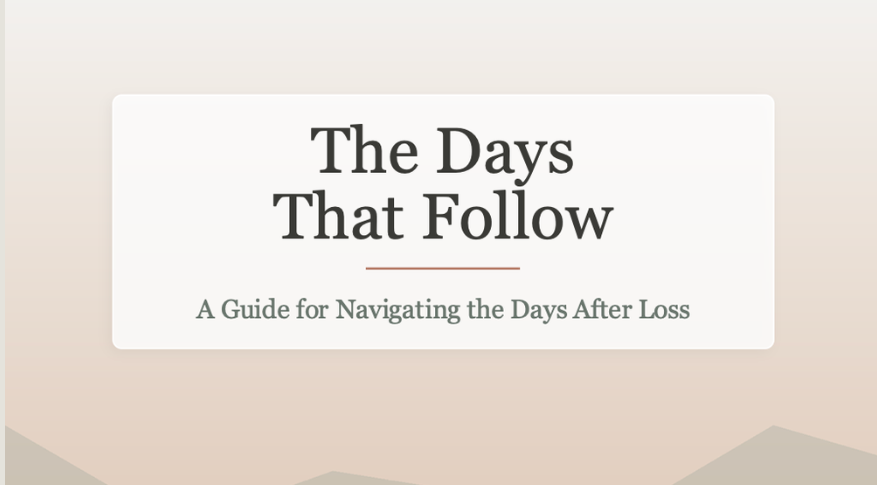
The Days That Follow helps families understand the practical responsibilities that arise after a loss. With clear information, thoughtful planning, and support from others, families can navigate this difficult period while finding meaningful ways to remember and honor the person they have lost.

 English
 Arabic
 French
 Spanish
 Portuguese
 Turkish
 Dutch
Dutch
 Italiano
 Russian
 Romaian
 Portuguese (Brazil)
 Greek
Greek
