


Beyond the Landmarks: Enjoying Kamakura at Your Own Pace
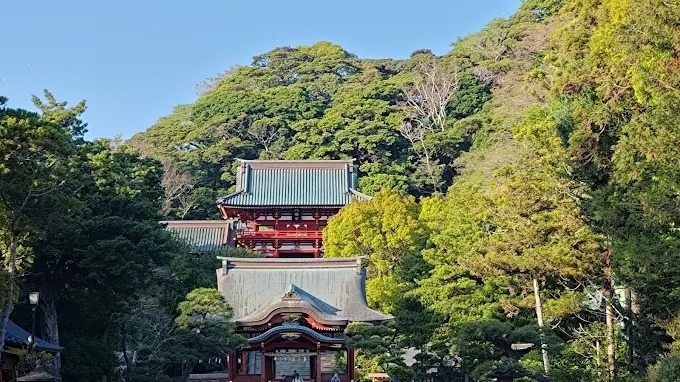
Japan offers many destinations where history, nature, and everyday local life come together, and Kamakura is one of the most rewarding places to explore near Tokyo. Known for its historic temples, peaceful gardens, coastal scenery, and traditional streets, this seaside city offers a refreshing change from the busy atmosphere of the capital. A well-planned Kamakura day trip gives travelers the opportunity to experience several sides of Japanese culture without needing to organize a long journey.
Discover a Different Side of Japan
Kamakura was once an important political center, and its history remains visible throughout the city. Buddhist temples, Shinto shrines, traditional gates, and carefully maintained gardens provide a glimpse into Japan’s cultural heritage. Yet Kamakura is more than a destination for history enthusiasts. Its relaxed pace, small local shops, and proximity to the ocean make it appealing to travelers looking for a varied and enjoyable day out.
The city is particularly suitable for visitors who want to balance sightseeing with time to explore naturally. Rather than rushing between attractions, travelers can pause to appreciate architectural details, enjoy a quiet garden, or discover a small café along the way.
Explore Historic Temples and Shrines
Kamakura’s religious sites are among its most recognizable attractions. Each offers a different atmosphere, from grand temple grounds to peaceful pathways surrounded by greenery. Visitors can admire traditional architecture, learn about Buddhist and Shinto customs, and observe how these historic places remain part of local life.
The Great Buddha of Kamakura is a popular highlight. This impressive bronze statue attracts visitors from around the world and provides an opportunity to reflect on the city’s religious heritage. Other temples and shrines offer quieter experiences, with gardens, wooded approaches, and seasonal scenery adding to their appeal.
When visiting these sites, it is helpful to allow enough time to explore respectfully. Following posted guidance, keeping voices low in quiet areas, and observing local customs can make the experience more meaningful.
Enjoy Kamakura’s Coastal Atmosphere
One of Kamakura’s special qualities is its connection to the sea. After visiting temples and historic streets, travelers can head toward the coastline for a different perspective on the region. Ocean views, fresh air, and the sound of waves create a relaxed contrast with the cultural attractions inland.
The coastal area can be especially enjoyable for photography or a short walk. Depending on the weather and season, visitors may encounter surfers, local residents enjoying the waterfront, and cafés where they can take a break.
Travelers who appreciate both culture and nature can build a varied itinerary around this contrast. A morning spent exploring historic sites can be followed by a leisurely lunch and an afternoon near the water.
Discover Local Food and Shopping Streets
No visit to Kamakura is complete without sampling some of its local food. The streets around major sightseeing areas feature cafés, snack shops, traditional sweets, and restaurants serving Japanese dishes. These stops allow visitors to experience the city beyond its best-known landmarks.
Komachi Street is a well-known place to browse local shops and try snacks while exploring the area near Kamakura Station. Visitors can look for regional treats, pick up souvenirs, or simply enjoy the lively atmosphere.
For a more relaxed meal, stepping away from the busiest streets may reveal smaller restaurants and cafés. Leaving some unplanned time in the schedule makes it easier to discover places that match individual interests rather than following a strict checklist.
Make the Most of a Day Trip
A successful day in Kamakura depends on choosing a realistic number of stops. The city has several areas worth exploring, and attempting to visit everything in a single day can leave little time to appreciate each place.
Before setting out, consider what matters most: historic temples, coastal views, local cuisine, photography, or a combination of experiences. Grouping nearby attractions together can reduce unnecessary travel and make the day feel more comfortable.
Transportation and timing also deserve attention. Popular attractions may become busy during weekends, holidays, and seasonal travel periods. Starting early can provide more time for sightseeing, while checking opening hours in advance helps prevent unnecessary detours.
For travelers who prefer a more convenient way to organize their outing, a private tour can help coordinate stops around personal interests and the available schedule. This can be particularly useful for families, small groups, or visitors who want to combine several experiences without managing every detail independently.
Choose a Travel Style That Suits You
Every traveler experiences Kamakura differently. History lovers may want to spend longer at temples and shrines, while nature enthusiasts may prefer walking routes and coastal scenery. Food-focused visitors might prioritize local restaurants and shopping streets, and photographers may enjoy allowing extra time for changing light and seasonal landscapes.
A flexible itinerary makes room for these preferences. It also leaves space for unexpected discoveries, whether that means finding a quiet garden, enjoying a local dessert, or taking a break with an ocean view.
Those planning their visit can explore this option for a Kamakura day trip:
https://www.zengoride.com/tours/zen-by-the-sea-kamakura-day-trip
A Memorable Escape from Tokyo
Kamakura offers a rewarding combination of cultural heritage, natural beauty, and everyday Japanese life. Its historic landmarks provide a sense of the past, while its cafés, shopping streets, and coastline create opportunities to enjoy the present at a slower pace.
With thoughtful planning and enough flexibility, a day in Kamakura can become more than a quick sightseeing excursion. It can be an opportunity to appreciate Japan’s traditions, enjoy the seaside atmosphere, and return to Tokyo with a richer impression of the country.

 English
 Arabic
 French
 Portuguese
 Deutsch
 Turkish
 Dutch
Dutch
 Italiano
 Russian
 Romaian
 Portuguese (Brazil)
 Greek
Greek
