


Modern Dining Room Furniture Buying Guide: Tables, Chairs, and Storage Essentials
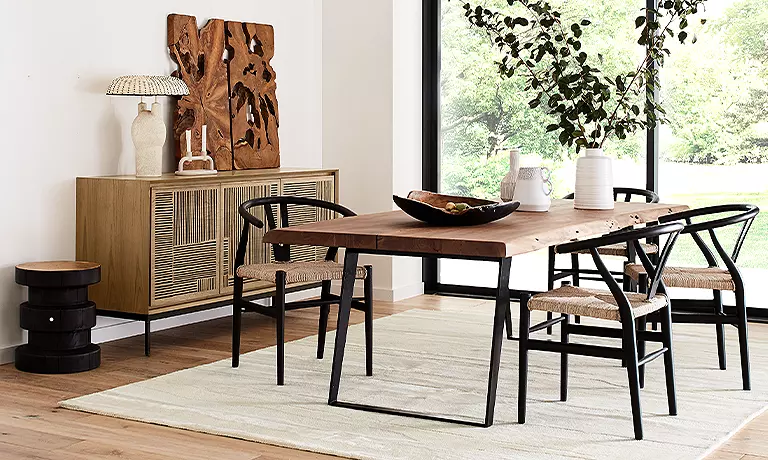
Choosing the right dining room furniture can transform an ordinary eating area into a comfortable, functional, and stylish part of your home. The dining room is more than a place to share meals; it is where families gather, friends reconnect, and special occasions become memorable. Modern dining room furniture offers a wide variety of designs that combine clean lines, practical features, and attractive materials to suit different interior styles. From elegant dining tables to comfortable chairs and versatile storage cabinets, every piece contributes to the overall appearance and usability of the space.
However, buying furniture requires more than choosing pieces that look attractive in a showroom or online catalog. Room dimensions, seating requirements, material quality, maintenance needs, and budget all influence the final decision. A well-planned dining room should provide enough space for comfortable movement while maintaining a cohesive appearance. Whether you are furnishing a new home or updating an existing interior, understanding the essentials will help you select furniture that meets your everyday needs and remains appealing for years.
Understanding Your Dining Room Space and Furniture Needs
Before purchasing modern dining room furniture assess the available space and determine how you intend to use it. Measure the room's length and width, noting the locations of doors, windows, walkways, and other obstacles. These measurements help you identify suitable table dimensions and determine how many chairs can fit comfortably. Remember that furniture needs additional clearance for people to sit down, move around the table, and access nearby storage without disrupting others.
A clearance of approximately 36 inches around a dining table is a useful starting point, although busy walkways may require more space. If your dining area shares an open-plan layout with the kitchen or living room, consider how the furniture will affect movement between these spaces. A compact round table may work well in a smaller room, while a rectangular table can make better use of a longer dining area. Choosing furniture that respects the room's proportions helps prevent a cramped or unbalanced appearance.
Your household's lifestyle should guide the selection process as much as room measurements. A couple who occasionally entertains guests may prefer a small table with an extension feature, while a larger family may need permanent seating for six or more people. Consider whether the dining table will also serve as a homework station, remote workspace, or place for creative activities. Understanding these requirements before shopping makes it easier to compare designs and avoid buying furniture that looks attractive but does not suit your daily routine.
Choosing the Perfect Modern Dining Table
The dining table is usually the centerpiece of the room, making its size, shape, and construction especially important. Rectangular tables are versatile and often work well for families or people who regularly host guests. Round tables encourage conversation and can improve circulation in smaller rooms, while square tables suit compact spaces with balanced proportions. Oval tables provide a softer silhouette while retaining many of the seating advantages of rectangular designs. The best shape depends on the room's layout, the number of people you need to accommodate, and your preferred decorating style.
Material selection influences the table's appearance, durability, and maintenance requirements. Solid wood provides natural character and may be refinished when its construction and finish allow it. Quality wood veneer can deliver attractive grain patterns and a refined appearance, although damaged veneer may be more difficult to repair. Glass creates a visually lighter effect, making it appealing in smaller interiors, but it usually requires frequent cleaning to remove fingerprints. Stone, metal, and engineered materials offer additional options, each with different weight, care, and durability considerations.
Functionality should remain a priority when comparing tables. Extendable designs provide additional seating when guests arrive without requiring a permanently oversized tabletop. Pedestal bases can make chair placement easier, while traditional four-legged tables offer a familiar, stable structure. Check the table height and ensure there is enough space underneath for comfortable legroom. A well-chosen table should support everyday activities while complementing the room's overall design, rather than dominating the space or limiting how it can be used.
Selecting Comfortable and Stylish Dining Chairs
Dining chairs influence both the comfort and visual character of your dining area. Although matching table-and-chair sets can create a coordinated appearance, mixing complementary styles often produces a more individual interior. Upholstered chairs introduce softness and comfort, while wooden chairs emphasize natural materials and craftsmanship. Metal frames can create a contemporary industrial appearance, and molded seats provide a streamlined option for modern homes. Whatever style you choose, consider how the chairs will look alongside the table, flooring, lighting, and surrounding furniture.
Comfort deserves careful attention because dining chairs may be used for extended periods. Examine the seat height, depth, backrest shape, and overall stability before making a purchase. If possible, sit in the chair and assess whether it provides adequate support for your body. The chair should fit comfortably beneath the table without restricting movement or leaving insufficient legroom. For households with children or frequent visitors, durable upholstery and easy-to-clean surfaces can also make everyday maintenance simpler.
The number and arrangement of chairs should reflect your actual needs. Avoid filling a small room with extra seating that remains unused most of the time, particularly if it restricts access to doors or storage cabinets. Instead, consider keeping a few additional chairs elsewhere in the home for occasional gatherings. If you prefer a coordinated but less formal appearance, combine chairs with similar proportions or finishes while varying their shapes or upholstery. This approach creates visual interest without making the dining area feel disorganized.
Storage Essentials: Sideboards, Cabinets, and Credenzas
Storage is an important part of a well-designed dining room because it helps keep frequently used items organized and accessible. Sideboards, buffets, and credenzas provide space for dinnerware, serving dishes, table linens, and entertaining accessories. They can also support decorative objects such as lamps, framed artwork, or small plants. Before choosing a storage unit, measure the available wall space and consider the depth of the cabinet, the direction in which its doors open, and the clearance needed for drawers.
The style of your storage furniture should complement the dining table without necessarily matching it exactly. A walnut sideboard can add warmth to a contemporary dining room, while a minimalist cabinet with clean lines suits a restrained interior. Glass-fronted cabinets provide an opportunity to display selected dinnerware, whereas closed storage helps conceal everyday clutter. Consider the amount and type of storage you need before deciding between shelves, drawers, cupboards, or a combination of features. Practical organization can make the room easier to maintain while improving its appearance.
When selecting a cabinet, pay attention to construction quality and everyday usability. Check whether the doors align correctly, the drawers slide smoothly, and the unit remains stable when opened. Shelves should be suitable for the weight of the items you intend to store, particularly if you plan to keep heavy dinnerware or serving equipment inside. If space is limited, a narrow sideboard may provide useful storage without overwhelming the room. The right unit should balance capacity, proportions, and visual appeal while supporting the way you use the dining area.
Coordinating Colors, Lighting, and Modern Desk Decor
A successful dining room design depends on how furniture interacts with colors, lighting, and accessories. Natural wood tones work well with warm neutrals, while black, white, and gray create a more understated contemporary palette. Upholstered chairs, rugs, and artwork can introduce color without requiring a complete change of furniture. Repeating a few shades or materials throughout the room helps create continuity, particularly in open-plan homes where the dining area is visible from other living spaces. Aim for a balanced combination of finishes instead of using too many competing statement pieces.
Lighting helps define the dining area and creates the right atmosphere for different occasions. A pendant light or chandelier positioned above the table can act as a focal point while providing useful illumination. Dimmable lighting is especially practical because it allows you to adjust brightness for family meals, evening entertaining, or other activities. Make sure the fixture suits the size of the table and does not obstruct views across it. Additional wall lights or floor lamps can improve the room's overall lighting without adding unnecessary clutter.
For homes where dining and working areas share the same space, thoughtful modern desk decor can help maintain a consistent interior style. A streamlined desk, a simple task lamp, and carefully chosen organizers can complement the dining furniture without making the room feel like an office. Use similar wood tones, metal finishes, or neutral colors to connect the two areas visually. Keep work accessories organized when they are not in use, especially if the dining table doubles as a workspace. This approach supports a practical, cohesive environment that adapts to changing daily needs.
Evaluating Quality, Budget, and Long-Term Value
Establishing a budget before shopping helps you prioritize the pieces that matter most. Include the cost of the table, chairs, storage, lighting, delivery, and assembly when estimating the total expense. You may decide to invest more in a durable dining table while selecting simpler chairs or accessories that can be upgraded later. Comparing products based on materials, construction, warranties, and maintenance requirements gives you a more useful picture of value than focusing exclusively on the initial price.
Inspect furniture carefully before buying whenever possible. Tables should feel stable, chair joints should be secure, and drawers or cabinet doors should operate smoothly. Ask retailers about care instructions, replacement parts, and warranty coverage, particularly for furniture that will receive frequent use. When buying secondhand items, look for structural damage, loose joints, water stains, and signs of poor-quality repairs. A lower purchase price may not represent good value if extensive restoration or replacement is needed shortly afterward.
Long-term flexibility is another useful consideration. Extendable tables, versatile cabinets, and chairs with durable finishes can adapt to changing household needs. Neutral designs and well-balanced proportions may also remain compatible with future decorating updates, reducing the pressure to replace furniture as trends change. Prioritize pieces that offer a suitable combination of comfort, durability, appearance, and practical function. A thoughtful buying decision should improve your dining experience today while continuing to serve your household well in the future.
Conclusion
Creating a functional and attractive dining area begins with choosing furniture that suits your space, lifestyle, and budget. A well-proportioned table, comfortable chairs, and practical storage provide the foundation for a successful room. Materials, colors, lighting, and accessories then help bring the design together, creating an environment that feels welcoming without sacrificing everyday usability.
When shopping for modern dining room furniture, focus on construction quality, suitable dimensions, and features that support how you live. Consider flexible designs if your household needs may change, and use coordinated finishes to create a consistent appearance throughout the home. Whether you are furnishing a dedicated dining room or combining dining and working areas with complementary modern desk decor, careful planning can help you achieve a balanced and versatile interior. By prioritizing functionality and timeless design over short-lived trends, you can create a dining space that remains comfortable, practical, and inviting for years to come.

 English
 Arabic
 French
 Spanish
 Portuguese
 Deutsch
 Turkish
 Dutch
 Russian
 Romaian
 Portuguese (Brazil)
 Greek
