


The Benefits of Swimming Pool Weekly Service for Homeowners
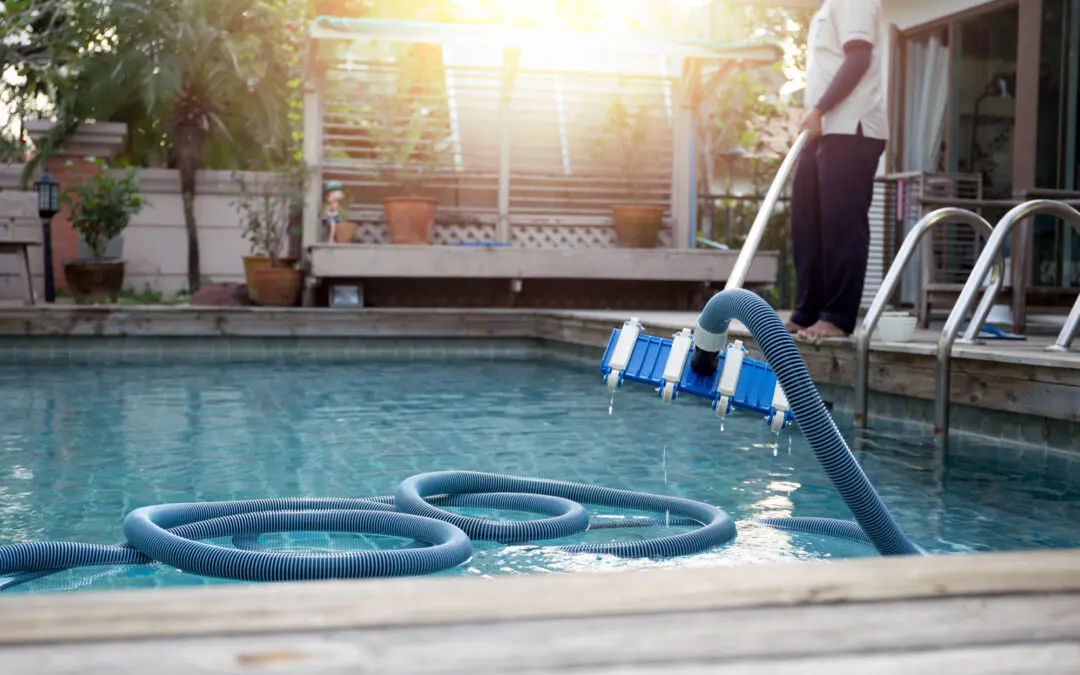
Owning a swimming pool offers a wonderful way to relax, exercise, and spend quality time with family and friends. However, keeping the water clean, clear, and safe requires consistent attention throughout the year. Leaves, dust, sunscreen, and other contaminants can quickly affect water quality, while neglected equipment may lead to expensive repairs. For homeowners with busy schedules, maintaining a pool can become a demanding responsibility without a reliable maintenance routine.
Professional technicians can clean pool surfaces, test water chemistry, remove debris, and inspect equipment to help prevent common problems. Regular attention also makes it easier to identify developing issues before they require extensive treatment or repairs. A swimming pool weekly service provides a practical solution by keeping essential maintenance tasks on a regular schedule. Understanding these benefits can help homeowners decide whether weekly professional maintenance is the right investment for their property.
Why Weekly Swimming Pool Maintenance Matters
Swimming pools require regular care because water conditions can change significantly between cleaning sessions. Sunlight, temperature fluctuations, rainfall, and swimmer activity all influence water quality. Organic debris can accumulate on the surface and settle on the pool floor, while inadequate sanitation may encourage algae growth. Weekly maintenance helps homeowners address these changes before they develop into more difficult cleaning problems.
A professional service typically includes several essential tasks, depending on the selected maintenance plan. These may involve skimming floating debris, brushing walls and steps, vacuuming the pool floor, emptying skimmer baskets, and inspecting circulation equipment. Technicians may also test the water and adjust chemicals according to the pool's condition and the manufacturer's recommendations. Performing these tasks consistently supports cleaner water and helps maintain the overall condition of the swimming area.
Weekly service also creates a more predictable approach to pool ownership. Instead of waiting until the water becomes cloudy or the equipment begins showing signs of trouble, homeowners can follow a preventive maintenance schedule. This approach does not eliminate every possible issue, but it reduces the likelihood of problems caused by neglected cleaning and inconsistent monitoring. It also gives homeowners more time to enjoy their pool instead of managing every maintenance task themselves.
Maintaining Clear Water and Proper Chemical Balance
Water clarity is one of the first things people notice when they approach a swimming pool. However, clear water alone does not guarantee that the pool is properly sanitized. Regular testing is necessary to monitor sanitizer levels, pH, and other relevant water chemistry measurements. Keeping these factors within the appropriate ranges helps support effective sanitation, improve swimmer comfort, and protect pool surfaces and equipment from chemical damage.
During weekly visits, a qualified technician can assess the water and identify imbalances that may not be obvious to the naked eye. Chlorine demand can increase with sunlight and heavy swimming, while rainfall and added water can alter chemical balance. If these changes go unnoticed, the pool may develop irritation concerns, scaling, corrosion, or conditions that encourage algae. Regular testing allows adjustments to be made according to measured conditions rather than guesswork.
Homeowners should also understand the importance of maintaining their pool between professional visits. Heavy use, extreme heat, or severe weather may require additional testing and attention. Follow the guidance provided by your pool professional and the instructions on chemical products. Combining weekly service with responsible everyday pool habits helps maintain better water quality and supports a more comfortable swimming environment.
Protecting Pool Equipment and Reducing Repair Costs
A swimming pool depends on several interconnected components, including pumps, filters, skimmers, heaters, and circulation lines. When one component does not operate correctly, the entire system may become less effective. Clogged baskets can restrict water flow, dirty filters can affect circulation, and unusual pump behavior may indicate a developing mechanical problem. Regular equipment inspections help identify warning signs before they lead to more extensive damage.
Weekly maintenance provides opportunities to check accessible equipment and monitor changes in performance. A technician may notice abnormal filter pressure, visible leaks, unusual noises, or reduced circulation. These signs do not always indicate a serious failure, but they deserve attention and, when necessary, further diagnosis. Early assessment can help homeowners understand their options and make informed decisions about repairs.
Consistent care may also extend the useful life of pool equipment by reducing unnecessary strain caused by poor circulation or neglected filtration. However, regular cleaning cannot prevent normal wear, manufacturing defects, or every unexpected breakdown. Homeowners should ask their service provider which inspections are included in the maintenance plan and whether repairs require separate approval. Clear expectations make it easier to manage maintenance expenses and avoid surprises.
Improving Pool Appearance With Professional Tile Cleaning
Pool tiles contribute significantly to the appearance of a swimming area, particularly around the waterline. Over time, minerals in the water can leave deposits on tile surfaces as water evaporates. Sunscreen, oils, dust, and other contaminants may also contribute to visible buildup. Although routine brushing helps remove loose debris, established mineral scale may require specialized cleaning methods to restore the tiles' appearance.
A swimming pool tile cleaning service can help remove stubborn deposits using methods appropriate for the tile material and the severity of the buildup. Depending on the situation, professionals may use suitable cleaning solutions, careful manual techniques, or specialized equipment. Choosing the correct method is important because aggressive chemicals or abrasive cleaning can damage certain finishes, grout, and surrounding surfaces. An experienced technician should explain the proposed process before beginning the work.
Tile cleaning is often a periodic task rather than something required during every weekly maintenance visit. The appropriate frequency depends on water chemistry, mineral content, pool usage, and the type of tile installed. Keeping water balanced and addressing early signs of buildup may make future cleaning easier. If tiles are cracked, grout is deteriorating, or deposits return unusually quickly, a professional assessment can help determine whether the problem requires more than surface cleaning.
Saving Time and Making Pool Ownership Easier
Pool maintenance involves more than occasional skimming. Homeowners must monitor water chemistry, clean surfaces, maintain filtration, inspect equipment, and purchase the appropriate supplies. When these responsibilities are added to work, family commitments, and other household tasks, it can be difficult to maintain a consistent schedule. Weekly professional service helps reduce this workload by assigning essential maintenance tasks to an experienced provider.
A regular service arrangement also makes it easier to prepare the pool for weekends, gatherings, and periods of heavy use. Rather than spending several hours cleaning the pool before guests arrive, homeowners can rely on an established maintenance routine. Professional visits may also include service reports that explain completed tasks, water readings, and any issues requiring attention. These records provide a useful overview of the pool's condition and help homeowners plan future maintenance.
Although professional service involves a recurring cost, the value extends beyond convenience. Consistent care may reduce the likelihood of extensive algae treatment, neglected equipment problems, and avoidable cleaning expenses. Homeowners can compare maintenance packages to determine which tasks they prefer to handle themselves and which are better left to professionals. Selecting a suitable plan helps balance convenience, service quality, and the household budget.
Choosing the Right Weekly Pool Maintenance Provider
Choosing a pool maintenance company requires careful consideration of its experience, service details, communication, and pricing. Ask prospective providers what their weekly visits include and whether chemicals, filter cleaning, and equipment inspections are part of the quoted price. Some companies provide comprehensive maintenance, while others charge separately for specialized treatments and repairs. Comparing written estimates helps you understand the differences between service plans.
Experience with your particular pool system is also important. Saltwater pools, traditional chlorine pools, attached spas, and pools with specialized filtration equipment may require different maintenance procedures. A qualified technician should understand the equipment involved and explain recommendations in clear, practical language. It is also sensible to confirm that the provider has appropriate insurance and that any specialized repair work is performed by properly qualified personnel.
Customer reviews can offer useful information about reliability, punctuality, and service quality. Look for feedback describing consistent visits, clear communication, and transparent billing rather than relying exclusively on star ratings. Ask how the company handles severe weather, missed appointments, and problems discovered between scheduled visits. A dependable provider should explain its policies, document completed work when appropriate, and communicate promptly when additional maintenance is necessary.
Establishing a Long-Term Pool Care Routine
The benefits of weekly maintenance become more apparent when professional service is combined with responsible care between visits. Homeowners can remove visible leaves, check water levels, observe circulation, and look for changes in water clarity. These simple actions help identify potential problems early and provide useful information to the technician. During periods of heavy swimming or extreme weather, additional testing may be necessary to maintain appropriate water conditions.
Seasonal adjustments also help keep a pool in good condition. Spring pollen and storms can increase debris, while summer heat and frequent swimming may increase sanitizer demand. Autumn leaves can clog skimmer baskets, and winter cold snaps may require precautions to protect exposed plumbing and equipment. A maintenance provider familiar with local conditions can recommend an appropriate schedule based on the pool's design, surrounding landscape, and seasonal use.
Ultimately, a swimming pool weekly service helps homeowners maintain cleaner water, monitor equipment performance, and manage routine maintenance more effectively. When combined with periodic swimming pool tile cleaning service, it also supports the appearance and long-term care of pool surfaces. The right plan depends on your pool's specific needs, but consistency is the foundation of effective maintenance. By choosing a qualified provider and staying involved in basic pool care, you can protect your investment and enjoy a cleaner, more inviting swimming environment throughout the year.

 English
 Arabic
 French
 Portuguese
 Deutsch
 Turkish
 Dutch
 Italiano
 Russian
 Romaian
 Portuguese (Brazil)
 Greek
