


What Does an Abnormal Lipid Profile Test Result Mean?
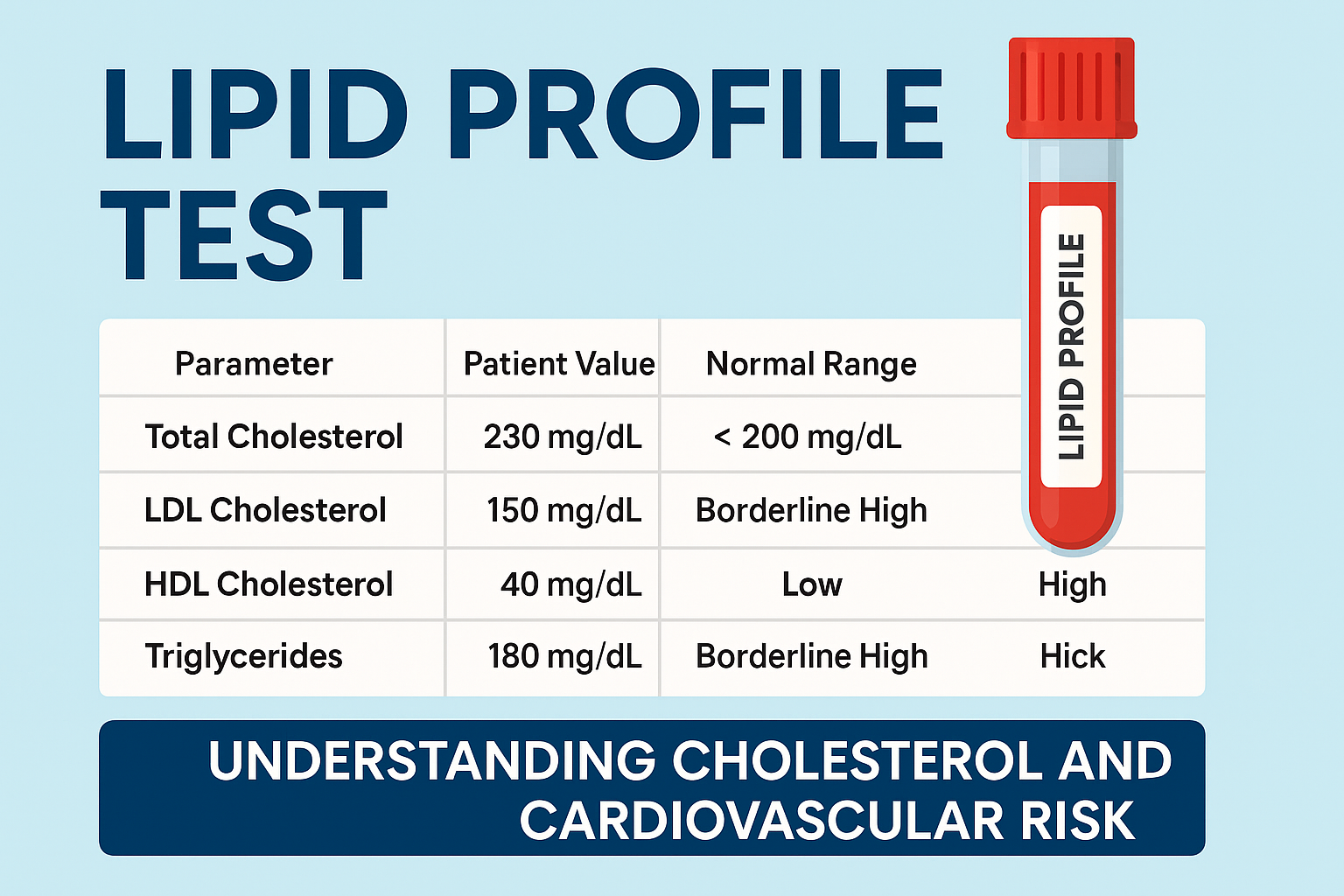
Receiving an abnormal lipid profile test result can raise several questions. Does high cholesterol mean you have heart disease? Is low HDL cholesterol dangerous? Can elevated triglycerides be reduced through dietary changes? Understanding your cholesterol report can help you answer these questions and take practical steps to protect your cardiovascular health.
A Lipid Profile Test in Dubai measures different types of fats and cholesterol-carrying particles in your blood. These measurements help healthcare professionals evaluate your risk of developing cardiovascular disease, including heart attack and stroke. An abnormal result does not automatically mean you have a serious medical condition, but it may indicate that certain risk factors need attention.
This guide explains what abnormal lipid profile results mean, how to interpret HDL, LDL, and triglyceride levels, what causes abnormal cholesterol readings, and which steps can help improve your lipid profile.
What Is an Abnormal Lipid Profile Test Result?
A lipid profile test, also known as a lipid panel or cholesterol test, measures the levels of several blood lipids. These include total cholesterol, high-density lipoprotein (HDL) cholesterol, low-density lipoprotein (LDL) cholesterol, and triglycerides.
Your results are compared with laboratory reference ranges and, more importantly, your individual cardiovascular risk.
A lipid profile may be considered abnormal when one or more measurements fall outside desirable levels. Common findings include:
-
High LDL cholesterol, which can contribute to plaque buildup inside arteries.
-
Low HDL cholesterol, which may be associated with increased cardiovascular risk.
-
Elevated triglycerides, which can indicate metabolic problems and, at very high levels, increase the risk of pancreatitis.
-
High total cholesterol or non-HDL cholesterol, suggesting an increased amount of cholesterol carried by potentially harmful lipoproteins.
The significance of an abnormal lipid profile depends on the degree of change, your age, family history, blood pressure, smoking status, diabetes status, and whether you have existing cardiovascular disease.
How to Read Your Lipid Profile Report
Understanding the numbers on your cholesterol blood test is easier when you know what each measurement represents.
| Lipid measurement | General adult interpretation |
|---|---|
| Total cholesterol | Below 200 mg/dL is generally desirable |
| LDL cholesterol | Below 100 mg/dL is optimal for many adults |
| HDL cholesterol | At least 40 mg/dL in men and 50 mg/dL in women is generally desirable |
| Triglycerides | Below 150 mg/dL is considered normal |
| Non-HDL cholesterol | Below 130 mg/dL is a common general goal |
These values are general reference points, not universal treatment targets. People with previous heart attacks, strokes, diabetes, or other significant risk factors may need lower LDL cholesterol levels.
Laboratories may report results in milligrams per deciliter (mg/dL) or millimoles per liter (mmol/L). Always check the units printed on your report before comparing your results with published ranges.
High LDL Cholesterol: What Does It Mean for Your Health?
Low-density lipoprotein cholesterol, commonly called LDL cholesterol or bad cholesterol, transports cholesterol through the bloodstream. When LDL levels remain elevated, cholesterol can accumulate within artery walls and contribute to atherosclerosis.
Atherosclerosis involves the development of fatty plaques that narrow arteries and may restrict blood flow. If a plaque ruptures, a blood clot can form and trigger a heart attack or stroke.
What Are the LDL Cholesterol Categories?
General adult LDL cholesterol categories include:
-
Below 100 mg/dL: Optimal for many adults.
-
100–129 mg/dL: Near optimal or above optimal.
-
130–159 mg/dL: Borderline high.
-
160–189 mg/dL: High.
-
190 mg/dL or higher: Very high.
These categories help describe cholesterol levels but do not independently determine treatment.
An LDL cholesterol result of 190 mg/dL or higher deserves medical evaluation because it may indicate severe hypercholesterolemia or an inherited condition such as familial hypercholesterolemia.
What Causes High LDL Cholesterol?
High LDL cholesterol may result from consuming excessive saturated fat, physical inactivity, excess body weight, genetic factors, hypothyroidism, kidney disease, or certain medications.
Some people develop high cholesterol despite following a healthy lifestyle because inherited factors strongly influence how the body processes cholesterol.
Treatment may involve dietary changes, increased physical activity, and cholesterol-lowering medication when appropriate. Statins are commonly prescribed when a person's LDL level and overall cardiovascular risk justify treatment.
Low HDL Cholesterol: Should You Be Concerned?
High-density lipoprotein cholesterol, or HDL cholesterol, is often called good cholesterol because it participates in transporting excess cholesterol toward the liver for processing and removal.
Low HDL cholesterol can be associated with a higher risk of cardiovascular disease, particularly when accompanied by high LDL cholesterol, elevated triglycerides, insulin resistance, or diabetes.
Why Can HDL Cholesterol Be Low?
Common contributing factors include smoking, physical inactivity, excess body weight, metabolic syndrome, and a diet high in refined carbohydrates. Genetic factors and certain medical conditions can also influence HDL levels.
How Can You Improve Your HDL Cholesterol?
Regular physical activity, smoking cessation, maintaining a healthy weight, and eating unsaturated fats from foods such as nuts, seeds, olive oil, and fish can support a healthier lipid profile.
However, raising HDL cholesterol alone is not the primary goal of cholesterol treatment. Evidence-based cardiovascular prevention focuses on reducing harmful cholesterol levels and addressing other modifiable risk factors.
A high HDL result should not be considered protection against significantly elevated LDL cholesterol.
High Triglycerides: What Your Results Reveal
Triglycerides are a type of fat that stores energy for the body. After eating, excess calories can be converted into triglycerides and stored in fat cells.
When triglyceride levels become elevated, they may indicate problems with metabolism and cardiovascular risk, particularly when accompanied by low HDL cholesterol or high blood glucose.
What Are Normal and Abnormal Triglyceride Levels?
For adults, triglyceride levels are commonly classified as follows:
-
Below 150 mg/dL: Normal.
-
150–199 mg/dL: Borderline high.
-
200–499 mg/dL: High.
-
500 mg/dL or higher: Very high.
Triglyceride levels of 500 mg/dL or above require prompt medical assessment because the risk of acute pancreatitis increases, particularly as levels rise further.
What Causes Elevated Triglycerides?
Common causes include excessive sugar intake, refined carbohydrates, heavy alcohol consumption, excess body weight, poorly controlled diabetes, and limited physical activity.
Other possible contributors include hypothyroidism, kidney disease, inherited lipid disorders, and certain medications.
How Can You Lower High Triglycerides?
Reducing sugary drinks, sweets, and refined carbohydrates can help improve triglyceride levels. Regular exercise, appropriate weight management, and limiting or avoiding alcohol may also be beneficial.
If triglycerides are very high, your healthcare provider may recommend specific dietary measures and medication to reduce the risk of complications.
Abnormal Total Cholesterol and Non-HDL Cholesterol
Total cholesterol represents the cholesterol carried by different lipoproteins in your bloodstream. A result above 200 mg/dL may warrant further assessment, but total cholesterol alone does not provide a complete picture of cardiovascular health.
For example, two people can have the same total cholesterol level but very different LDL and HDL cholesterol measurements.
Non-HDL cholesterol offers additional information. It is calculated by subtracting HDL cholesterol from total cholesterol and represents cholesterol carried by LDL and other potentially harmful lipoproteins.
This measurement can be particularly useful when triglyceride levels are elevated.
Healthcare professionals interpret total cholesterol and non-HDL cholesterol alongside other measurements rather than relying on a single number to determine whether treatment is necessary.
Why Is Your Lipid Profile Abnormal?
An abnormal cholesterol test can have several explanations. Identifying the underlying cause helps determine the most appropriate management strategy.
Dietary habits: Frequent consumption of foods high in saturated fat can raise LDL cholesterol, while excess added sugar and refined carbohydrates can increase triglycerides.
Lifestyle factors: Smoking, limited exercise, and excess body weight can negatively affect cholesterol levels and overall cardiovascular health.
Medical conditions: Diabetes, hypothyroidism, kidney disease, and certain liver conditions can contribute to abnormal lipid results.
Genetic factors: Inherited conditions may cause high LDL cholesterol or elevated triglycerides, sometimes beginning at a young age.
Medications: Some steroids, hormonal treatments, and other medicines can affect blood lipid levels.
Temporary factors, recent food intake, acute illness, and laboratory variation may also influence certain measurements. Your healthcare provider can determine whether repeat testing or further investigation is appropriate.
What Should You Do After an Abnormal Lipid Profile Test?
An abnormal lipid profile is an opportunity to assess your health and develop an appropriate prevention or treatment plan.
Step 1: Review Your Complete Results
Look at LDL cholesterol, HDL cholesterol, triglycerides, total cholesterol, and non-HDL cholesterol together. Avoid drawing conclusions from one measurement alone.
Step 2: Evaluate Your Cardiovascular Risk
Your doctor may consider age, blood pressure, diabetes, smoking, family history, kidney health, and previous cardiovascular disease. These factors help establish an appropriate cholesterol target.
Step 3: Make Sustainable Lifestyle Changes
Choose more vegetables, fruits, whole grains, legumes, nuts, and sources of unsaturated fat. Reduce saturated fat, highly processed foods, and excess added sugar.
Aim for regular physical activity, adequate sleep, and a healthy weight. Avoid tobacco and discuss alcohol consumption with your healthcare provider, especially if triglycerides are elevated.
Step 4: Discuss Medication When Necessary
Lifestyle changes are important, but they are not always sufficient. Depending on your cholesterol levels and overall risk, your healthcare provider may recommend statins or other lipid-lowering medications.
Do not start, stop, or change prescribed cholesterol medication without professional guidance.
Step 5: Follow Up With Repeat Testing
Your clinician may recommend another lipid profile after lifestyle changes or medication adjustments to determine whether your treatment is working. The appropriate interval depends on your circumstances.
Do You Need a Fasting Lipid Profile Test?
Many lipid profile tests can be performed without fasting. Nonfasting cholesterol measurements are widely used for cardiovascular risk assessment.
A fasting lipid profile may be recommended when triglycerides are significantly elevated, when previous results need clarification, or when your clinician or laboratory specifically requests it.
If fasting is required, follow the instructions provided by your healthcare professional. Do not assume that every cholesterol blood test requires an overnight fast.
When Is an Abnormal Cholesterol Result Serious?
Some abnormal results require closer medical attention. An LDL cholesterol level of 190 mg/dL or higher in an adult should prompt timely clinical evaluation. Triglycerides of 500 mg/dL or higher also warrant prompt assessment because of the increased risk of pancreatitis.
Seek emergency medical care if you experience symptoms such as chest pressure, sudden difficulty breathing, facial drooping, or sudden weakness on one side of the body. These may indicate a heart attack or stroke and should not be ignored while waiting for cholesterol follow-up.
An abnormal lipid profile alone is usually not an emergency, but its significance depends on the actual values, symptoms, and underlying medical conditions.
Frequently Asked Questions About Abnormal Lipid Profile Results:
Can an abnormal lipid profile indicate heart disease?
An abnormal lipid profile can identify risk factors for cardiovascular disease, but it does not confirm that you already have heart disease. Additional assessment may be needed based on your symptoms and medical history.
Can cholesterol levels return to normal without medication?
Some people improve their lipid profile through dietary changes, exercise, and weight management. Others require medication because of genetic factors, very high cholesterol levels, or elevated cardiovascular risk.
Can high cholesterol occur in people with a healthy weight?
Yes. Genetics, thyroid conditions, dietary patterns, and other factors can cause high cholesterol even in people who maintain a healthy weight.
How often should cholesterol levels be checked?
Testing frequency depends on age, previous results, cardiovascular risk, and whether you take cholesterol-lowering medication. Your healthcare provider can recommend an appropriate schedule.
Final Takeaway:
An abnormal lipid profile Lab tests result does not automatically mean you have heart disease, but it should not be ignored. High LDL cholesterol, low HDL cholesterol, elevated triglycerides, and increased non-HDL cholesterol each provide valuable information about your cardiovascular health.
The best next step is to understand your complete results, identify possible causes, and discuss your individual risk with a qualified healthcare professional. A combination of healthy lifestyle habits, appropriate screening, and medication when necessary can help improve cholesterol management and reduce the risk of future cardiovascular complications.

 English
 Arabic
 French
 Portuguese
 Deutsch
 Turkish
 Dutch
 Italiano
 Russian
 Romaian
 Portuguese (Brazil)
 Greek
