


Lipid Profile Test and High Blood Pressure: Understanding Your Heart Health
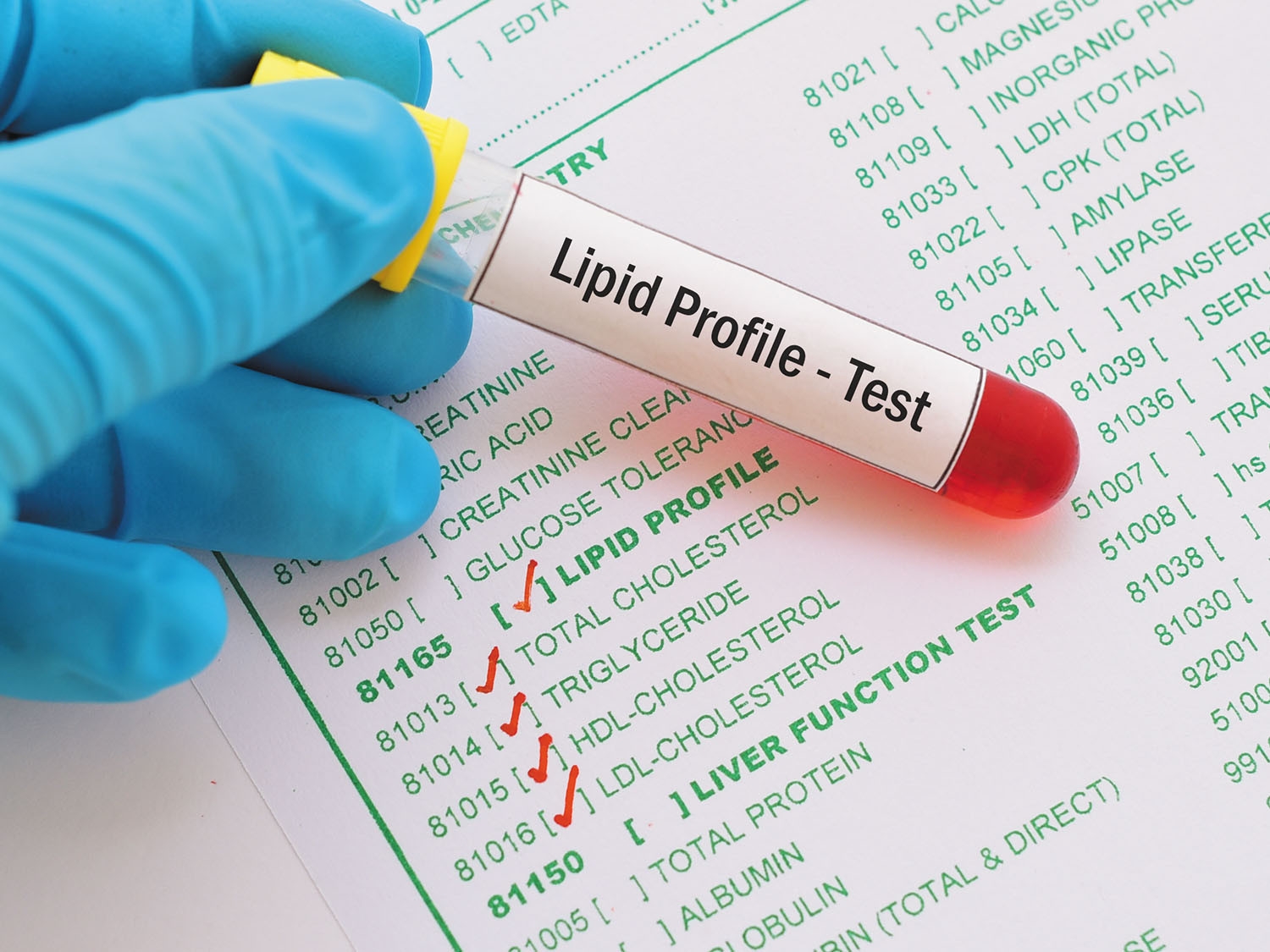
High blood pressure and abnormal cholesterol levels are two important risk factors for cardiovascular disease. Although they affect the body in different ways, they can work together to increase the risk of heart attacks, strokes, and other heart-related complications. Understanding the relationship between a lipid profile test and high blood pressure can help you make informed decisions about your health and take steps to protect your heart.
A Lipid Profile Test in Dubai measures different types of fats in your blood, including total cholesterol, low-density lipoprotein (LDL) cholesterol, high-density lipoprotein (HDL) cholesterol, and triglycerides. Blood pressure measurement, on the other hand, assesses the force of blood pushing against the walls of your arteries.
Neither test provides a complete picture of cardiovascular health on its own. However, when healthcare professionals evaluate cholesterol levels and blood pressure together, they can better assess cardiovascular risk and recommend appropriate lifestyle changes or treatment.
The Connection Between Cholesterol and High Blood Pressure:
Cholesterol and blood pressure are closely linked through their effects on the cardiovascular system. Cholesterol is a fatty substance that the body needs to build cells and produce certain hormones. Problems can arise when specific types of cholesterol, particularly LDL cholesterol, remain elevated over time.
Excess LDL cholesterol can contribute to the formation of plaque inside artery walls. This process, known as atherosclerosis, can narrow the arteries and make them less flexible. As blood vessels become narrower or stiffer, blood flow may be restricted, and blood pressure can become more difficult to control.
High blood pressure also places additional strain on the heart and blood vessels. Over time, this pressure can damage artery walls and increase the risk of cardiovascular complications.
When high cholesterol and hypertension occur together, their combined effects can significantly increase the likelihood of heart disease and stroke. This is why checking both blood pressure and cholesterol levels is an important part of preventive healthcare.
What a Lipid Profile Test Reveals About Your Heart?
A lipid profile test, sometimes called a cholesterol test or lipid panel, provides information about the fats circulating in your bloodstream. These measurements help healthcare professionals identify cholesterol-related risk factors that may contribute to cardiovascular disease.
The test generally includes four main measurements.
1. Total Cholesterol
Total cholesterol represents the overall amount of cholesterol in your blood. It includes cholesterol carried by different lipoproteins.
Although total cholesterol provides a useful starting point, it does not tell the entire story. A person may have a similar total cholesterol level to someone else but a different balance of LDL and HDL cholesterol, resulting in a different cardiovascular risk profile.
2. LDL Cholesterol: The Cholesterol That Can Build Up in Arteries
Low-density lipoprotein cholesterol is often called bad cholesterol because elevated levels can contribute to plaque formation in arteries.
High LDL cholesterol is associated with an increased risk of coronary artery disease, heart attacks, and other atherosclerotic cardiovascular conditions. When combined with high blood pressure, elevated LDL can be especially concerning because both factors contribute to cardiovascular damage through different mechanisms.
3. HDL Cholesterol: A Protective Factor
High-density lipoprotein cholesterol is commonly known as good cholesterol. It helps transport cholesterol away from tissues toward the liver for processing and removal.
HDL is one part of the overall lipid profile, but a high HDL level does not eliminate the risks associated with high LDL cholesterol, hypertension, smoking, or diabetes. Healthcare professionals consider the full pattern of risk factors rather than relying on HDL alone.
4. Triglycerides: Another Important Blood Fat
Triglycerides are a type of fat used by the body for energy. Elevated triglyceride levels may be associated with obesity, insulin resistance, diabetes, excessive alcohol consumption, and diets high in added sugars or refined carbohydrates.
High triglycerides can occur alongside high blood pressure and abnormal cholesterol levels as part of a broader pattern of metabolic risk. When these conditions occur together, a healthcare professional may assess for related problems such as diabetes and metabolic syndrome.
How High Blood Pressure Changes Your Cardiovascular Risk?
High blood pressure, medically known as hypertension, occurs when the force of blood against artery walls remains consistently elevated. It often develops without noticeable symptoms, which is why regular blood pressure checks are essential.
Untreated hypertension can affect several parts of the body.
-
Heart: The heart must work harder to pump blood, potentially contributing to thickening of the heart muscle and heart failure.
-
Arteries: Persistent pressure can damage blood vessels and contribute to arterial stiffness and cardiovascular disease.
-
Brain: Hypertension increases the risk of stroke and can contribute to vascular cognitive problems.
-
Kidneys: High blood pressure can damage the small blood vessels that help the kidneys filter waste.
-
Eyes: Damage to blood vessels in the retina can affect vision.
When a person also has high LDL cholesterol, plaque buildup may further restrict blood flow through the arteries. Together, these conditions can increase overall cardiovascular risk, even when neither problem causes obvious symptoms.
Reading Your Lipid Profile Alongside Blood Pressure Results:
A lipid profile and a blood pressure reading measure different aspects of health. There is no single cholesterol value that determines whether your blood pressure is healthy, and a normal blood pressure reading does not guarantee that your cholesterol levels are within a desirable range.
The following table explains how healthcare professionals commonly interpret these measurements.
| Health measurement | What it indicates | Why it matters |
|---|---|---|
| Total cholesterol | Overall cholesterol carried in the blood | Helps provide a general picture of cholesterol status |
| LDL cholesterol | Cholesterol carried by LDL particles | Elevated levels can contribute to artery plaque |
| HDL cholesterol | Cholesterol carried by HDL particles | Provides additional information about lipid-related risk |
| Triglycerides | A major type of circulating blood fat | May indicate metabolic or lifestyle-related risk |
| Blood pressure | Force of blood against artery walls | Persistent elevation increases strain on the heart and arteries |
For many adults, a total cholesterol level below 200 mg/dL is considered desirable, LDL cholesterol below 100 mg/dL is often an optimal reference for people at lower risk, and triglycerides below 150 mg/dL are generally considered normal when measured in mg/dL. However, individual LDL targets can be considerably lower for people with established cardiovascular disease or certain high-risk conditions.
Blood pressure is classified separately. For example, under American Heart Association categories, a reading below 120/80 mmHg is considered normal, while readings of 130/80 mmHg or higher fall into hypertension categories. Guidelines can differ by country and clinical setting, and diagnosis generally depends on properly measured readings over time rather than one isolated result.
Your healthcare professional can interpret these numbers according to your age, medical history, diabetes status, smoking history, and other risk factors.
Who Should Pay Particular Attention to Cholesterol and Blood Pressure?
Although adults of all ages can develop cardiovascular risk factors, some people benefit from especially careful monitoring.
People With Diabetes
Diabetes can affect blood vessels and is often associated with high triglycerides, low HDL cholesterol, and elevated blood pressure. Regular lipid testing and blood pressure monitoring help identify risks that may require treatment.
Adults With Excess Weight or Limited Physical Activity
Excess body weight and inactivity can contribute to hypertension, insulin resistance, and unhealthy cholesterol levels. Improving physical activity and dietary habits can help address several risk factors at the same time.
People With a Family History of Heart Disease
A family history of early heart disease or inherited high cholesterol may increase cardiovascular risk. These individuals may need earlier or more frequent cholesterol assessment based on medical advice.
Smokers and Older Adults
Smoking damages blood vessels and increases cardiovascular risk. Age also influences overall risk, making routine blood pressure checks and cholesterol screening important components of preventive care.
Practical Ways to Improve Cholesterol and Blood Pressure Together:
The encouraging news is that many lifestyle habits can benefit both cholesterol levels and blood pressure. The most effective approach is usually consistent and sustainable rather than based on short-term changes before a medical test.
Choose a heart-healthy eating pattern. Include vegetables, fruits, whole grains, beans, lentils, nuts, seeds, and sources of unsaturated fats such as olive oil. Oily fish can provide beneficial omega-3 fatty acids. Limit foods high in saturated fat, trans fat, excess sodium, and added sugars.
Reduce sodium intake. Too much sodium can raise blood pressure in many people. Preparing more meals at home, checking food labels, and limiting heavily processed foods can help reduce sodium consumption. The right intake may vary according to individual health needs.
Exercise regularly. Adults are generally encouraged to aim for at least 150 minutes of moderate-intensity aerobic activity each week, or an equivalent amount of vigorous activity, when appropriate for their health. Walking, cycling, swimming, and other enjoyable activities can support heart health and help improve some lipid measurements.
Maintain a healthy weight. Losing excess weight, when appropriate, can help lower blood pressure and improve triglyceride levels. Even modest, sustained weight loss may provide health benefits.
Avoid tobacco and limit alcohol. Smoking cessation improves cardiovascular health. Alcohol can raise blood pressure and triglyceride levels, so avoiding it or reducing intake may be beneficial.
Prioritize sleep and stress management. Consistent sleep, relaxation techniques, and treatment of sleep disorders can support blood pressure management. Persistent stress may also make healthy routines harder to maintain.
Lifestyle changes are valuable, but they do not replace prescribed treatment. Some people need cholesterol-lowering medicines, blood pressure medication, or both to reduce their long-term risk.
When Are Medication and Follow-Up Testing Necessary?
The need for treatment depends on the severity of the abnormal results and the person's overall cardiovascular risk. A healthcare professional may recommend lifestyle changes alone for some people, while others may need medication alongside those changes.
Statins are commonly prescribed to lower LDL cholesterol and reduce the risk of heart attacks and strokes. Other cholesterol-lowering medicines may be considered when statins are not sufficient or suitable. Antihypertensive medications can lower blood pressure through different mechanisms, and the choice depends on individual circumstances.
After starting or changing treatment, your clinician may recommend repeat blood pressure checks and another lipid profile test to assess progress. The timing varies according to the medication, baseline results, and clinical guidelines.
Do not stop or adjust prescribed medication simply because your latest cholesterol or blood pressure result looks better. Improvement may be a sign that the treatment is working.
Frequently Asked Questions:
Can high cholesterol cause high blood pressure?
High cholesterol does not directly cause hypertension in every person. However, elevated LDL cholesterol can contribute to atherosclerosis and arterial stiffness, which may affect blood flow and cardiovascular health. The two conditions also share risk factors, including excess weight, inactivity, and certain dietary patterns.
Can a lipid profile test detect high blood pressure?
No. A lipid profile measures cholesterol and triglycerides in the blood. High blood pressure is identified using a blood pressure monitor. Both assessments are useful because they evaluate different cardiovascular risk factors.
Can cholesterol be high even if blood pressure is normal?
Yes. High cholesterol often causes no symptoms, and a person can have elevated LDL cholesterol despite having normal blood pressure. Both should be checked independently.
How often should I get a lipid profile test?
The recommended frequency depends on age, previous results, family history, medical conditions, and treatment. Healthy adults may need testing at intervals of several years, while people with diabetes, cardiovascular disease, inherited cholesterol disorders, or medication changes may require more frequent monitoring. Follow your healthcare professional's advice.
Does a normal lipid profile mean my heart is healthy?
Not necessarily. A normal lipid profile is reassuring, but it does not rule out all cardiovascular problems. Blood pressure, blood glucose, smoking status, physical activity, family history, and other factors also influence heart health.
Conclusion: Look Beyond One Number to Protect Your Heart
A lipid profile Lab tests and regular blood pressure monitoring provide complementary information about cardiovascular health. Cholesterol measurements help identify lipid-related risks, while blood pressure readings reveal how much force blood places on artery walls. When both are abnormal, the risk of heart disease and stroke can increase.
The best strategy is to understand your results in context, maintain a heart-healthy lifestyle, attend recommended health checks, and follow your clinician's treatment plan. Early identification and consistent management of high cholesterol and hypertension can help reduce long-term cardiovascular risk and support a healthier life.

 English
 Arabic
 French
 Spanish
 Portuguese
 Deutsch
 Turkish
 Dutch
 Italiano
 Russian
 Portuguese (Brazil)
 Greek
