


What Does an Abnormal Anti-Müllerian Hormone Test Result Mean?
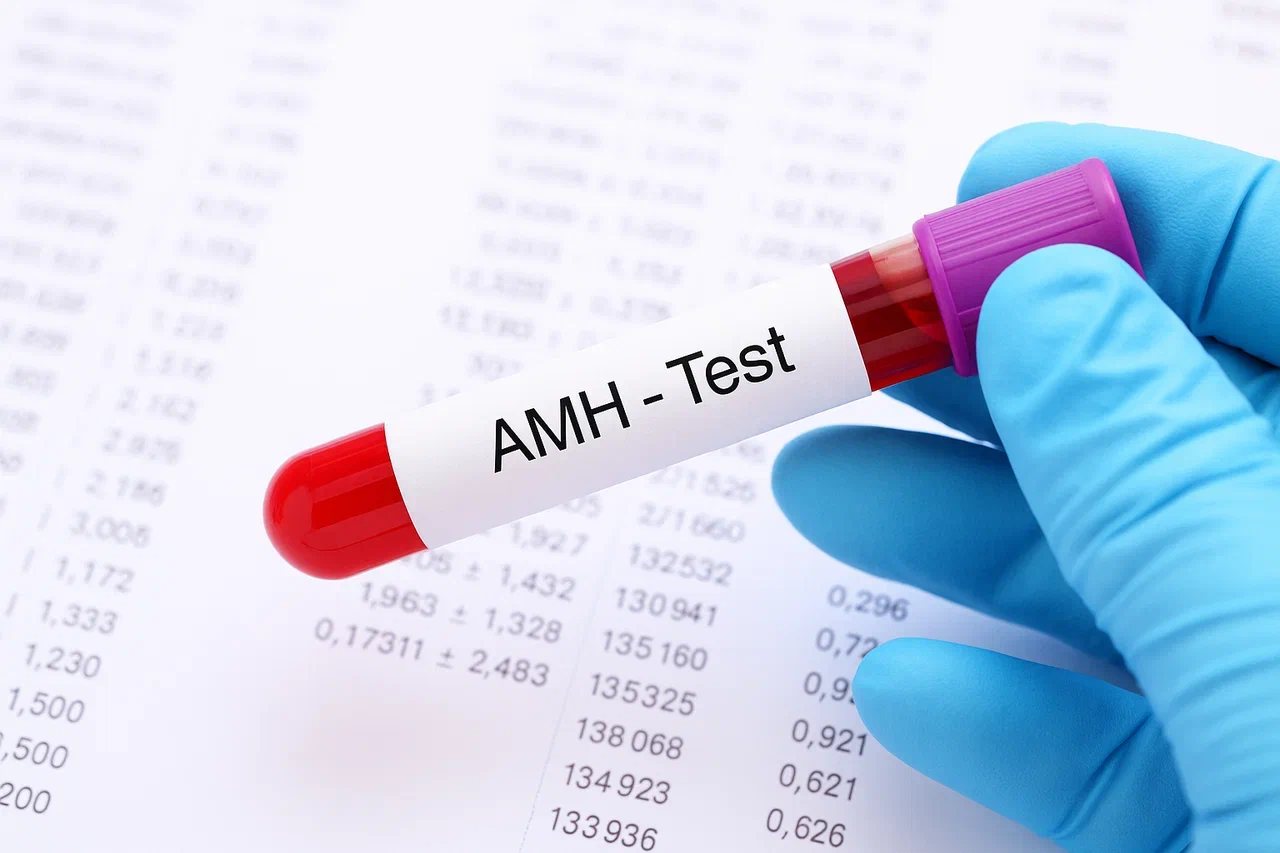
An abnormal Anti-Müllerian Hormone (AMH) test result can raise questions about fertility, ovarian reserve, reproductive health, and future family planning. Whether your AMH level is higher or lower than the laboratory reference range, understanding what the result measures can help you make informed decisions about your health.
The Anti-Müllerian Hormone Test in Dubai measures Anti-Müllerian Hormone, a substance produced by cells in small developing ovarian follicles. Doctors often use this test to estimate ovarian reserve, which refers to the remaining pool of eggs in the ovaries. However, an abnormal result does not automatically mean you have a fertility problem or cannot become pregnant.
The meaning of an abnormal AMH level depends on several factors, including your age, symptoms, medical history, menstrual patterns, medications, and the reason for testing. This guide explains what high and low AMH results may indicate, how doctors interpret them, and what steps you can take next.
Understanding What Counts as an Abnormal AMH Result:
An AMH result is generally considered abnormal when it falls outside the reference interval provided by the testing laboratory or differs from what a clinician would expect in your individual circumstances.
There is no single AMH range that applies to everyone. Levels naturally change with age, and laboratories may use different testing methods and reference intervals. Results may be reported in nanograms per milliliter (ng/mL) or picomoles per liter (pmol/L).
For context, 1 ng/mL is approximately equal to 7.14 pmol/L. When comparing results, always check the measurement units and the reference range printed on your laboratory report.
An out-of-range result is best viewed as a clue rather than a diagnosis. Your healthcare provider will consider the complete clinical picture before recommending further testing or treatment.
High AMH: What Could an Elevated Level Indicate?
A high AMH level usually means that the ovaries have a relatively large number of small developing follicles. Although this may be associated with a higher estimated ovarian reserve, it does not necessarily mean that egg quality is better or that pregnancy will happen more easily.
1. Polycystic Ovary Syndrome (PCOS)
One of the commonly recognized associations with elevated AMH is polycystic ovary syndrome, or PCOS. People with PCOS may have an increased number of small ovarian follicles, which can contribute to higher AMH levels.
Other possible signs of PCOS include:
-
Irregular, infrequent, or absent menstrual periods
-
Acne or increased facial and body hair
-
Difficulty with ovulation
-
Signs of excess androgen hormones
However, high AMH alone cannot diagnose PCOS. A clinician may assess menstrual history, androgen levels, symptoms, and ovarian appearance when appropriate. AMH can contribute to the assessment in some adults, but its use depends on applicable diagnostic guidance and clinical context.
2. A Strong Response to Fertility Medication
AMH is often measured before in vitro fertilization (IVF) or other fertility treatments. Higher levels may predict that the ovaries will respond strongly to medications used to stimulate follicle development.
This information helps fertility specialists plan medication doses and reduce the risk of ovarian hyperstimulation syndrome (OHSS), a potentially serious complication of fertility treatment.
A high AMH result does not guarantee successful IVF. It helps estimate ovarian response, while pregnancy outcomes also depend on factors such as age, egg quality, sperm health, embryo development, and uterine factors.
3. A Naturally Higher Follicle Count
Some people have higher AMH levels without experiencing significant reproductive symptoms. A high result may reflect differences in follicle numbers rather than a medical condition that requires treatment.
The appropriate interpretation depends on age, symptoms, and the purpose of testing.
Low AMH: Does It Mean Reduced Fertility?
A low AMH level can suggest diminished ovarian reserve, meaning the number of remaining eggs is lower than expected for a person's age or falls within a lower range for the laboratory's testing method.
AMH is useful because it provides information about the quantity of eggs remaining in the ovarian follicle pool. However, it does not directly measure egg quality.
What May Cause Low AMH?
Several factors may contribute to a lower AMH result, including:
-
Increasing age: AMH generally declines as ovarian reserve decreases over time.
-
Ovarian surgery: Certain procedures involving ovarian tissue may affect ovarian reserve.
-
Some medical treatments: Chemotherapy and certain other treatments can damage ovarian follicles.
-
Individual variation: AMH levels vary between individuals, even among people of similar ages.
-
Certain ovarian conditions: Some reproductive or medical conditions may be associated with reduced ovarian reserve.
In some cases, a low result appears in someone who has regular menstrual cycles and no obvious symptoms. A clinician may recommend additional evaluation if the result could affect fertility planning or treatment decisions.
Can You Get Pregnant With Low AMH?
Yes. Low AMH does not mean pregnancy is impossible.
AMH is more useful for estimating ovarian reserve and predicting the likely response to ovarian stimulation than for determining whether natural conception will occur. A person with low AMH may still ovulate and conceive naturally.
Age, ovulation, fallopian tube function, sperm health, and other reproductive factors remain important. If pregnancy is a goal, discuss the result with a qualified healthcare professional rather than relying on AMH alone.
Why Your AMH Result Must Be Interpreted in Context?
Two people with the same AMH level may receive different recommendations because their ages, symptoms, and reproductive goals differ.
Consider these examples:
-
A younger adult with low AMH: A clinician may assess whether the result is consistent with age and medical history and whether further evaluation is appropriate.
-
An adult with irregular periods and high AMH: The combination may prompt an assessment for PCOS or other causes of irregular ovulation.
-
Someone preparing for IVF: AMH can help predict the likely response to stimulation medication and support individualized treatment planning.
-
Someone not currently planning pregnancy: An abnormal result may not require immediate treatment, although symptoms or other risk factors could warrant evaluation.
These examples are illustrative rather than diagnostic. An AMH value should never be interpreted without considering the relevant clinical information.
Other Factors That Can Influence AMH Test Results:
Although AMH levels are relatively stable throughout the menstrual cycle compared with some reproductive hormones, several factors can affect interpretation.
Hormonal contraception: Some hormonal contraceptives may lower measured AMH levels in certain users. Do not stop contraception or prescribed medication simply to repeat a test without discussing it with your clinician.
Age and ovarian health: AMH generally decreases with age, but the rate of decline differs between individuals.
Laboratory methods: Different assays and laboratories may produce results that are not directly interchangeable. Comparing tests is most useful when the units and testing methods are understood.
Medical history: Previous ovarian surgery, chemotherapy, and certain reproductive conditions may influence AMH levels or their clinical significance.
Fasting is generally not required for an AMH blood test alone, although the laboratory may give different instructions if other tests are being performed at the same time.
What Happens After an Abnormal AMH Test?
The next step is to understand why the test was ordered and whether the result changes your medical care. Your clinician may recommend one or more of the following approaches.
Review the Complete Laboratory Report
Check your AMH value, units, and laboratory reference interval. Avoid comparing your result with numbers from websites that may use different testing methods or age groups.
Consider Additional Hormone Tests
Depending on your symptoms and goals, your healthcare provider may request follicle-stimulating hormone (FSH), estradiol, thyroid testing, or androgen measurements. These tests answer different questions and may help clarify the findings.
Discuss Pelvic Ultrasound When Appropriate
A pelvic ultrasound may be used to assess the ovaries and estimate the antral follicle count. This can provide additional information when evaluating ovarian reserve, possible PCOS, or fertility treatment options.
Make a Plan Based on Your Goals
If you are trying to conceive, your age, how long you have been trying, menstrual regularity, and other fertility factors help determine the appropriate next steps. If you are considering egg freezing or IVF, a fertility specialist can explain how AMH may influence treatment planning.
An abnormal AMH result does not automatically require medication, surgery, or fertility treatment. Management should address the underlying concern and your individual needs.
Common Questions About Abnormal AMH Results:
Is an abnormal AMH result always a sign of infertility?
No. AMH estimates ovarian reserve and can help predict ovarian response to fertility medication, but it cannot independently determine whether someone can conceive naturally.
Can AMH levels improve naturally?
AMH levels may fluctuate, and some factors can influence measured values. However, there is no established natural method or supplement proven to reliably restore ovarian reserve or reverse age-related egg loss. Be cautious about products claiming to increase AMH.
Does high AMH mean I have PCOS?
Not necessarily. High AMH may occur with PCOS, but diagnosis requires appropriate clinical assessment. Other factors, including age and laboratory methods, also influence the result.
Should I repeat an abnormal AMH test?
Not everyone needs repeat testing. Your clinician may suggest repeating it if the result is unexpected, difficult to interpret, or likely to influence a treatment decision. Using the same laboratory and testing method may help with comparison.
Can AMH predict when menopause will begin?
AMH may be associated with the gradual decline in ovarian reserve, but it cannot accurately predict the exact age at which an individual will reach menopause. It should not be used alone to make that prediction.
The Bottom Line: Use Your AMH Result as Information, Not a Verdict
An abnormal Anti-Müllerian Hormone Lab tests result may indicate a lower or higher estimated ovarian reserve, a possible association with PCOS, or a likely response to fertility medication. Its meaning depends on age, medical history, symptoms, laboratory methods, and reproductive goals.
Most importantly, AMH is not a direct measure of egg quality and cannot independently confirm or rule out natural pregnancy. A low result does not automatically mean infertility, and a high result does not guarantee better fertility.
If your AMH level is outside the laboratory's reference range, review it with a qualified healthcare professional. A personalized assessment can help determine whether further testing, monitoring, or treatment is appropriate and support decisions that fit your health and family-planning goals.

 English
 Arabic
 French
 Spanish
 Portuguese
 Deutsch
 Turkish
 Dutch
 Italiano
 Russian
 Romaian
 Greek
