


How Chronic Wound Management at Home Works for Michigan Patients
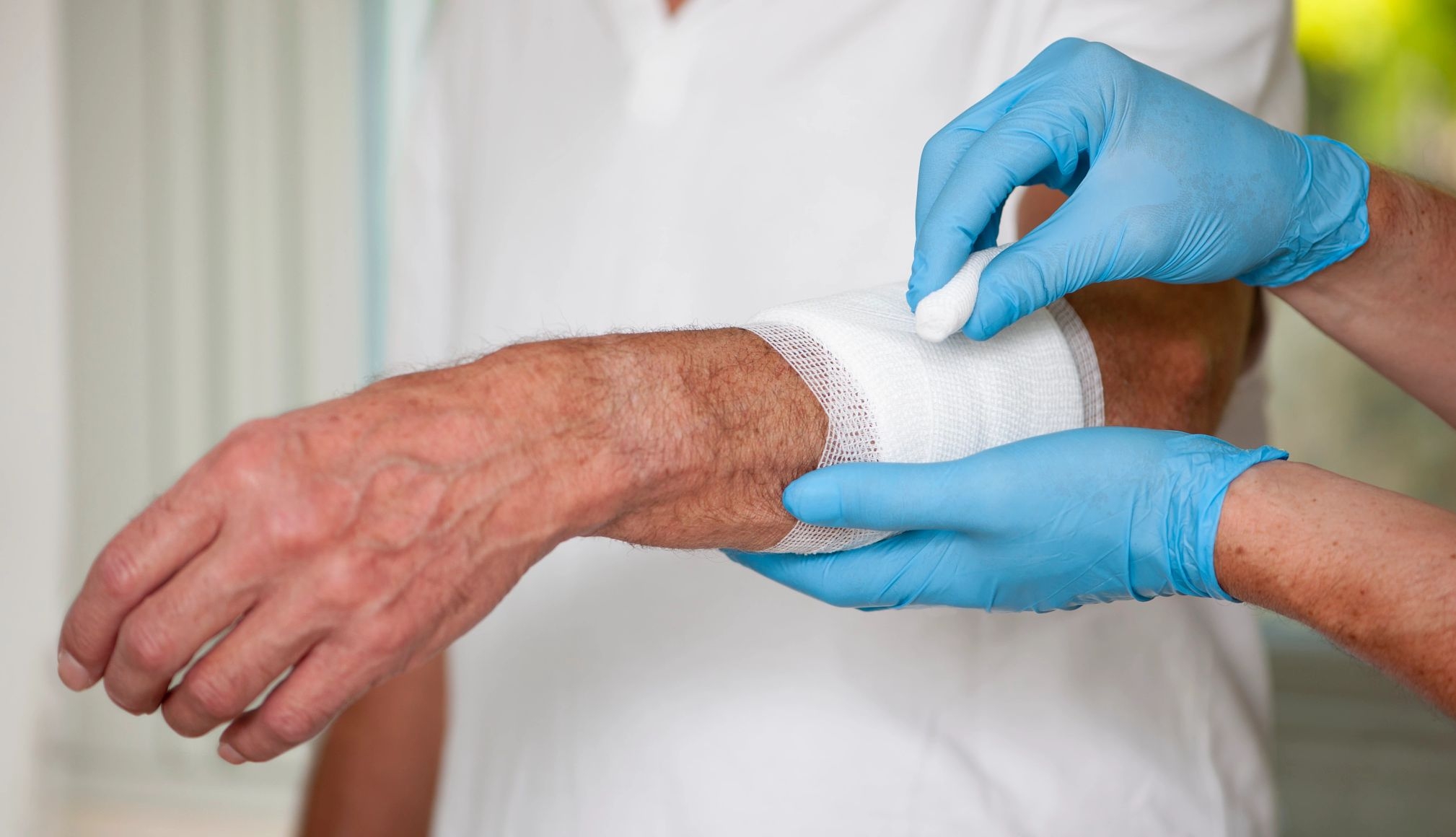
Chronic wounds can affect a person's comfort, mobility, and independence, especially when an injury does not heal as expected. These wounds may develop because of diabetes, poor circulation, pressure injuries, previous surgery, or other health conditions that interfere with normal tissue repair. Chronic wound management at home in Michigan gives eligible patients an opportunity to receive ongoing care in familiar surroundings when traveling to appointments is difficult. With professional guidance, patients and family caregivers can better understand the treatment process, follow recommended instructions, and recognize when a wound needs further medical attention.
Unlike a minor cut that improves with basic first aid, a chronic wound may need repeated assessments and a carefully coordinated treatment plan. A qualified healthcare professional evaluates the wound's size, depth, location, drainage, and surrounding skin while considering the patient's medical history and overall health. This assessment helps identify factors that could delay healing and determines which treatments may be appropriate. Some wounds can be managed safely through home visits, while others require specialist procedures or treatment in a medical facility. The care setting should always reflect the patient's clinical needs and the complexity of the wound.
Step One: Initial Assessment and Personalized Care Planning
The process usually begins with a detailed evaluation of the wound and the patient's health circumstances. A clinician may ask when the wound first appeared, which treatments have already been tried, and whether symptoms such as pain, swelling, or drainage have changed. The wound may be measured and documented to create a baseline for tracking progress during future visits. The healthcare professional may also review medications, circulation, blood glucose management, mobility, and nutrition. Depending on the findings, further testing or referral to a wound care specialist may be necessary before treatment can proceed.
After the assessment, the care team develops a plan suited to the wound's cause, condition, and healing needs. The plan may specify how the wound should be cleaned, which dressing is appropriate, how often it should be changed, and when follow-up visits are needed. It may also include pressure reduction, skin protection, or management of underlying health conditions. Patients and caregivers should receive clear instructions about which tasks they can safely perform at home and which procedures require a trained professional. The plan should be reviewed regularly and adjusted when the wound's condition or the patient's health changes.
Step Three: Regular Wound Treatment and Progress Monitoring
Once treatment begins, follow-up visits help the care team determine whether the wound is responding as expected. Depending on the clinical plan, visits may involve checking the wound, measuring changes, replacing dressings, reviewing symptoms, and adjusting care when necessary. Some patients may need advanced wound treatments, such as compression therapy, negative-pressure wound therapy, or debridement, when clinically appropriate. These treatments require professional assessment and may not be suitable for every patient or available through every home care provider.
Patients and caregivers also contribute to monitoring by following dressing instructions and reporting unexpected changes. Increasing redness, warmth, swelling, pain, unusual drainage, or a wound that grows larger should be discussed promptly with the healthcare team. Fever, rapidly spreading redness, sudden confusion, or signs of severe illness may require urgent medical evaluation. Home wound care should never delay emergency treatment when a serious complication is suspected. Clear instructions about whom to contact between visits help patients respond appropriately when their condition changes.
The Role of Mobile Physician Services in Troy, Michigan
Depending on the provider, a home visit may include a medical assessment, medication review, evaluation of underlying conditions, and coordination with other healthcare professionals. Mobile physician services Troy, Michigan may help patients who have difficulty traveling to a medical office because of chronic illness, mobility limitations, or recovery needs. For chronic wounds, physician involvement can help address factors such as diabetes, circulation problems, or other health concerns that may interfere with healing. Families should verify which services are offered and whether the patient's condition can be managed safely at home.
A coordinated care approach can make ongoing treatment easier to understand and manage. Physicians, wound care nurses, specialists, and family caregivers may each contribute to different parts of the care plan, depending on their qualifications and responsibilities. For example, Henry Ford Health describes home-based wound care services that include wound assessment, follow-up, pressure injury prevention planning, and education for patients and families. The services available to an individual patient depend on eligibility, clinical needs, and provider availability.
Preparing the Home and Supporting Long-Term Healing
A suitable home care area should be clean, well lit, and organized so the clinician can assess and treat the wound safely. Keep recommended supplies together and follow instructions for hand hygiene, dressing changes, and protecting the affected area. If pressure contributes to the wound, ask the healthcare professional about appropriate positioning, cushions, or support surfaces. Nutrition and hydration may also influence healing, although dietary advice should account for conditions such as diabetes or kidney disease. Patients should not change prescribed treatments or use unapproved wound products without professional guidance.
Before a home visit, prepare a list of medications, allergies, existing medical conditions, and previous wound treatments. Record when the wound developed and note changes in its size, appearance, drainage, or discomfort. Ask how often follow-up is expected, how progress will be measured, and whom to contact if the wound worsens between visits. It is also helpful to discuss referral requirements, insurance coverage, and potential out-of-pocket costs before care begins. These steps help patients and caregivers understand their responsibilities and make the care process easier to coordinate.
Conclusion
Chronic wound management at home in Michigan provides an option for eligible patients who need ongoing professional wound care but find repeated travel challenging. The process typically involves an initial assessment, a personalized treatment plan, regular monitoring, and education for patients and caregivers. Mobile physician services Troy, Michigan, may complement wound care by helping manage underlying medical conditions and coordinate treatment when a home visit is appropriate. The right care plan depends on the wound's cause and severity, the patient's overall health, and the services available.
If a wound remains open, worsens, or develops signs of possible infection, contact a qualified healthcare professional promptly. Seek urgent or emergency care for uncontrolled bleeding, rapidly spreading redness with severe symptoms, sudden confusion, or other signs of a medical emergency. Consistent follow-up, careful observation, and clear communication with the care team can help patients make informed decisions throughout treatment. With the right professional support, home-based wound management can provide a practical, coordinated approach to ongoing care while keeping patient safety at the center of every decision.

 English
 Arabic
 Spanish
 Portuguese
 Deutsch
 Turkish
 Dutch
 Italiano
 Russian
 Romaian
 Portuguese (Brazil)
 Greek
