


HAZOP for Oil and Gas Projects: Common Process Hazards and Safeguards
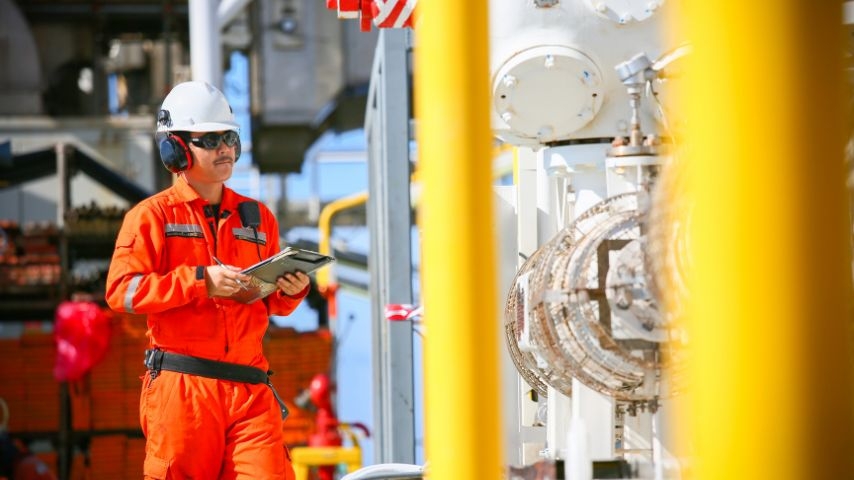
A HAZOP for an oil and gas project should focus on the ways hydrocarbons can be released or mismanaged: overpressure, loss of containment, gas blow-by between high- and low-pressure systems, liquid carry-over into gas equipment, high level and overfill, loss of cooling or heating, flare and relief system limits, corrosion and erosion, low-temperature effects during depressurisation, ignition of released material and failures of the control, shutdown and fire and gas systems that are meant to prevent or limit escalation. For each hazard, the study asks what could cause the deviation, what the consequences would be and whether the safeguards, such as relief devices, alarms, trips, emergency shutdown, blowdown and detection, are independent, adequate and well maintained.
Oil and gas facilities handle flammable materials at high pressure and often at high temperature, sometimes with toxic components such as hydrogen sulphide. Consequences of loss of containment can include fire, explosion, toxic release, environmental damage and long outages, which is why structured hazard studies are a standard part of project and operations practice. The HAZOP method, described in the IEC 61882 application guide and in CCPS hazard evaluation guidance, is a primary tool, usually supported by earlier hazard identification studies and followed, where needed, by safety integrity and protection layer analysis.
This article describes common process hazards and safeguards by system, shows typical deviations a team might examine, and presents the different views practitioners hold on how HAZOP should be applied in oil and gas projects. It is general guidance based on standard process safety practice. It is not a substitute for a site-specific study, and each facility's design, operator standards and regulatory requirements must be confirmed.
Why Is HAZOP Central to Oil and Gas Projects?
HAZOP is central because oil and gas processes combine high energy, flammable inventories and complex interactions between systems, and the method gives a team a disciplined way to examine every node for credible deviations. Its findings drive design changes, safeguards and operating procedures before and after start-up.
It is typically carried out when the P&IDs are mature enough for line-by-line review, and revisited for modifications and as periodic revalidation. Many operators and clients define when HAZOP must be carried out and to what standard, so project teams should check the operator's technical standards and contractual requirements in addition to any legal duties.
How Does HAZOP Relate to Earlier Studies?
Earlier hazard identification studies, often called HAZID, look at concept-level hazards and design options. HAZOP follows when the process is defined in more detail. Later studies, such as safety integrity level determination and layer of protection analysis, may quantify or assess the adequacy of protection for higher-risk scenarios identified in the HAZOP.
What Regulatory Context Applies in Malaysia?
Where facilities operate in Malaysia, obligations may arise under the Occupational Safety and Health Act 1994, the Control of Industrial Major Accident Hazards (CIMAH) Regulations 1996 for qualifying installations and operator or client technical standards. Operators should confirm their classification and requirements with the Department of Occupational Safety and Health (DOSH) and their stakeholders.
What Are the Common Process Hazards in Oil and Gas Facilities?
Common hazards include overpressure, loss of containment, gas blow-by, liquid carry-over, overfill, loss of cooling, relief and flare limitations, corrosion and erosion, low-temperature embrittlement, ignition and escalation. Each hazard arises from specific deviations in specific systems.
What Is Overpressure and How Does It Arise?
Overpressure occurs when pressure exceeds the design rating of piping or equipment. Typical causes include blocked outlets, closed or failed control valves, pressure control loop failures, thermal expansion of trapped liquid, external fire, gas breakthrough from higher-pressure systems and runaway reactions or heat input. Consequences can include relief valve lifting, rupture and loss of containment.
What Is Gas Blow-By?
Gas blow-by occurs when gas passes from a high-pressure vessel into a lower-pressure system because liquid level is lost or a liquid dump valve fails open. The downstream system may not be designed for the full gas flow or pressure, and the relief or flare system may be overloaded. HAZOP teams usually examine level control failure, low-level protection and downstream relief capacity.
What Is Liquid Carry-Over?
Liquid carry-over happens when liquids enter gas systems, for example from a separator that is overfilled or inadequately designed. It can damage compressors, flood flare headers or overload downstream equipment. Typical safeguards include level alarms and trips, separator design, scrubbers, and compressor protection.
What Is High Level and Overfill?
High level and overfill occur when liquid inventory exceeds the intended range in vessels or tanks. Consequences can include liquid carry-over, overflow to atmosphere, overload of drains and flare knock-out drums. Safeguards usually include independent high-level alarms and trips, and in tanks, overfill protection.
What Is Loss of Containment?
Loss of containment is the release of hazardous material from piping or equipment through leaks, ruptures, seal failures or open connections. Causes include corrosion, erosion, mechanical damage, maintenance errors, gasket and flange failures, vibration and overpressure. Consequences depend on the material, pressure, location and ignition sources.
What Are Low-Temperature Effects?
When pressurised hydrocarbon gas or liquefied gas is depressurised rapidly, it can cool significantly, potentially pushing materials below their minimum design temperature and creating a risk of brittle fracture. HAZOP teams should consider blowdown, relief and leakage scenarios and whether materials and procedures account for low temperatures.
What Are Corrosion and Erosion Hazards?
Process fluids containing carbon dioxide, hydrogen sulphide, water, chlorides or sand can corrode or erode piping and equipment, leading to leaks over time. These degradation mechanisms are not always visible in simple deviation analysis, so teams should draw on corrosion studies, inspection history and material selection reports.
What Hazards Arise in Specific Oil and Gas Systems?
Different systems present different hazards, so HAZOP nodes should reflect the main process areas. The examples below are illustrative and must be adapted to the actual design.
What Hazards Arise in Separation Systems?
Separators handle mixtures of gas, oil and water at pressure. Hazards include high pressure from blocked gas outlet, high level leading to liquid carry-over, low level leading to gas blow-by, foaming, slugging, sand accumulation and corrosion. Safeguards typically include pressure and level instrumentation, high and low alarms and trips, pressure safety valves and shutdown systems.
What Hazards Arise in Gas Compression?
Compressors involve high-speed rotating equipment, high-pressure gas and often complex control systems. Hazards include liquid ingestion, surge, loss of lubrication or seal gas, overheating, high discharge pressure, vibration and seal leakage. Safeguards include scrubbers with level protection, anti-surge control, vibration monitoring, trips on low lubrication or high temperature and relief on discharge systems.
What Hazards Arise in Glycol Dehydration and Gas Treatment?
Glycol systems, amine units and similar treating systems involve hot liquids, flammable gas and sometimes toxic components. Hazards include loss of flow, overheating, foaming, carry-over of glycol or amine into other systems, leaks of acid gas and thermal expansion. Safeguards include temperature and level control, trips, relief and detection of toxic or flammable gas where relevant.
What Hazards Arise in Flare and Relief Systems?
Flare and relief systems are the last line of defence for overpressure, but they have limits. Deviations to consider include simultaneous relief from multiple sources, liquid carry-over into the flare header, back-pressure limiting relief valve capacity, ignition failure and blocked or damaged flare lines. HAZOP teams should confirm the design basis for relief loads and the effect of back pressure.
What Hazards Arise in Pipelines and Risers?
Pipelines can suffer from corrosion, third-party damage, pressure surges, slugging, blockage by hydrates or wax and pig launcher or receiver operation errors. Safeguards include pressure monitoring, leak detection, isolation valves, pigging procedures, corrosion monitoring and emergency shutdown valves.
What Hazards Arise in Storage and Loading?
Storage tanks and loading facilities involve overfill, tank damage, vapour release, static and ignition, and transfer errors. Safeguards include level instrumentation, overfill protection, venting arrangements, bunding, earthing and bonding, and operating procedures.
What Hazards Arise in Utilities and Support Systems?
Utilities such as cooling water, instrument air, power, nitrogen and fuel gas can fail and cause process upsets. HAZOP should include consequences of utility loss and the design response, including fail-safe positions of valves and the availability of backup supply.
What Safeguards Are Commonly Considered?
Safeguards fall into preventive, detective and mitigating categories, and the team must judge whether each is independent, reliable and adequate for the consequence. Naming a safeguard is not the same as crediting it.
What Are Preventive Safeguards?
Preventive safeguards include sound mechanical design, correct material selection, process control loops, alarms with defined operator response, interlocks and trips, check valves, procedures and training. Their purpose is to stop a deviation from becoming a release.
What Are Protective and Instrumented Safeguards?
Protective safeguards include pressure safety valves, rupture discs, high-integrity pressure protection systems where used, safety instrumented functions and emergency shutdown systems. The required reliability of instrumented functions is typically determined through a separate assessment, and HAZOP often identifies where one is needed.
What Are Mitigating Safeguards?
Mitigating safeguards limit consequences after a release. They include fire and gas detection, blowdown systems, deluge and firewater systems, passive fire protection, bunds and drains, emergency response arrangements and layout and separation distances.
How Do Teams Judge Whether a Safeguard Counts?
Teams commonly ask whether a safeguard is independent of the cause, effective against the scenario, reliable in practice, auditable and maintained. An alarm that depends on the same instrument that failed, or a procedure that relies on an unrealistic operator response time, may not deserve full credit.
How Should a HAZOP for an Oil and Gas Project Be Organised?
Organise the study around well-defined nodes, accurate P&IDs, a multidisciplinary team and the operator's risk matrix, and make sure the output feeds the design and operating decisions. The usual preparation rules apply, with some project-specific points.
What Documents Matter Most?
Key documents include P&IDs, process flow diagrams, heat and material balances, cause and effect diagrams, relief and blowdown studies, equipment data sheets, control philosophy, hazardous area classification, materials selection and corrosion reports, and prior HAZID outputs. Missing or outdated documents slow the study and weaken findings.
Who Should Be on the Team?
A trained facilitator and scribe, process and design engineers, operations representatives, instrument and control, mechanical and maintenance, and safety specialists. For complex facilities, vendors of packaged equipment and specialists in relief systems or corrosion may join for relevant nodes.
How Should Interfaces and Modes Be Handled?
Include start-up, shutdown, emergency shutdown, maintenance and abnormal modes in scope, as well as interfaces between units, packages and utilities. Many incidents occur in non-steady modes or at interfaces that no single team owns.
How Should Recommendations Be Tracked?
Assign owners and deadlines, classify actions by priority and link them to management of change, the risk register and any later studies. Decide which actions must be closed before start-up and document the rationale for any that are deferred.
What Are the Different Views on HAZOP in Oil and Gas Projects?
Practitioners agree that HAZOP is essential, but they differ on how it should be sequenced, how deep it should go and how far it should rely on other methods. These views reflect project scale and risk.
What Do Advocates of Early and Repeated Studies Say?
Advocates argue that hazard studies should start early in design, including preliminary HAZOPs, so that fundamental safety choices are made when changes are cheap. They see multiple study stages as a way to avoid late and costly redesign.
What Do Advocates of a Single Detailed HAZOP Say?
Others argue that a single well-prepared HAZOP at the right maturity point, supported by good design reviews and earlier HAZID, is more efficient than repeated partial studies. They stress that drawings must be stable for the study to be productive.
What Do Critics of Over-Reliance on HAZOP Say?
Some experts caution that HAZOP is not designed to find every hazard, such as complex combinations of failures or issues rooted in organisational factors, and that other analyses and strong operational discipline are essential. They advise treating HAZOP as one layer within a wider process safety system.
FAQ: Common Questions About HAZOP for Oil and Gas Projects
When Should a HAZOP Be Done in an Oil and Gas Project?
Typically when the P&IDs are mature enough for line-by-line review, usually in detailed design, with earlier hazard identification at concept stage and revalidation during operations.
Which Hazards Are Most Common in HAZOP Findings?
Overpressure, gas blow-by, liquid carry-over, overfill, loss of containment and relief system limitations are among the most frequently examined, though results depend on the design.
Do All Safeguards Get Full Credit?
No. Teams assess independence, effectiveness and reliability, and may give limited or no credit to safeguards that share a failure cause with the initiating event.
What Happens After the HAZOP?
Recommendations are assigned and tracked, some may require further analysis such as safety integrity level determination, and actions needed for safe start-up must be closed before the plant runs.
Is HAZOP Enough on Its Own?
No. It works alongside design review, HAZID, other hazard studies, management of change and operational controls.
Who Sets the Requirements?
Requirements come from law, operator or client technical standards, contracts and company procedures. Confirm which apply to your project.
Conclusion
Oil and gas HAZOP is about asking, system by system, how hydrocarbons could escape control and whether the safeguards would really stop them. Overpressure, blow-by, carry-over, overfill, containment, relief limits, low-temperature effects and the reliability of shutdown and detection systems are the recurring themes.
Projects that prepare well, involve operations, challenge safeguard credits and track recommendations to closure get far more value from the study. Treat the examples in this article as discussion prompts, confirm the legal and operator requirements that apply, and rely on a competent facilitator and process safety specialists for the actual study.

 English
 Arabic
 French
 Spanish
 Portuguese
 Deutsch
 Turkish
 Dutch
 Italiano
 Russian
 Romaian
 Portuguese (Brazil)
