


What Is Fiberglass? Uses, Benefits, and Properties
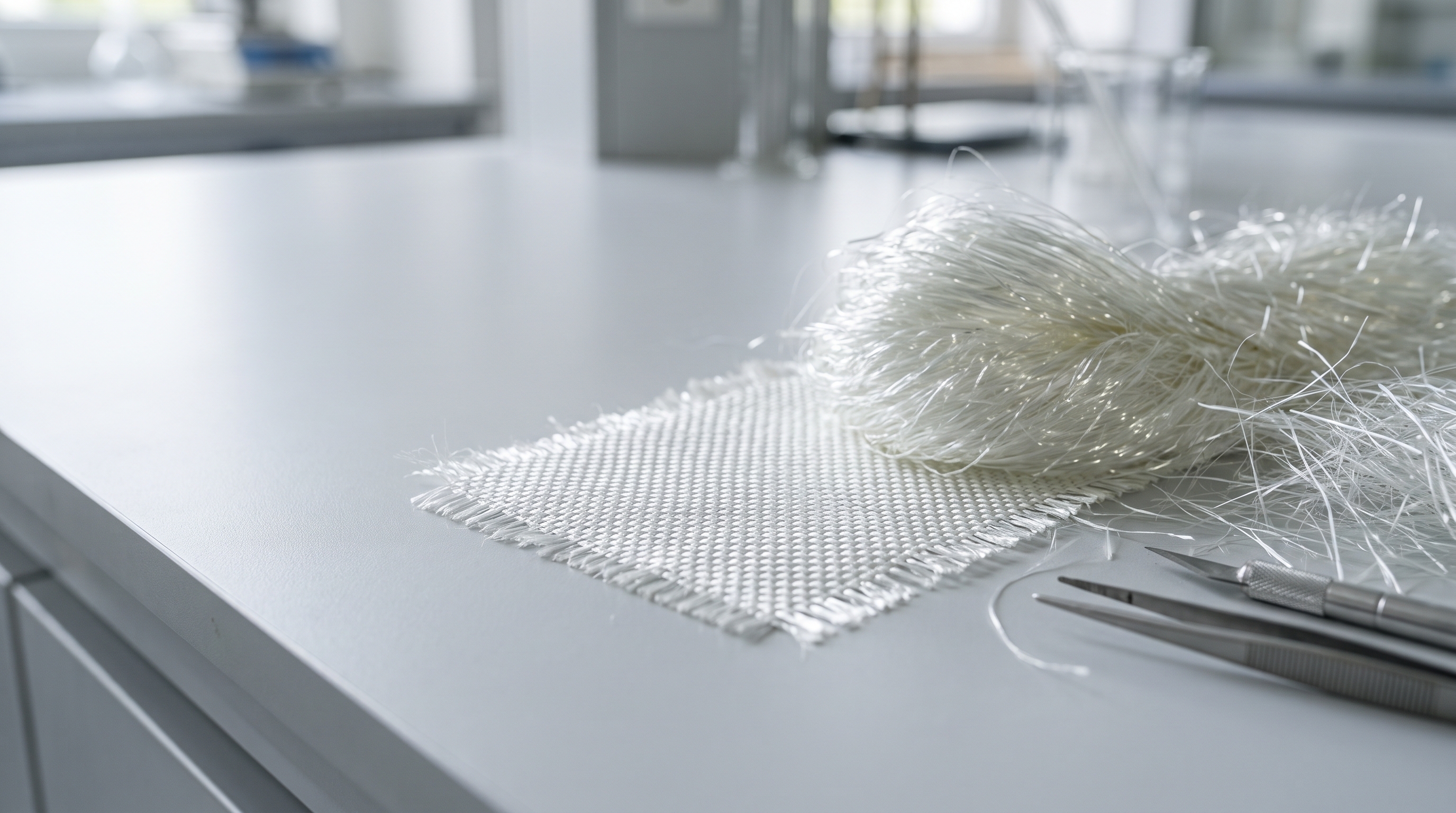
What is fiberglass? Fiberglass is a versatile material made from extremely thin glass fibers that can be combined with resin to create a strong, lightweight, and durable product. It is widely used in construction, automotive manufacturing, marine equipment, insulation, electrical components, and household products. Fiberglass is popular because it offers a useful balance of strength, weight, corrosion resistance, and design flexibility. Depending on its composition and manufacturing process, it can be soft and fluffy like insulation or hard and rigid like a boat hull. Understanding what fiberglass is, how it is made, and where it is used helps explain why this material is important in modern manufacturing and everyday life.
What Is Fiberglass Made Of?
Fiberglass is primarily made from glass fibers produced by melting silica-based raw materials and drawing the molten glass into very fine strands. These raw materials may include silica sand, recycled glass, limestone, soda ash, and other mineral ingredients. Their proportions depend on the type of glass fiber being manufactured and the properties required for the finished product. In structural applications, the glass fibers are often combined with resin, such as polyester, epoxy, or vinyl ester, which binds the fibers together and forms a solid composite. Fiberglass insulation has a different structure and may use a binder to hold the fibers together. Therefore, the exact composition of fiberglass varies according to its intended purpose.
How Is Fiberglass Manufactured?
Fiberglass manufacturing begins by preparing and mixing the raw materials needed to produce a suitable glass composition. The mixture is heated in a furnace until it melts into a uniform liquid. The molten glass is then passed through tiny openings in specialized equipment and drawn into thin filaments. After cooling, the fibers are collected and processed into different forms, including woven fabrics, continuous strands, chopped fibers, mats, and insulation. When manufacturers produce structural fiberglass composites, they combine the fibers with resin and allow the resin to cure. This process creates a solid material that can be molded into different shapes. Manufacturing methods and material combinations vary according to the product's required strength, flexibility, durability, and performance.
What Are the Main Properties of Fiberglass?
Fiberglass has several useful properties that make it suitable for residential, commercial, and industrial applications. It is relatively lightweight, offers a good strength-to-weight ratio, and does not rust like iron or steel. Many fiberglass composites also resist moisture and corrosion when the appropriate resin and protective system are used. Glass fibers have useful electrical insulating properties, making them valuable in electrical equipment and specialized components. Fiberglass can also be molded into complex shapes, allowing manufacturers to create products that would be difficult to produce from some traditional materials. However, its performance depends on the fiber arrangement, resin type, manufacturing quality, and operating environment, so not every fiberglass product has identical characteristics.
What Are the Different Types of Fiberglass?
Fiberglass is available in different forms and compositions to meet the needs of various industries. E-glass is widely used for general-purpose reinforcement and electrical insulation, while S-glass is designed for applications that require high mechanical strength. C-glass is associated with improved resistance to certain chemical environments. Fiberglass insulation is manufactured from fine glass fibers arranged to trap air and reduce heat transfer. Structural fiberglass products may contain woven glass fabric, chopped fibers, or layered reinforcement combined with resin. Each type offers different properties, and the right choice depends on the intended application. Manufacturers consider factors such as strength, weight, chemical exposure, temperature conditions, and cost when selecting a suitable fiberglass material.
What Is Fiberglass Used For?
Fiberglass is used in many industries because it can provide strength, durability, and design flexibility without the weight of some conventional materials. In construction, it is used for insulation, roofing panels, doors, wall components, and reinforced building products. Automotive manufacturers use fiberglass composites for body panels and specialized vehicle parts. Marine industries use it to manufacture boat hulls, decks, and protective components. Fiberglass-reinforced plastic is also used in industrial pipes, storage tanks, electrical enclosures, and equipment exposed to moisture or corrosive environments. Household products, sporting equipment, bathroom fixtures, and decorative panels may also contain fiberglass. Its wide range of applications demonstrates how manufacturers can adjust its composition and structure to suit different requirements.
Fiberglass in Construction and Buildings
Fiberglass is an important material in the construction industry because it can provide insulation and reinforcement for different building applications. Fiberglass insulation is commonly installed in walls, ceilings, roofs, and other spaces where reducing heat transfer is important. Its fine fibers trap air, helping improve indoor comfort and support energy efficiency. Other fiberglass products are used in roofing panels, doors, wall systems, and reinforced components. These materials can be useful in environments where corrosion resistance and low weight are desirable. However, the correct product must be selected according to building requirements, fire performance, moisture exposure, and installation conditions. Proper installation is essential for achieving the expected performance and maintaining the safety of the building.
Fiberglass in Cars, Boats, and Transportation
Fiberglass composites are widely used in transportation because they can offer a useful combination of strength and low weight. Automotive applications include body panels, covers, interior components, and specialized vehicle parts. In the marine industry, fiberglass is commonly used for boat hulls, decks, and other components that need to withstand exposure to water. Suitable fiberglass composites can resist corrosion and can be shaped into complex designs. The material is also used in recreational vehicles and other transport equipment. However, fiberglass is not immune to damage. Strong impacts, poor manufacturing, and prolonged exposure to unsuitable conditions can cause cracks or deterioration. Regular inspection and appropriate maintenance help preserve the durability and performance of fiberglass components.
What Are the Benefits of Fiberglass?
Fiberglass offers several benefits that make it an attractive choice for manufacturers and consumers. Its relatively low weight can help reduce the overall mass of products, while its reinforcing fibers provide useful mechanical strength. Unlike ordinary steel, fiberglass does not rust, and suitable composite formulations can provide good resistance to moisture and many corrosive environments. It can be molded into different shapes, giving designers flexibility when creating specialized products. Fiberglass also provides useful electrical insulation and can be used in applications that require nonconductive materials. Its versatility allows manufacturers to develop products for construction, transportation, marine equipment, and industrial facilities. The actual benefits depend on the particular fiberglass formulation and how the finished product is designed, manufactured, and maintained.
What Are the Disadvantages of Fiberglass?
Although fiberglass has many advantages, it also has limitations. Loose fibers and dust can irritate the skin, eyes, and respiratory tract during handling, cutting, drilling, or sanding. Some fiberglass composites can crack or delaminate after an impact, and damaged products may require specialized repair methods. Recycling can also be challenging because glass fibers are often permanently bonded to cured resin. In addition, not every fiberglass product is suitable for every chemical, temperature, or structural load. Some resin systems may degrade under prolonged exposure to ultraviolet light or harsh environmental conditions unless suitable protection is provided. Understanding these disadvantages helps users select an appropriate product and follow the correct safety, installation, and maintenance procedures.
Is Fiberglass Safe to Handle?
Fiberglass can be handled safely when suitable precautions are followed, but exposure to loose fibers and airborne dust can cause irritation. Workers who install insulation or cut and repair fiberglass composites should use appropriate protective equipment, which may include gloves, protective clothing, safety goggles, and suitable respiratory protection. Good ventilation and dust-control methods can help reduce exposure during work. It is also important to follow the manufacturer's safety instructions and read the relevant product information before handling fiberglass or resin. Uncured resins and hardeners may present additional hazards, including skin irritation and allergic sensitization. If fiberglass particles enter the eyes, rinse them carefully with clean water. Persistent irritation or breathing symptoms should be assessed by a healthcare professional.
Is Fiberglass Waterproof?
Fiberglass itself is generally resistant to water, but the water resistance of a finished fiberglass product depends on its construction, resin system, coatings, and condition. Properly manufactured fiberglass composites are widely used in boats, tanks, pipes, and other products exposed to moisture. However, cracks, damaged coatings, poorly sealed joints, and manufacturing defects may allow water to enter certain structures. Repeated moisture exposure can also affect associated materials or contribute to damage in unsuitable applications. Fiberglass insulation behaves differently because its performance depends on the structure of the fibers and the air trapped within them. Choosing a product designed for the intended environment and maintaining it properly helps improve its long-term performance.
How Does Fiberglass Compare With Other Materials?
Fiberglass is often compared with steel, aluminum, wood, and carbon fiber because these materials are used in similar applications. Compared with steel, fiberglass can offer lower weight and better resistance to rust, although steel may be preferable for certain heavy structural loads and applications requiring high stiffness. Aluminum is also lightweight and recyclable, but its cost and performance differ according to the grade and application. Wood can be easier to work with for some projects, while fiberglass may provide better resistance to moisture in appropriately designed products. Carbon fiber can offer higher stiffness and excellent strength-to-weight performance but is often more expensive. The best material depends on the project's requirements, operating conditions, budget, and maintenance needs.
Can Fiberglass Be Recycled?
Fiberglass recycling is possible, but it can be more complicated than recycling materials that consist of a single substance. Many fiberglass composites contain glass fibers permanently bonded to cured resin, making the materials difficult to separate. Some recycling processes grind fiberglass waste for use as filler or reinforcement in other products. Specialized thermal and chemical methods may recover or reuse certain components, depending on the material and available technology. Fiberglass insulation and manufacturing waste may also be handled through suitable recovery processes where facilities are available. Recycling options vary by product type and location, so users should follow local waste-management requirements. Reducing waste, maintaining products, and selecting durable materials can also help limit unnecessary disposal.
Frequently Asked Questions About Fiberglass
What Is Fiberglass in Simple Words?
Fiberglass is a material made from very thin strands of glass. These strands can be used alone in insulation or combined with resin to produce strong, lightweight composite products. It is commonly found in buildings, boats, vehicles, pipes, and household items.
Is Fiberglass Made From Plastic or Glass?
Fiberglass contains glass fibers, but many structural products also contain plastic resin. The glass provides reinforcement, while the resin holds the fibers together. Fiberglass insulation is different because it mainly consists of glass fibers and may use a separate binder.
Is Fiberglass Stronger Than Steel?
Fiberglass can have a favorable strength-to-weight ratio, meaning it can provide useful strength without adding as much weight as some metals. However, it is not stronger than steel in every situation. Performance depends on the type of strength being measured, fiber orientation, material grade, and product design.
Does Fiberglass Rust?
Fiberglass does not rust like iron or steel because its glass fibers are not made of iron. However, the resin, coatings, joints, and other materials used in a fiberglass product can deteriorate under unsuitable conditions. Proper material selection and maintenance remain important.
Is Fiberglass Used for Home Insulation?
Yes, fiberglass is widely used for home insulation. Its fine fibers trap air and help slow heat transfer through walls, ceilings, roofs, and other building spaces. Correct installation helps improve thermal performance and indoor comfort.
Can Fiberglass Break Easily?
Fiberglass does not necessarily break easily, but its resistance to damage depends on the design, thickness, reinforcement, resin, and type of force applied. Some products can crack or delaminate after a strong impact, while properly designed composites can remain durable under their intended operating conditions.
Is Fiberglass Environmentally Friendly?
Fiberglass can provide environmental benefits through long service life, reduced product weight, and improved building insulation. However, manufacturing requires energy, and recycling some cured composites is difficult. Its overall environmental impact depends on raw materials, production methods, durability, energy savings, and disposal options.
What Is the Difference Between Fiberglass and Glass Fiber?
Glass fiber refers to the thin strands of glass used as reinforcement or in insulation. Fiberglass is often used as a broader term for products made from these fibers, particularly composites in which glass fibers are combined with resin. The meaning depends on the context and the product being discussed.
Conclusion
Fiberglass is a versatile material made from extremely thin glass fibers that may be combined with resin to produce strong and lightweight composite products. It is widely used in construction, insulation, transportation, marine equipment, electrical components, and industrial applications because of its useful strength-to-weight ratio, corrosion resistance, and design flexibility. Different types of fiberglass are manufactured to meet specific performance requirements, so their composition and properties can vary considerably. Although fiberglass offers many benefits, it requires proper handling, appropriate installation, and suitable maintenance. Understanding what fiberglass is and how it works helps consumers, builders, and manufacturers choose the right product for their needs.

 English
 Arabic
 French
 Spanish
 Portuguese
 Deutsch
 Turkish
 Dutch
 Russian
 Romaian
 Portuguese (Brazil)
 Greek
