


Laser Cleaning Machine: A Smart Solution for Industrial Surface Cleaning
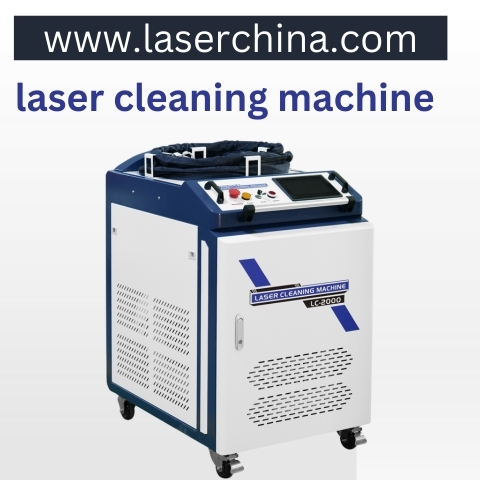
A laser cleaning machine is an advanced solution designed to remove rust, paint, oil, grease, oxide layers, and other unwanted contaminants from various surfaces. Using focused laser energy, this innovative technology helps industries achieve clean, precise, and professional results across a wide range of applications. From metal fabrication and automotive manufacturing to aerospace, machinery maintenance, and restoration projects, laser cleaning offers a modern approach to surface preparation.
lasercleaner provides solutions for businesses seeking efficient, accurate, and dependable laser cleaning technology. By combining advanced laser systems with practical industrial applications, lasercleaner helps manufacturers improve cleaning processes, maintain surface quality, and support higher productivity.
How Does a Laser Cleaning Machine Work?
A laser cleaning machine uses concentrated laser pulses or a continuous laser beam to interact with unwanted materials on a surface. The laser energy helps remove contaminants through controlled processes such as ablation, allowing operators to clean targeted areas with excellent precision.
The process can be adjusted according to the material, contaminant, and cleaning requirements. For example, removing rust from steel may require different settings than cleaning an aluminum component or stripping paint from a metal part. With suitable parameters, laser cleaning can help preserve the underlying material while delivering consistent results.
This level of control makes laser cleaning technology valuable for manufacturers that need accurate surface preparation before welding, painting, coating, bonding, or other production operations.
Key Advantages of a Laser Cleaning Machine
One of the most important advantages of a laser cleaning machine is its ability to provide targeted cleaning. Operators can focus the laser on specific areas without unnecessarily affecting surrounding surfaces. This is especially useful when working with detailed components, precision parts, and complex industrial equipment.
Another major benefit is process consistency. With properly configured settings, laser cleaning can produce repeatable results across multiple components. Consistent surface preparation helps businesses maintain quality standards and establish reliable production workflows.
Laser cleaning can also reduce dependence on traditional abrasive cleaning methods and certain chemical treatments. This supports cleaner working processes and may simplify material handling, depending on the application and the contaminants being removed.
For businesses looking to modernize their operations, lasercleaner offers a practical starting point for exploring the advantages of laser-based surface treatment.
Efficient Rust Removal for Metal Surfaces
Rust removal is one of the most popular applications of laser cleaning technology. Metal components exposed to moisture, oxygen, and demanding operating conditions can develop corrosion that affects their appearance and suitability for further processing.
A laser cleaning machine directs energy toward the rust layer, helping remove corrosion from steel structures, metal tools, industrial parts, machinery components, and fabricated products. The process can be adapted to different rust conditions and surface geometries.
For manufacturing workshops, maintenance teams, and metalworking businesses, laser rust removal can help prepare components for painting, protective coating, welding, or refurbishment. It also supports localized cleaning where precision is important.
With appropriate equipment and operating parameters, lasercleaner solutions can help businesses achieve cleaner metal surfaces and improve the efficiency of routine maintenance tasks.
Precision Paint and Coating Removal
Removing paint and coatings is another valuable application of a laser cleaning machine. Industrial products often require coating removal during refurbishment, repair, quality inspection, or preparation for a new finishing process.
Laser cleaning allows operators to target selected areas and control the cleaning process according to the coating and base material. This makes the technology useful for metal panels, automotive components, equipment housings, industrial molds, and other manufactured parts.
Precision paint removal can help reduce unnecessary treatment of surrounding areas and prepare surfaces for subsequent manufacturing steps. It is particularly useful when businesses need controlled cleaning rather than broad, aggressive surface treatment.
lasercleaner supports the adoption of modern laser cleaning technology for businesses seeking accuracy and flexibility in paint stripping and coating removal applications.
A Versatile Solution for Multiple Industries
A laser cleaning machine can serve a wide variety of industrial sectors. In automotive manufacturing, it can help clean components, remove coatings from selected areas, and prepare metal surfaces for joining or finishing. In aerospace applications, carefully controlled cleaning can support maintenance and preparation of suitable components.
In metal fabrication, laser cleaning helps remove rust, oxide layers, and production residues. In mold maintenance, it can assist with removing accumulated deposits from suitable mold surfaces. In restoration work, the technology can provide controlled cleaning for compatible metal objects and selected heritage materials when appropriate procedures are followed.
The versatility of laser cleaning allows businesses to explore multiple applications with one technology platform. lasercleaner helps make this modern approach relevant to companies with different cleaning requirements and production goals.
Improved Productivity and Workflow Efficiency
Production efficiency is essential for businesses working with tight schedules and demanding quality standards. A laser cleaning machine can help streamline surface preparation by delivering targeted cleaning with adjustable operating parameters.
Depending on the contaminant, material, and machine configuration, laser cleaning can reduce manual effort and minimize the need for repeated cleaning steps. Its repeatable operation can also support standardized workflows in manufacturing and maintenance environments.
For businesses processing large numbers of components, selecting suitable laser power, scanning settings, and work procedures can help establish an efficient cleaning process. Integrating laser cleaning into existing production operations may also improve coordination between cleaning, inspection, welding, and finishing stages.
lasercleaner offers an opportunity for manufacturers to explore laser cleaning equipment that aligns with their productivity objectives and operational requirements.
A Cleaner and More Modern Cleaning Process
Many businesses are looking for ways to improve workplace processes while maintaining high cleaning standards. Laser cleaning technology can reduce reliance on chemical cleaning agents and abrasive media in suitable applications, helping simplify certain material-handling and waste-management tasks.
Because the laser can be directed toward specific contaminants, the process may also reduce unnecessary cleaning of surrounding areas. Depending on the application, this can support a more organized workspace and improve control over surface preparation.
However, laser cleaning still requires appropriate ventilation or fume extraction, personal protective equipment, laser safety controls, and trained operators. Selecting the correct system and following recommended operating procedures are essential parts of achieving safe, reliable performance.
By considering these factors, businesses can integrate lasercleaner laser cleaning solutions into a more modern and carefully managed production environment.
What to Consider When Choosing a Laser Cleaning Machine
Selecting the right laser cleaning machine begins with understanding the intended application. Businesses should identify the materials they plan to clean, the types of contaminants they need to remove, and the required cleaning speed and finish quality.
Laser power is an important consideration because it influences the machine's capabilities and potential processing speed. Pulse characteristics, scanning width, control settings, portability, and automation compatibility can also affect the suitability of a system for a particular job.
For workshops and maintenance teams, portable equipment may provide useful flexibility when cleaning large structures or components that cannot easily be moved. For industrial production lines, a stationary or integrated system may be more appropriate for repeatable, high-volume operations.
It is also important to consider operator training, technical support, maintenance requirements, and the availability of application guidance. lasercleaner can be considered by businesses exploring laser cleaning equipment for their specific surface treatment needs.
Why Businesses Choose lasercleaner
Choosing the right equipment partner is an important step toward successful laser cleaning operations. Businesses need technology that matches their materials, production goals, and cleaning requirements.
lasercleaner focuses on laser cleaning solutions for applications such as rust removal, paint stripping, oxide removal, and industrial surface preparation. This technology can help manufacturers pursue improved precision, consistent cleaning quality, and more efficient workflows.
When evaluating equipment, businesses should compare application suitability, technical specifications, available configurations, and support services. A clear understanding of these factors helps ensure that the selected laser cleaning machine delivers practical value for the intended use.
By exploring suitable laser cleaning options, companies can identify opportunities to modernize their cleaning operations and strengthen their overall production processes.
Long-Term Benefits of Laser Cleaning Technology
Investing in an appropriate laser cleaning machine can provide benefits beyond the immediate cleaning task. More consistent surface preparation can support dependable downstream processes, while controlled cleaning can help reduce unnecessary treatment of compatible base materials.
Businesses may also benefit from reduced reliance on consumable abrasive media or certain chemical products, depending on the cleaning application. Improved process repeatability can support quality control, and the ability to clean selected areas can be valuable for maintenance and refurbishment work.
The long-term value of laser cleaning depends on choosing the right system, establishing suitable operating procedures, and matching the technology to the materials being processed. When these elements work together, laser cleaning can become a valuable part of an efficient and modern industrial workflow.
Final Thoughts: Invest in Smarter Surface Cleaning
A laser cleaning machine offers an advanced way to remove rust, paint, oxide layers, and other contaminants while supporting precision, consistency, and operational efficiency. Its applications across manufacturing, automotive production, metal fabrication, maintenance, and restoration make it a valuable technology for businesses seeking modern surface treatment solutions.
With benefits such as targeted cleaning, adjustable processing parameters, reduced dependence on certain consumables, and improved workflow control, laser cleaning can help companies enhance the quality of their surface preparation processes.
lasercleaner provides a brand to explore when evaluating laser cleaning technology for industrial applications. By selecting equipment that matches the required materials, contaminants, and production objectives, businesses can make informed decisions and build more efficient cleaning workflows.

 English
 Arabic
 French
 Spanish
 Deutsch
 Turkish
 Dutch
 Italiano
 Russian
 Romaian
 Portuguese (Brazil)
 Greek
