


Artificial Grass Installation in Dallas TX: What to Know Before You Make the Switch
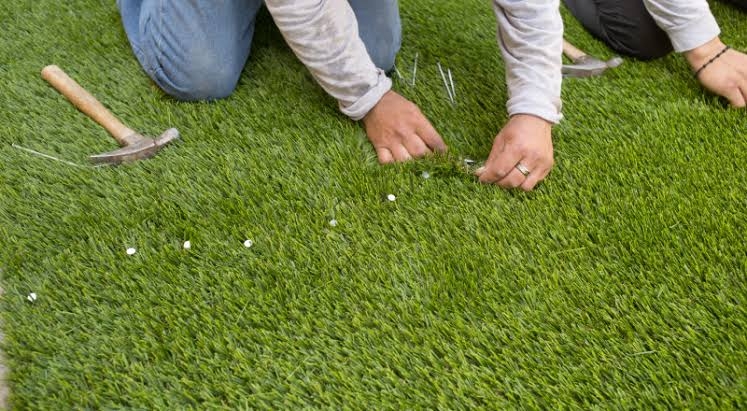
Maintaining a beautiful lawn in North Texas can be challenging, especially when summer temperatures rise and rainfall becomes unpredictable. Natural grass often requires regular mowing, watering, fertilizing, and seasonal repairs to maintain a healthy appearance. For homeowners who want a consistently green yard with less routine maintenance, artificial turf offers an alternative worth considering. Professional artificial grass installation in dallas tx can help transform a patchy lawn, worn-out backyard, or difficult-to-maintain landscape into a more functional outdoor space.
However, switching from natural grass to synthetic turf requires careful planning. Homeowners should consider installation costs, drainage, surface temperature, product quality, and the long-term needs of their property before making a decision. Artificial grass can reduce certain lawn-care tasks, but it is not completely maintenance-free or suitable for every situation. Understanding its advantages and limitations will help you determine whether synthetic turf is the right investment for your home.
Why Dallas Homeowners Are Considering Artificial Grass
The climate in Dallas presents several challenges for traditional lawns. Hot summers, periods of drought, heavy rainfall, and frequent foot traffic can leave natural grass looking uneven or damaged. Even with regular care, some areas may develop brown patches, bare spots, or compacted soil. Artificial turf provides a consistent green appearance without depending on natural growth, making it an appealing option for homeowners who want a neat-looking yard throughout the year.
Another reason homeowners consider synthetic turf is the time involved in maintaining natural grass. Mowing, edging, fertilizing, watering, and repairing damaged sections can become a regular responsibility during the growing season. Artificial grass eliminates routine mowing and reduces the need for lawn fertilizers and reseeding. Although occasional brushing, cleaning, and inspection are still necessary, many homeowners appreciate having fewer recurring lawn-care tasks.
Artificial grass can also be useful in areas where natural grass struggles to grow. Narrow side yards, high-traffic walkways, pet areas, and spaces with limited sunlight may benefit from a synthetic surface. However, the best results depend on choosing the right product and preparing the ground correctly. Before replacing your lawn, evaluate how the area is used and whether synthetic turf will provide the comfort, appearance, and performance you expect.
Understanding the Benefits and Limitations of Synthetic Turf
One of the main benefits of artificial grass is its consistent appearance. Synthetic fibers do not turn brown because of drought stress, and they do not require the same growing conditions as natural grass. This can help maintain a polished landscape around patios, outdoor seating areas, and decorative garden features. Artificial turf can also reduce water consumption because it does not need regular irrigation to stay green, although occasional rinsing may be necessary for cleaning.
Despite these advantages, synthetic turf has limitations that homeowners should understand. Its surface can become significantly hotter than natural grass when exposed to direct sunlight, particularly during the hottest part of the day. This can make the lawn uncomfortable for bare feet, children, and pets. Choosing a suitable product, adding shade, and checking the surface temperature before use can help improve comfort, but these measures cannot guarantee that turf will remain cool in extreme heat.
Artificial grass also differs from living vegetation in its environmental impact. It reduces the need for lawn irrigation and some chemical treatments, but it does not provide the same habitat, soil benefits, or natural cooling as living grass and plants. Synthetic materials eventually wear out and require replacement, creating additional material waste. Homeowners should weigh these factors alongside maintenance savings and water-use considerations when deciding whether to make the switch.
How Much Does Artificial Grass Installation in Dallas TX Cost?
The cost of artificial grass installation depends on the size of the lawn, turf quality, ground conditions, and complexity of the project. As a broad budgeting estimate, residential installations may range from approximately $8 to $18 per square foot, although premium products and difficult site conditions can push prices higher. These figures are illustrative rather than guaranteed local quotes, so homeowners should request an assessment from a qualified installer before establishing a final budget.
For example, installing synthetic turf across 500 square feet at an estimated $8 to $18 per square foot would cost around $4,000 to $9,000. A 1,000-square-foot area could cost approximately $8,000 to $18,000 at the same rates. Actual prices may differ depending on excavation, removal of existing grass, drainage improvements, edging, infill, and access to the installation area. Asking for a written, itemized estimate helps you understand what is included and which expenses may be additional.
Turf quality is another important cost factor. Products differ in fiber density, blade height, backing construction, color, softness, and resistance to ultraviolet exposure. If the lawn will be used frequently by children or pets, a durable product designed for that purpose may be worth the additional investment. Review the manufacturer's specifications and warranty conditions instead of choosing turf based on appearance or price alone.
Preparing Your Yard for a Successful Installation
Proper preparation is essential to the long-term performance of synthetic turf. Before installation begins, existing grass, weeds, roots, and unsuitable soil materials generally need to be removed. The installer then prepares and compacts a suitable base to create a stable surface that supports the turf. If the ground is uneven or has drainage problems, those issues should be addressed before the new lawn is installed.
Drainage deserves particular attention in North Texas because long dry periods can be followed by intense rainfall. The turf's backing, underlying soil, base material, and slope all influence how water moves through the lawn. A properly designed installation should allow water to drain as intended and direct runoff away from vulnerable areas near the home. Simply placing artificial grass over an existing lawn will not correct poor grading or persistent standing water.
Homeowners should also plan how the turf will meet patios, walkways, fences, and planting beds. Clean edges and properly finished transitions help the landscape look intentional while reducing the chance of shifting or uneven surfaces. If you intend to add outdoor lighting, a seating area, or a garden feature later, discuss those plans with the installer beforehand. Coordinating the layout early can help avoid unnecessary cutting, rework, and additional costs.
Combining Artificial Grass With a Complete Outdoor Living Design
Artificial turf can become even more useful when it is incorporated into a well-planned outdoor living area. Rather than treating the lawn as a separate feature, homeowners can combine it with patios, walkways, shade structures, seating, and decorative landscaping. This approach helps create a backyard that supports relaxation, entertaining, and everyday activities. The design should balance green space with durable surfaces and practical access throughout the property.
Working with an experienced outdoor living contractor carrollton homeowners can consult may help when the project involves several connected features. A contractor familiar with outdoor living design can assess how synthetic turf will fit alongside an existing patio, outdoor kitchen, pergola, or covered seating area. They can also help coordinate the placement of walkways, drainage routes, and transitions between materials. When multiple improvements are planned together, discussing the entire layout before construction begins can reduce conflicts and improve the finished result.
Shade is particularly valuable in sunny Dallas-area backyards. A patio cover, pergola, or strategically placed tree may make nearby seating areas more comfortable during hot weather. However, shade structures should be planned with the property's layout, drainage, and intended use in mind. By coordinating artificial grass with the surrounding outdoor features, homeowners can create a cohesive space that is attractive, functional, and easier to maintain.
Artificial Grass Maintenance and Long-Term Care
Although synthetic turf requires less routine maintenance than natural grass, it still needs regular attention. Remove leaves, twigs, and other debris with a leaf blower or a soft-bristled brush suitable for artificial grass. Periodically brush flattened fibers to help restore their appearance, especially in areas where people walk frequently or outdoor furniture is moved. Follow the product manufacturer's guidance to avoid damaging the fibers, backing, or seams.
Cleaning requirements depend on how the lawn is used. Light rinsing can help remove dust and pollen, while homes with pets may require more frequent cleaning to manage waste and odors. Remove solid waste promptly and use a turf-safe cleaning product when necessary. If odors persist, inspect the drainage and infill rather than relying on strong chemicals that may damage the material or affect its warranty.
Regular inspections can help identify small problems before they become more expensive repairs. Check for loose edges, visible seams, uneven areas, and places where water collects after rainfall. Over time, high-traffic areas may need additional brushing or infill, depending on the turf system. Keep installation records and warranty information, and ask your contractor which maintenance methods are recommended for the specific product installed.
How to Choose the Right Artificial Grass Installer
Selecting a qualified installer is just as important as choosing the turf itself. Ask about the contractor's experience with residential projects, base preparation methods, drainage planning, and the products they recommend for your intended use. A knowledgeable professional should explain the benefits and limitations of different turf options and identify any existing site problems that could affect performance. They should also be able to describe how seams, edges, and transitions will be finished.
Before signing a contract, request a written proposal covering materials, preparation, installation, debris removal, project timing, and warranty terms. Confirm whether the price includes excavation, base materials, infill, and any drainage improvements. Comparing detailed estimates from multiple contractors can help you identify differences in scope and workmanship. It is also useful to review photographs of completed projects and ask about maintenance expectations after installation.
Be cautious of promises that artificial grass will never need cleaning, remain cool in every weather condition, or solve drainage issues without corrective work. Reliable professionals set realistic expectations and explain how the proposed system will perform under your property's specific conditions. Clear communication and a detailed agreement can help protect your investment and make the installation process more predictable.
Conclusion
Artificial grass can be a practical choice for Dallas homeowners who want a consistently green lawn with fewer routine maintenance demands. It can reduce mowing and irrigation needs, provide a uniform surface in high-traffic areas, and improve the appearance of spaces where natural grass struggles. However, installation costs, heat retention, drainage, environmental considerations, and eventual replacement should all factor into your decision.
Professional artificial grass installation in dallas tx can help ensure that the lawn is properly prepared, the materials suit the intended use, and the finished surface integrates with the property's existing features. If you are planning a larger backyard improvement, consulting an outdoor living contractor carrollton homeowners can work with may help coordinate synthetic turf with patios, shade structures, and other outdoor amenities.
Before making the switch, evaluate your priorities, compare product specifications, and request detailed estimates from experienced installers. Consider how much sunlight the lawn receives, whether pets or children will use it, and how the new surface will connect with the rest of your landscape. With thoughtful planning and realistic expectations, artificial grass can become a useful part of a functional, attractive, and lower-maintenance outdoor space.

 English
 Arabic
 French
 Spanish
 Portuguese
 Turkish
 Dutch
 Italiano
 Russian
 Romaian
 Portuguese (Brazil)
 Greek
