


Male Fertility Test for First-Time Fathers: What You Should Know
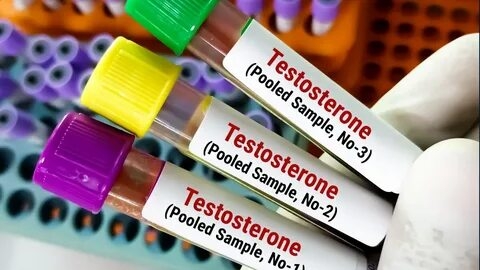
Becoming a father for the first time is an exciting milestone, but trying to conceive can sometimes raise questions about reproductive health. If you and your partner have been planning a pregnancy without success, a Male Fertility Test in Dubai can help you understand your reproductive health and identify potential factors affecting conception.
Male infertility is more common than many people realize, and it is not always associated with noticeable symptoms. A man may feel healthy, have a normal sex drive, and experience no problems with sexual performance while still having a low sperm count or reduced sperm movement. This is why fertility testing can be an important step for men who want to become fathers.
In this guide, you will learn what a male fertility test involves, when first-time fathers should consider testing, how to prepare, what the results mean, and which steps may support better reproductive health.
Why Male Fertility Testing Matters Before Becoming a Father?
Conception depends on several factors, including sperm health, ovulation, reproductive anatomy, and timing. While fertility concerns are often associated with women, male factors contribute to approximately half of infertility cases, either alone or alongside female factors.
A male fertility test helps assess whether sperm-related issues could make conception more difficult. It can also identify findings that may require further investigation or treatment.
For first-time fathers, testing can provide useful information about:
-
Sperm count: The number of sperm present in a semen sample.
-
Sperm motility: How effectively sperm move, particularly forward movement.
-
Sperm morphology: The percentage of sperm with typical shape and structure.
-
Semen volume: The amount of semen produced during ejaculation.
-
Reproductive health concerns: Possible signs that warrant evaluation by a healthcare professional.
Testing does not guarantee pregnancy, but it can help couples make informed decisions about their next steps.
What Is a Male Fertility Test, and How Does It Work?
The most common initial test for male fertility is a semen analysis, sometimes called a sperm test. It evaluates several characteristics of semen and the sperm it contains.
The test usually involves collecting a semen sample in a sterile container according to the laboratory's instructions. The sample is then examined to measure sperm concentration, total sperm number, movement, shape, and other relevant characteristics.
Depending on your medical history and initial results, a healthcare professional may recommend additional assessments, such as hormone testing, a physical examination, or an ultrasound.
Understanding the Main Components of a Semen Analysis
A semen analysis provides several measurements that help clinicians assess male reproductive potential.
Sperm concentration and total sperm count
Sperm concentration measures the number of sperm in a specific volume of semen. Total sperm count refers to the number of sperm in the entire ejaculate. These measurements are related, but they are not interchangeable.
A low sperm count, also known as oligozoospermia, can reduce the likelihood of conception. However, men with low counts may still be able to father children naturally.
Sperm motility
Motility describes how sperm move. Progressive motility refers to sperm moving forward effectively, which is important for reaching and fertilizing an egg.
Reduced sperm motility, sometimes called asthenozoospermia, may make conception more difficult, although the overall result and other fertility factors also matter.
Sperm morphology
Morphology assesses sperm shape and structure. A higher proportion of unusually shaped sperm may be associated with reduced fertility potential. However, morphology alone cannot reliably determine whether a man can father a child.
Semen volume and other characteristics
The laboratory may also assess semen volume, pH, and liquefaction. These findings can help identify patterns that need further evaluation.
No single measurement can fully predict whether natural conception will occur. A clinician interprets the results together rather than relying on one number.
When Should First-Time Fathers Get a Fertility Test?
Not every man needs fertility testing before trying to conceive. However, understanding when to seek an assessment can prevent unnecessary delays and provide reassurance when appropriate.
Consider speaking with a healthcare professional in the following situations:
-
You have been trying to conceive for 12 months: Couples generally benefit from an infertility evaluation if pregnancy has not occurred after one year of regular, unprotected intercourse.
-
Your partner is 35 or older: Evaluation is commonly recommended after six months of unsuccessful attempts. Earlier assessment may be appropriate depending on individual circumstances.
-
You have a known reproductive health concern: A history of undescended testicles, testicular injury, testicular surgery, or certain infections may justify earlier testing.
-
You have experienced sexual or hormonal symptoms: Erectile difficulties, reduced sexual desire, or signs of a hormonal problem should be discussed with a healthcare professional.
-
You have undergone chemotherapy or radiation: Some cancer treatments can affect sperm production, making fertility assessment and preservation discussions important.
-
You want to understand your reproductive health before treatment or family planning: Testing may be appropriate when a medical history suggests increased risk.
If you or your partner have known fertility risk factors, you do not necessarily need to wait six or twelve months before seeking advice.
Preparing for Your First Male Fertility Test:
Preparation helps the laboratory obtain a sample that can be evaluated accurately. Follow the specific instructions provided by your testing facility because requirements can vary.
Follow the Recommended Abstinence Period
Most laboratories recommend avoiding ejaculation for approximately two to seven days before collecting a semen sample. This includes ejaculation through sexual activity or masturbation.
Abstinence that is shorter or longer than the recommended period can influence certain semen measurements. Following the laboratory's instructions helps make your result easier to interpret.
Understand How to Collect the Sample
Semen samples are usually collected through masturbation into a sterile container supplied or approved by the laboratory.
Important collection tips include:
-
Wash your hands before collection.
-
Follow the laboratory's hygiene instructions.
-
Avoid using ordinary lubricants unless the laboratory confirms they are suitable for fertility testing.
-
Collect the entire sample whenever possible.
-
Tell the laboratory if any portion of the sample is lost.
-
Follow instructions about sample delivery time and temperature if collection takes place at home.
Some lubricants can interfere with sperm movement, so using an unapproved product may affect the assessment.
Tell Your Doctor About Medications and Health Conditions
Certain medications, testosterone therapy, anabolic steroids, infections, and medical conditions can affect sperm production or reproductive function.
Do not stop prescribed medication without medical advice. Instead, provide your healthcare professional with a complete list of medications, supplements, and relevant health conditions.
How to Interpret Male Fertility Test Results
Receiving your first semen analysis can feel overwhelming, especially when the report contains unfamiliar terms and numerical measurements. The key is to interpret the findings in context rather than treating the report as a simple pass-or-fail test.
The World Health Organization's sixth edition of its laboratory manual reports reference values derived from men whose partners conceived within a specified period. These values help laboratories interpret results, but they are not strict boundaries between fertile and infertile men.
For example, a result below a laboratory reference limit does not automatically mean that natural conception is impossible. Similarly, results within reference ranges do not guarantee pregnancy.
What Does a Normal Result Mean?
A result within the laboratory's reference ranges is generally reassuring because it suggests that the measured semen characteristics are not obviously abnormal.
However, semen analysis cannot assess every aspect of male fertility. It does not directly establish whether sperm can successfully fertilize an egg, and it cannot evaluate all possible reproductive or genetic factors.
If conception does not occur despite reassuring results, a clinician may recommend evaluating both partners and considering additional investigations when appropriate.
What If Your Results Are Abnormal?
An abnormal result does not necessarily mean permanent infertility. Semen parameters can vary between samples because of illness, recent fever, collection differences, medications, and other influences.
Your healthcare professional may recommend repeating the semen analysis, often after an appropriate interval, to confirm whether the finding persists.
Depending on the pattern, further assessment may include a physical examination, hormone tests, genetic testing in selected cases, or imaging when clinically indicated.
Avoid diagnosing yourself based on a single result or comparing your numbers directly with another person's report.
What Can Affect Male Fertility Before You Become a Father?
Lifestyle and medical factors can influence sperm production and quality. Although not every fertility problem can be prevented, certain habits support general reproductive health.
Smoking and tobacco use: Smoking is associated with poorer sperm health. Stopping smoking can benefit overall health and may improve reproductive outcomes.
Alcohol consumption: Heavy alcohol use may negatively affect reproductive hormones and semen quality. Reducing excessive consumption is a reasonable step when preparing for conception.
Excess body weight: Overweight and obesity can be associated with hormonal changes and reduced reproductive health. Sustainable nutrition and physical activity may help.
Heat exposure: Frequent exposure to excessive heat around the testicles may affect sperm production in some men. The impact varies, and avoiding excessive heat may be worth discussing if you have concerns.
Infections and medical conditions: Certain infections, hormonal disorders, and conditions affecting the testicles can interfere with sperm production or transport. Appropriate diagnosis and treatment may help address some causes.
Testosterone and anabolic steroids: Testosterone replacement therapy and anabolic steroid use can suppress the hormonal signals needed for sperm production. Men planning to conceive should discuss these substances with a qualified clinician before starting treatment.
Healthy habits can support reproductive health, but they cannot correct every underlying cause of male infertility. Be cautious about supplements marketed as guaranteed sperm boosters, as evidence of effectiveness varies.
What Happens If Your Male Fertility Test Shows a Problem?
The next step depends on the specific findings, your medical history, and your partner's reproductive health. A fertility specialist or urologist with expertise in male reproduction can help identify possible causes and discuss appropriate options.
Possible approaches include:
-
Treating an underlying condition: Certain infections, hormonal problems, or reproductive disorders may be treatable.
-
Reviewing medications: A clinician may assess whether a medicine or hormone treatment is affecting sperm production.
-
Making targeted lifestyle changes: Smoking cessation, improved nutrition, and management of relevant health conditions may support reproductive health.
-
Considering assisted reproductive techniques: Depending on the circumstances, options may include intrauterine insemination, in vitro fertilization, or intracytoplasmic sperm injection.
-
Discussing sperm preservation: Men facing treatments that may damage fertility may benefit from discussing sperm freezing before treatment begins.
Not every abnormal semen analysis requires fertility treatment. The goal is to understand the findings and select an approach that fits your circumstances.
Male Fertility Test vs. At-Home Sperm Test: Which Is Better?
At-home sperm tests may provide information about selected characteristics, such as sperm concentration or, in some products, motility. They can be convenient for initial screening, but their capabilities vary.
A laboratory semen analysis generally provides a more comprehensive assessment of multiple semen parameters. Home tests may not evaluate morphology, provide the same level of detail, or identify the underlying reason for an abnormal result.
If an at-home test indicates a possible problem, or if you have been trying to conceive without success, speak with a healthcare professional about laboratory testing. A reassuring home result should not replace a medical evaluation when fertility concerns persist.
Frequently Asked Questions About Male Fertility Testing:
Is a male fertility test painful?
A standard semen analysis is non-invasive and does not usually involve pain. It generally requires providing a semen sample. Additional tests, if recommended, depend on your medical circumstances.
How long does it take to get semen analysis results?
The turnaround time varies by laboratory. Some results may be available within a short period, while others take longer. Ask the laboratory when to expect your report and who will explain the findings.
Can I pass a male fertility test and still have difficulty conceiving?
Yes. Semen analysis evaluates important sperm characteristics but cannot guarantee pregnancy. Fertility also depends on factors involving both partners, timing, and reproductive processes that the test does not measure directly.
Should I take supplements before my fertility test?
Do not start supplements solely to improve a test result without discussing them with a healthcare professional. Evidence for many fertility supplements is limited or inconsistent, and some products may interact with medications.
Can a man with a low sperm count become a father?
Yes, it may still be possible. The likelihood depends on the degree of sperm reduction, other semen parameters, the underlying cause, and the reproductive health of both partners. A fertility specialist can explain suitable options.
Final Thoughts: Make Your First Step Toward Fatherhood an Informed One
A male fertility Lab tests can be a useful starting point for men preparing to become first-time fathers, particularly when conception is taking longer than expected or medical risk factors are present.
A semen analysis helps assess sperm count, movement, shape, and other characteristics, but its results must be interpreted alongside medical history and other relevant factors. An abnormal finding does not automatically mean you cannot become a father, and a normal result does not guarantee conception.
If you have concerns about sperm health or have been trying to conceive without success, speak with a qualified healthcare professional. With appropriate testing, accurate information, and a personalized plan, you and your partner can make informed decisions about your path toward parenthood.

 English
 Arabic
 French
 Spanish
 Portuguese
 Deutsch
 Turkish
 Italiano
 Russian
 Romaian
 Portuguese (Brazil)
 Greek
