


Brow Lift Surgery in London: How Is the Ideal Brow Position Assessed Before Surgery?
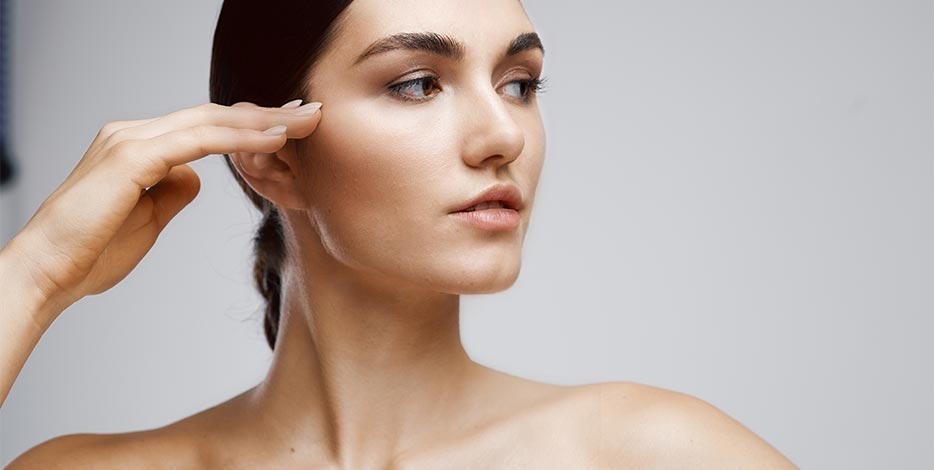
The position and shape of the eyebrows play an important role in facial expression, balance and the appearance of the upper face. Even subtle changes in brow height can influence how the eyes look and whether the face appears refreshed, tired or concerned. As the skin and supporting tissues change over time, some people notice that their eyebrows sit lower than they used to, creating a heavier appearance around the upper eyelids.
Brow Lift in London is an option for individuals who want to address a low brow position and achieve a more balanced appearance around the eyes. However, successful surgical planning involves more than simply deciding how much higher the eyebrows should sit. A surgeon must consider facial anatomy, natural asymmetry, forehead proportions, eyelid structure, muscle activity and the patient's personal preferences.
Assessing the ideal brow position before surgery helps guide decisions about the appropriate surgical approach and the amount of elevation that may be suitable. The objective is to create a result that complements the individual's features rather than following a single brow shape or height for everyone.
Why Is Brow Position Important in Facial Appearance?
The eyebrows contribute to the overall balance of the upper face. Their position influences the apparent shape of the eyes, the distance between the eyebrows and eyelids, and the proportions of the forehead.
When the brows descend, the skin and soft tissues above the eyes may appear heavier. This can create the impression of tiredness or make the upper eyelids look less defined. In some individuals, the change is mainly related to brow descent, while others have additional excess eyelid skin that contributes to the appearance.
Understanding the source of the concern is an important first step in surgical planning. A brow lift is designed to reposition the eyebrows and supporting tissues, whereas upper eyelid surgery primarily addresses excess skin and, where appropriate, other eyelid tissues.
These procedures address different anatomical concerns, although they may sometimes be considered together. A careful assessment helps establish whether brow position is the main factor affecting the upper face and whether a brow lift alone is likely to meet the patient's goals.
Assessing Natural Brow Shape and Position
One of the first considerations during a preoperative assessment is the patient's natural brow shape. Eyebrows vary considerably in height, thickness, curvature and position across the forehead. Some people naturally have relatively straight brows, while others have a more pronounced arch.
The surgeon examines these characteristics to understand the individual's existing facial proportions. The inner brow, central portion and outer tail are assessed in relation to the eyes and surrounding facial structures.
The outer brow may descend more noticeably in some individuals, while others experience a more general lowering of the entire brow. These differences can influence the surgical plan because the objective may be to address a specific area rather than elevate the eyebrows uniformly.
The surgeon also considers the patient's appearance before age-related changes became noticeable, where this can be understood from their history or photographs. This can provide useful context when discussing the desired outcome.
Rather than aiming for an exaggerated arch, the assessment focuses on identifying a brow position that complements the patient's natural features and desired appearance.
The Relationship Between the Eyebrows and Upper Eyelids
The relationship between brow position and eyelid structure is central to determining the appropriate treatment.
When the eyebrows descend, the tissues above the eyelids may appear heavier. However, excess upper eyelid skin can produce a similar appearance even when the brow position itself is relatively normal.
During examination, the surgeon evaluates the brow and eyelid separately before considering how they interact. This helps distinguish brow ptosis, which refers to a lower-than-desired brow position, from excess eyelid skin and other anatomical factors.
The surgeon may assess the upper eyelid with the brow in its natural position and then observe how the appearance changes when the brow is gently supported. This can help clarify how much of the heaviness is associated with brow descent.
The distinction matters because lifting the brow without properly assessing the eyelid can produce an outcome that does not fully address the patient's concern. Conversely, focusing only on eyelid skin may not resolve heaviness that is primarily caused by a low brow position.
An individualised assessment helps determine whether brow lift surgery, eyelid surgery or a combination of procedures may be appropriate.
How Facial Proportions Influence the Ideal Brow Position
The ideal brow position is not defined by a single measurement. It depends on the relationship between the eyebrows, eyes, forehead, temples and the rest of the face.
For example, a person with a relatively short forehead may require a different surgical plan from someone with a taller forehead. Similarly, the natural shape of the eye sockets and the position of the upper eyelids can influence how brow elevation affects the overall appearance.
The surgeon considers these proportions when determining the likely position of the brows after surgery. Aiming for excessive elevation may create an unnatural appearance, while insufficient repositioning may not adequately address the original concern.
The patient's age, facial structure and preferred aesthetic outcome also contribute to the decision. Some individuals prefer a subtle refinement that preserves their existing brow shape, while others may want more noticeable improvement in the outer brow area.
A balanced result should take the whole face into account rather than treating brow height as an isolated measurement.
Evaluating Natural Facial Asymmetry
Perfect facial symmetry is uncommon. One eyebrow may naturally sit higher than the other, and differences can also occur in eyelid shape, eye opening and forehead muscle activity.
These variations are important when assessing the ideal brow position before surgery. If the surgeon does not account for existing asymmetry, an attempt to create identical brow heights could produce a result that appears unnatural in the context of the patient's other features.
During consultation, the surgeon compares both sides of the face while the patient is relaxed and may also observe the face during expression. This helps distinguish the patient's natural asymmetry from changes caused by muscle movement or tissue descent.
The discussion should establish whether the patient wants to preserve their natural asymmetry or improve a particular difference where this is appropriate. Complete symmetry cannot be guaranteed, and the surgical plan must reflect the limitations imposed by individual anatomy.
Considering these details before surgery supports a more realistic and personalised approach to brow positioning.
The Role of Forehead Muscles and Facial Expressions
The position of the eyebrows is influenced by several muscles that raise or lower the brow. Some people habitually raise their eyebrows to compensate for heavy upper eyelids, while others use their forehead muscles frequently when expressing surprise or emphasis.
These patterns can affect how the brows appear during a consultation. A surgeon therefore assesses the face at rest and during natural expressions rather than relying on a single static observation.
The patient may be asked to relax the forehead, raise the eyebrows and close the eyes gently. These movements can help demonstrate the contribution of muscle activity to the existing brow position.
The surgeon also considers whether the patient has developed a habitual forehead movement to maintain a more open appearance around the eyes. This information can be useful when distinguishing underlying brow descent from a temporary or expression-related change in brow height.
The purpose is to understand the brow's natural behaviour and plan a position that remains harmonious when the face is relaxed as well as during ordinary expression.
Skin Quality, Tissue Laxity and Age-Related Changes
Changes in the skin and underlying tissues can influence the position of the eyebrows over time. Reduced elasticity, changes in tissue support and the effects of gravity may contribute to brow descent and increased heaviness around the upper eyelids.
The surgeon evaluates skin quality and the degree of tissue laxity to understand how these factors affect the brow. The forehead and temple areas are also considered because their characteristics may influence the choice of surgical technique.
Age alone does not determine the ideal brow position. People of the same age can have different forehead proportions, skin characteristics and brow shapes. Some individuals seek surgery because of age-related descent, while others have naturally lower brows that have always influenced their facial appearance.
The assessment should therefore focus on the patient's actual anatomy and concerns rather than a standardised age-based target.
Understanding tissue characteristics also helps the surgeon explain what surgery may realistically achieve and how the proposed approach relates to the patient's existing features.
Patient Preferences and Desired Results
Although anatomical assessment provides the foundation for surgical planning, the patient's preferences are equally important.
Some individuals want a subtle improvement that makes the upper face appear less heavy without substantially changing their expression. Others may be particularly concerned about the outer brow or want better definition between the eyebrows and upper eyelids.
During consultation, the surgeon discusses these goals and explores what the patient considers an appropriate result. It can be helpful to explain which aspects of the current appearance are most concerning and whether the preference is for a small adjustment or a more noticeable change.
Photographs showing previous facial appearance or examples of preferred brow shapes may support the discussion. However, reference photographs should be used to communicate preferences rather than as exact templates, because each person's anatomy is different.
The surgeon can then explain which outcomes are achievable and recommend a brow position that respects both the patient's wishes and their natural facial proportions.
How Measurements and Photographs Support Surgical Planning
Measurements and clinical photographs help document the existing brow position and provide a reference for planning. The surgeon may assess the distance between the brow and upper eyelid, compare the height of different brow segments and examine forehead proportions.
These observations can help identify where brow descent is most noticeable and whether one side differs from the other. Standardised photographs may be taken with the face relaxed and, where useful, during selected expressions.
However, measurements are not used in isolation. A particular distance between the brow and eyelid may look appropriate on one face but less suitable on another because of differences in eye shape, forehead structure and facial proportions.
The surgeon combines objective observations with clinical judgement and the patient's preferences. The purpose of this process is to establish a practical surgical plan, not to make every patient's brow conform to identical measurements.
Clear documentation also helps support discussion about the intended outcome before the procedure takes place.
Choosing the Appropriate Brow Lift Technique
Once the ideal brow position has been assessed, the surgeon considers which surgical technique may be appropriate. Different brow lift approaches can vary in incision placement, the tissues addressed and the extent to which different areas of the brow can be repositioned.
The choice depends on factors such as the patient's forehead anatomy, hairline position, skin laxity, desired degree of elevation and the distribution of brow descent.
Some approaches may be more suitable when the main concern involves the outer brow, while others may be considered when more general repositioning is required. The surgeon must also account for existing scars, previous procedures and individual anatomical considerations.
There is no single technique that is best for everyone. The recommended approach should be explained clearly, including how it is expected to address the patient's particular concern.
A consultation with an appropriately qualified surgeon allows the patient to understand the reasoning behind the recommendation and consider whether the proposed treatment aligns with their expectations.
What to Expect During a Brow Lift Consultation in London
A consultation typically begins with a discussion of the patient's concerns, medical history and desired outcome. The surgeon then examines the eyebrows, forehead, eyelids and surrounding facial structures.
The assessment may include observations of the face at rest and during movement, photographs and measurements to document the existing brow position. Previous cosmetic procedures and relevant medical information may also be reviewed.
The surgeon uses these findings to discuss whether brow lift surgery is suitable and what type of repositioning may be appropriate. If excess eyelid skin or another anatomical feature contributes significantly to the concern, alternative or combined approaches may be discussed.
Patients researching Brow Lift Surgery London should look for a provider who offers an individualised consultation and explains the reasoning behind the proposed surgical plan.
Choosing a Brow Lift Clinic in London should involve considering the surgeon's qualifications, relevant experience, clarity of communication and approach to patient care. The consultation should provide sufficient time to discuss expected results, the recovery process, costs and follow-up arrangements before making a decision.
Conclusion
Assessing the ideal brow position before surgery requires a detailed understanding of facial anatomy, natural brow shape, eyelid structure, forehead proportions and muscle activity. Skin quality, age-related changes, existing asymmetry and the patient's personal preferences also influence the surgical plan.
Rather than aiming for a universally defined brow height, the surgeon considers how the eyebrows relate to the eyes and the rest of the face. Measurements and photographs support this process, while clinical judgement helps translate the findings into an appropriate surgical approach.
For individuals considering Brow Lift in London, a thorough consultation is an important step towards understanding the available options. By combining anatomical assessment with clear communication about aesthetic goals, a qualified surgeon can develop a personalised plan intended to achieve a balanced and natural-looking result.
Frequently Asked Questions
How is the ideal brow position determined before surgery?
The surgeon assesses the natural brow shape, height, facial proportions, eyelid structure, forehead anatomy and muscle activity. The patient's preferences are also considered when developing an individualised surgical plan.
Is there one ideal brow shape for everyone?
No. Brow shape and position vary naturally between individuals. The appropriate position depends on facial anatomy, personal preferences and the relationship between the eyebrows, eyes and forehead.
How can a surgeon tell whether I need a brow lift or eyelid surgery?
The surgeon examines the eyebrows and upper eyelids separately to identify the main cause of heaviness. A brow lift addresses low brow position, while upper eyelid surgery primarily addresses excess eyelid skin and selected eyelid tissue concerns.
Does facial asymmetry affect brow lift planning?
Yes. One eyebrow may naturally sit higher than the other. The surgeon assesses these differences and discusses whether preserving or improving the existing asymmetry is appropriate.
Why are forehead muscles assessed before a brow lift?
Forehead muscles influence brow height and movement. Observing the face at rest and during expression helps the surgeon distinguish natural muscle activity from more persistent brow descent.
Are measurements used to plan brow lift surgery?
Measurements and photographs can help document brow height, eyelid spacing and facial proportions. They support the assessment but are interpreted alongside the patient's anatomy and aesthetic goals.
Can I request a specific brow shape for surgery?
You can explain your preferred appearance and share reference photographs. However, the surgeon must consider your individual anatomy and discuss what is realistically achievable rather than copying another person's brow shape exactly.
Does age determine the ideal brow position?
No. Age-related tissue changes can influence brow position, but skin quality, forehead proportions, facial structure and personal preferences are also important considerations.
How do I choose a brow lift surgeon in London?
Look for an appropriately qualified surgeon with relevant experience in brow and upper-face surgery. A detailed consultation should include an anatomical assessment, a discussion of suitable techniques and clear information about expected outcomes and recovery.
What should I ask during a brow lift consultation?
Ask how your current brow position is assessed, which technique may suit your anatomy, whether eyelid surgery should also be considered, what results are realistic and what recovery and follow-up involve. You should have enough information to make an informed decision before proceeding.

 English
 Arabic
 French
 Spanish
 Portuguese
 Deutsch
 Turkish
 Dutch
 Italiano
 Russian
 Portuguese (Brazil)
 Greek
