


Why Is Mold Inspection and Testing Important for Your Home?
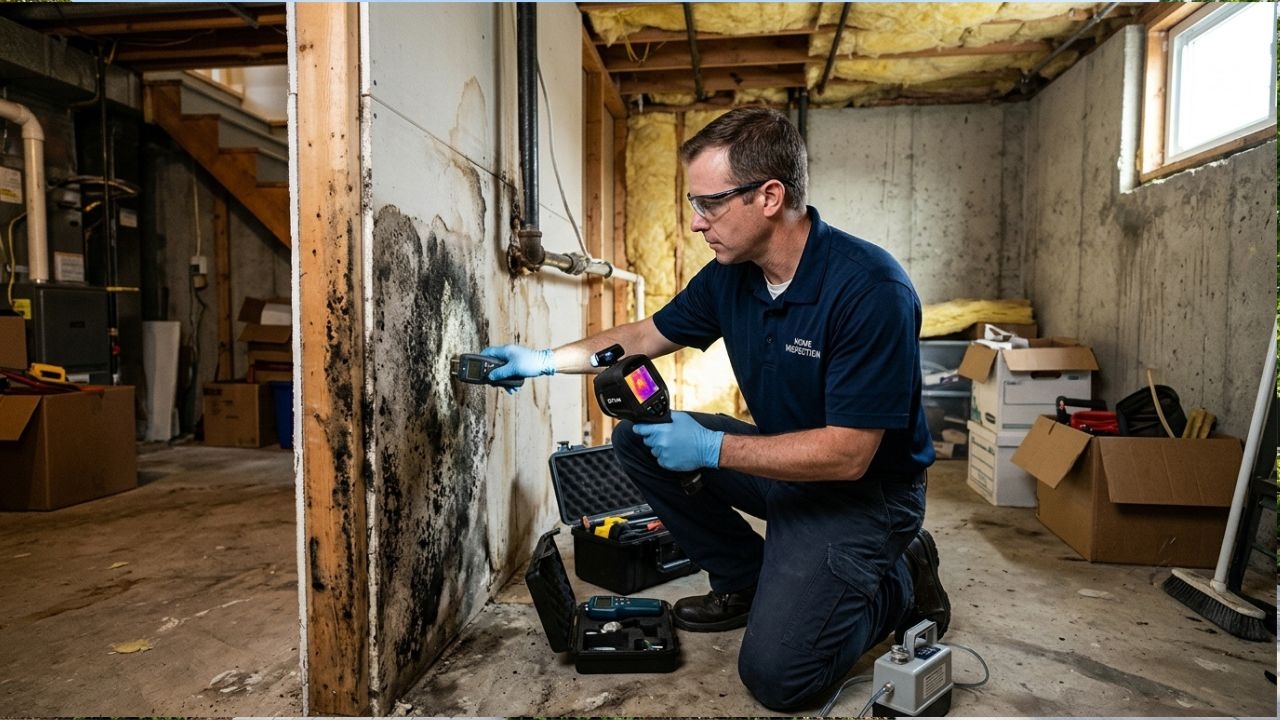
Mold can develop in homes and commercial buildings when moisture accumulates in areas such as basements, bathrooms, attics, and around leaking pipes. Although some mold growth is easy to see, hidden mold can remain behind walls, beneath flooring, or inside ventilation systems. This makes mold inspection and testing important for identifying potential problems and maintaining a healthier indoor environment.
A professional mold inspection helps locate visible and hidden moisture issues, while appropriate testing can provide additional information about the types or levels of mold present. Understanding when these services are needed allows property owners to make informed decisions about cleaning, repairs, and mold prevention.
What Is Mold Inspection and Testing?
Mold inspection and testing are related services designed to assess possible mold problems inside a building.
Mold Inspection
A mold inspection involves examining a property for visible mold growth, water damage, condensation, musty odors, and other signs of moisture. An inspector may examine bathrooms, basements, attics, windows, plumbing areas, and HVAC systems.
For example, a dark patch on a ceiling could indicate a roof leak that has allowed mold to grow. An inspection helps identify the suspected source of moisture so that the underlying issue can be addressed.
Mold Testing
Mold testing involves collecting samples when additional information is necessary. Depending on the situation, an inspector may collect air samples, surface samples, or other appropriate samples for laboratory analysis.
Testing can help identify mold types or evaluate airborne mold particles. However, testing is not always necessary when visible mold and its moisture source are already apparent. A qualified professional can recommend the most suitable approach based on the property's condition.
Why Should You Consider Professional Mold Inspection and Testing?
Mold problems can affect building materials and may contribute to indoor air quality concerns. Professional assessment can help property owners understand the extent of a suspected problem.
Identifying Hidden Mold Growth
Mold does not always grow in visible locations. It may develop behind drywall, under carpets, around insulation, or inside damp attic spaces. A professional inspection can identify areas that require further investigation.
Understanding Indoor Air Quality Concerns
Mold releases microscopic spores that can become airborne. Exposure may cause allergic reactions or respiratory symptoms in some people, particularly those with asthma or mold allergies.
Mold inspection and testing can provide useful information when unexplained musty odors, recurring moisture problems, or suspected hidden growth raise concerns about indoor air quality.
Preventing Property Damage
Persistent moisture can damage drywall, wood, insulation, and other building materials. Early identification of mold-related moisture problems can help homeowners arrange repairs before the damage becomes more extensive.
Common Signs That Your Property May Need Mold Inspection
Recognizing warning signs can help you determine when to seek professional assistance.
-
Musty odors: A persistent earthy smell may indicate hidden mold or moisture.
-
Visible discoloration: Black, green, white, or brown patches on walls and ceilings may indicate mold growth, although appearance alone cannot confirm the exact type.
-
Water stains: Discoloration on ceilings, floors, or walls may suggest leaks or previous water damage.
-
Condensation: Frequent moisture on windows and cold surfaces can encourage mold growth.
-
Recurring mold: Mold that returns after cleaning may indicate an unresolved moisture source.
-
Previous flooding: Properties that have experienced flooding or plumbing leaks may require a closer assessment, especially if materials remained wet.
If these signs are present, addressing the moisture problem should be a priority.
What Happens During a Mold Inspection?
A professional mold inspection typically involves several steps.
1. Initial Assessment
The inspector discusses the property's history, including leaks, flooding, renovation work, and any recurring odors or visible mold concerns.
2. Visual Examination
The inspector checks accessible areas for mold-like growth, water stains, condensation, and damaged materials. Moisture meters or other inspection tools may help identify damp areas.
3. Targeted Testing
If additional information is needed, the inspector may recommend air or surface sampling. Samples are collected according to the purpose of the assessment and may be sent to a laboratory.
4. Findings and Recommendations
After the inspection, the professional explains the findings and recommends appropriate next steps. These may include repairing leaks, improving ventilation, drying affected materials, or arranging professional mold remediation.
Testing results should be interpreted alongside the property's moisture conditions and inspection findings rather than viewed in isolation.
How Much Does Mold Inspection and Testing Cost?
The cost of mold inspection and testing depends on several factors, including property size, accessibility, the number of suspected problem areas, and whether laboratory testing is required.
A basic inspection may cost less than a detailed assessment involving multiple samples or hard-to-access spaces. Additional services, such as post-remediation testing, may also increase the overall expense.
To understand the expected cost, request a clear estimate outlining the inspection process, sampling fees, laboratory analysis, and any additional services. Remember that mold inspection and testing are separate from the cost of removing mold and repairing damaged materials.
How Can You Prevent Mold Growth?
Preventing mold begins with controlling moisture and maintaining suitable indoor conditions.
-
Repair plumbing leaks and roof damage promptly.
-
Use exhaust fans in kitchens and bathrooms.
-
Keep indoor humidity at a reasonable level, ideally between 30% and 50% where practical.
-
Dry wet materials and areas quickly after leaks or spills.
-
Maintain gutters and drainage systems to direct water away from the foundation.
-
Inspect attics, basements, and other moisture-prone spaces regularly.
-
Ensure ventilation systems are maintained and functioning correctly.
If mold repeatedly returns, investigate the source of moisture instead of relying on surface cleaning alone.
Choosing a Reliable Mold Inspection Professional
When selecting a mold inspection company, look for relevant experience, transparent pricing, clear reporting, and an inspection process suited to your concerns. Ask whether laboratory testing is necessary and how the results will be explained.
It is also helpful to understand whether the company provides inspection only or offers mold remediation services. In some situations, an independent assessment can provide an additional level of objectivity, particularly when extensive remediation is being considered.
Explore Mold Testing Services With Simon Air Quality
If you suspect mold in your home or workplace, Simon Air Quality provides information about professional mold testing services that can help property owners investigate indoor mold concerns. Its mold testing service page explains the company's service offering and provides a starting point for learning more about assessment options. Visit the Simon Air Quality mold testing page to explore the available information and Click here to learn more about the service. A professional assessment can help you understand potential moisture problems and determine appropriate next steps for your property.
Conclusion
Mold inspection and testing can play an important role in identifying suspected mold growth, investigating moisture problems, and supporting better indoor environmental conditions. From recognizing early warning signs to evaluating hidden areas, a professional assessment can help property owners make informed decisions about repairs and remediation.
The best approach combines careful inspection, appropriate testing when needed, and effective moisture control. By addressing leaks promptly, maintaining ventilation, and seeking qualified assistance when concerns arise, homeowners can reduce the likelihood of recurring mold problems and protect their properties over time.

 English
 Arabic
 French
 Portuguese
 Deutsch
 Turkish
 Dutch
 Italiano
 Russian
 Romaian
 Portuguese (Brazil)
 Greek
