


HIV Blood Test: The Difference Between Screening and Confirmatory Testing
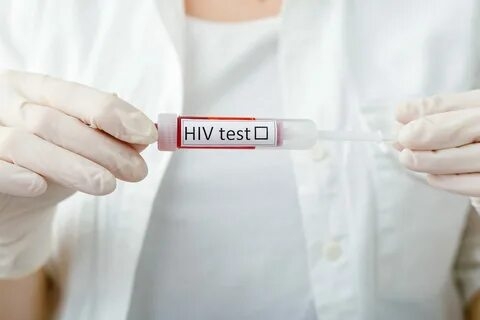
HIV Blood Test: The Difference Between Screening and Confirmatory Testing
Understanding your HIV status is an important part of protecting your health. If you have recently undergone an HIV blood test, you may have encountered terms such as screening test, reactive result, confirmatory test, and HIV diagnosis. Although these terms are closely related, they do not all mean the same thing.
An HIV screening test is designed to identify people who may have HIV infection, while confirmatory testing helps determine whether the initial result is genuinely positive. Both stages are essential because an initial reactive result does not automatically establish an HIV diagnosis.
Modern HIV Blood Test in Dubai methods are highly accurate, and laboratory technology has made early detection more reliable than ever. However, selecting the appropriate test, understanding the HIV window period, and completing the recommended testing process are necessary for accurate results.
In this guide, we explain the difference between HIV screening and confirmatory testing, how each blood test works, what reactive and non-reactive results mean, and when additional testing may be required.
Understanding the Two Stages of HIV Testing
HIV testing generally involves two important stages: initial screening and additional diagnostic testing when indicated.
Although both processes help identify HIV infection, they serve different purposes.
HIV screening testing is the first step. It identifies possible HIV infection by detecting HIV antibodies, antigens, or genetic material, depending on the test.
HIV confirmatory testing involves additional laboratory investigations to establish whether a reactive screening result represents an actual HIV infection.
The distinction is important because screening tests are designed to be highly sensitive. This means they aim to identify nearly everyone who may have HIV, even though occasional false-positive results can occur.
Confirmatory testing improves diagnostic accuracy and helps prevent an incorrect HIV diagnosis.
What Is an HIV Screening Blood Test and How Does It Work?
An HIV screening blood test checks for biological markers associated with HIV infection.
Healthcare facilities commonly use fourth-generation HIV antigen/antibody tests because they can detect both HIV antibodies and the p24 antigen.
The p24 antigen is a viral protein that can become detectable before the body produces measurable levels of HIV antibodies.
Depending on the testing method, an HIV screening test may examine:
-
HIV-1 and HIV-2 antibodies.
-
HIV p24 antigen.
-
HIV genetic material in selected testing situations.
Common Types of HIV Screening Tests
Fourth-generation HIV antigen/antibody test
This laboratory test detects HIV antibodies and the p24 antigen. It is widely used for routine HIV screening because it can identify infection earlier than antibody-only testing.
Third-generation HIV antibody test
This test detects antibodies produced by the immune system in response to HIV infection. It generally has a longer detection window than fourth-generation testing.
Rapid HIV screening test
Rapid tests can provide results within approximately 20–30 minutes, depending on the product. They may use blood from a finger prick or oral fluid.
HIV RNA screening test
An HIV nucleic acid test (NAT) detects the genetic material of the virus. It may be recommended when very recent infection is suspected.
The appropriate screening method depends on the timing of possible exposure, medical history, and healthcare provider recommendations.
What Is Confirmatory HIV Testing?
Confirmatory HIV testing is the additional diagnostic process used to determine whether a reactive screening result represents HIV infection.
A screening result alone should not be treated as a confirmed HIV diagnosis.
In the United States, the CDC-recommended laboratory diagnostic algorithm generally involves the following steps:
-
An HIV-1/HIV-2 antigen/antibody combination immunoassay is performed.
-
If the screening result is reactive, an HIV-1/HIV-2 antibody differentiation immunoassay is performed.
-
If the differentiation test is negative or indeterminate, an HIV-1 nucleic acid test is used to help identify acute infection or resolve the result.
This approach helps distinguish established HIV infection from certain early infections and false-reactive screening results.
The exact testing process may vary between countries and laboratories, but the objective remains the same: establishing an accurate diagnosis before making treatment decisions.
Screening vs Confirmatory HIV Testing: Key Differences Explained
Understanding the differences between these tests makes HIV laboratory reports easier to interpret.
| Feature | Screening Test | Confirmatory Testing |
|---|---|---|
| Main purpose | Detect possible HIV infection | Establish the diagnosis |
| Testing stage | Initial | Follow-up diagnostic stage |
| Common methods | Fourth-generation test, antibody test | Antibody differentiation and NAT |
| Result | Reactive or non-reactive | Helps establish or exclude HIV diagnosis |
| False-positive possibility | Possible | Additional testing helps resolve results |
| Medical importance | Identifies individuals needing further evaluation | Guides diagnosis and treatment decisions |
The main difference is that screening identifies possible infection, while the follow-up diagnostic algorithm determines whether HIV infection is present.
Neither stage should be skipped when additional testing is indicated.
What Does a Reactive HIV Screening Result Mean?
A reactive HIV screening result means the test has detected markers associated with HIV.
However, it does not always mean that the person has HIV.
There are two possible explanations:
True-reactive result: The screening test has detected markers associated with an actual HIV infection.
False-reactive result: The test has produced a reactive result even though the person does not have HIV.
False-reactive results can occur for different reasons, including biological cross-reactivity or other factors affecting laboratory assays.
This is why healthcare professionals recommend completing the diagnostic testing algorithm.
If you receive a reactive HIV screening result, avoid making conclusions based on the initial report alone. Contact your healthcare provider and ask about the next recommended test.
Can an HIV Screening Test Be Positive but the Confirmatory Test Negative?
Yes. This situation can occur.
A reactive screening test followed by a negative antibody differentiation test may indicate a false-reactive initial result.
However, the possibility of very early HIV infection must also be considered.
For this reason, an HIV-1 RNA NAT may be recommended.
The results are generally interpreted as follows:
-
Reactive screening and positive differentiation test: Supports an HIV diagnosis.
-
Reactive screening and negative differentiation test with positive HIV RNA: Indicates acute HIV infection.
-
Reactive screening and negative differentiation test with negative HIV RNA: Usually indicates a false-reactive screening result for HIV-1, although clinical circumstances and possible HIV-2 exposure may require further evaluation.
Your healthcare provider should interpret the complete laboratory findings rather than relying on one result.
How Does the HIV Window Period Affect Test Accuracy?
The HIV window period is the time between exposure to HIV and the point when a particular test can reliably detect infection.
Testing too early may produce a negative result even if infection has occurred.
Different HIV tests have different detection windows:
| HIV Test | Typical Window Period |
|---|---|
| HIV RNA NAT | 10–33 days |
| Laboratory fourth-generation test | 18–45 days |
| Rapid antigen/antibody finger-stick test | 18–90 days |
| HIV antibody test | 23–90 days |
These ranges apply to people who have not taken antiretroviral medications that may affect test detection.
A negative screening result obtained during the window period does not necessarily exclude HIV infection.
If you have had recent unprotected sex or another possible exposure, consult a healthcare professional about the appropriate testing schedule.
If exposure occurred within the previous 72 hours, seek urgent medical advice about post-exposure prophylaxis (PEP). Do not wait for an HIV test result before seeking assessment.
Which HIV Blood Test Is More Reliable?
No single test is ideal for every situation. Reliability depends on the timing of exposure, testing technology, and whether the recommended diagnostic process has been completed.
For routine laboratory screening, the fourth-generation HIV antigen/antibody test is widely preferred.
Its ability to detect both antibodies and the p24 antigen provides an advantage over antibody-only tests during early infection.
HIV RNA NAT testing can detect infection earlier in some situations, especially when acute HIV infection is suspected.
However, a screening test and an HIV RNA test serve different purposes within the diagnostic process.
For the most reliable outcome, follow the complete testing recommendations provided by your healthcare professional.
What Happens After HIV Infection Is Confirmed?
If additional testing confirms HIV infection, your healthcare provider will discuss the next steps.
These may include:
-
HIV viral load testing.
-
CD4 cell count assessment.
-
Drug resistance testing.
-
Kidney and liver function investigations.
-
Hepatitis and sexually transmitted infection screening.
-
Starting antiretroviral therapy (ART).
Current medical guidelines recommend antiretroviral treatment for everyone diagnosed with HIV, regardless of CD4 count.
Modern HIV medications can suppress viral replication, protect immune function, and help people maintain good long-term health.
With consistent treatment, many people achieve an undetectable viral load. When viral suppression is sustained, HIV is not transmitted through sexual contact. This principle is known as U=U, or Undetectable = Untransmittable.
Early diagnosis and treatment are therefore important for both individual health and HIV prevention.
Common Mistakes to Avoid During HIV Testing:
Misunderstanding HIV test results can create unnecessary anxiety or delay appropriate medical care.
Avoid these common mistakes:
Assuming a reactive screening test confirms HIV: Additional diagnostic testing is required.
Testing too early: A test performed before the end of its detection window may not identify a recent infection.
Ignoring follow-up testing: Completing the recommended testing schedule is essential for accurate results.
Relying on symptoms: HIV can occur without noticeable symptoms, and symptoms alone cannot establish a diagnosis.
Stopping after an initial negative result: If the test was performed during the window period, repeat testing may be necessary.
Self-interpreting complex laboratory reports: Ask a qualified healthcare professional to explain reactive, non-reactive, positive, and indeterminate results.
Frequently Asked Questions About HIV Screening and Confirmatory Testing:
Is an HIV screening test the same as a confirmatory test?
No. Screening tests identify possible HIV infection, while additional diagnostic testing establishes whether a reactive result represents an actual infection.
Does a reactive HIV screening test mean I have HIV?
Not necessarily. A reactive result requires follow-up testing because false-reactive screening results can occur.
Can a fourth-generation HIV test detect infection early?
Yes. A laboratory-based fourth-generation HIV test can typically detect HIV within 18–45 days after exposure.
What happens if the HIV screening test is reactive but the second test is negative?
An HIV RNA NAT may be recommended to distinguish acute HIV infection from a false-reactive screening result.
Which test confirms HIV infection?
The CDC diagnostic algorithm uses an HIV antigen/antibody screening assay, an HIV-1/HIV-2 antibody differentiation assay, and an HIV-1 NAT when indicated.
Can a negative HIV screening test rule out infection?
A negative result can reliably exclude infection when the appropriate window period has passed and no new exposure or medication-related testing considerations apply.
Final Thoughts:
Understanding the difference between HIV screening and confirmatory testing is essential for interpreting blood test results correctly. A screening test identifies possible HIV infection, but a reactive result does not automatically establish a diagnosis.
Additional Lab tests, including HIV antibody differentiation and nucleic acid testing when indicated, helps healthcare professionals reach an accurate conclusion.
If you receive a reactive HIV screening result, remain calm, complete the recommended diagnostic process, and consult a qualified healthcare provider. If HIV is confirmed, modern antiretroviral therapy offers highly effective treatment and the opportunity to maintain a healthy, fulfilling life.
The most important message is simple: accurate testing, timely diagnosis, and appropriate medical care make a meaningful difference.

 English
 Arabic
 French
 Spanish
 Portuguese
 Deutsch
 Turkish
 Italiano
 Russian
 Romaian
 Portuguese (Brazil)
 Greek
