


What Is the Best Age to Consider Eyelid Surgery?
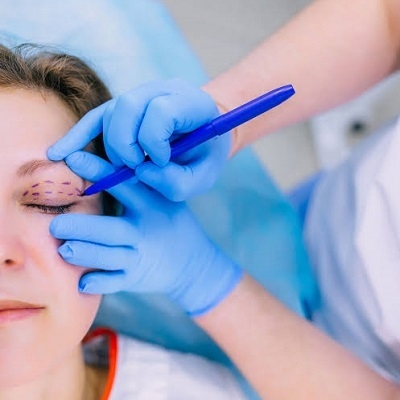
Ageing is a natural process that gradually affects the skin, muscles, and tissues around the eyes. Over time, the eyelids may begin to droop, excess skin can develop, and pockets of fat may create noticeable puffiness beneath the eyes. These changes can make a person appear tired or older, even when they feel healthy and energetic. For individuals exploring Eyelid Surgery in Muscat, one common question is whether there is a particular age when the procedure becomes most suitable.
The truth is that there is no single perfect age for eyelid surgery. Some individuals begin noticing eyelid changes in their thirties, while others may not experience significant concerns until their fifties or sixties. Genetics, skin elasticity, lifestyle habits, facial anatomy, and overall health all influence when someone might consider this procedure. Rather than focusing entirely on age, it is more important to understand the condition of the eyelids and whether surgery can provide meaningful cosmetic or functional benefits.
Eyelid surgery, medically known as blepharoplasty, is designed to remove or reposition excess skin, muscle, and fat around the eyes. Understanding how age affects the eyelids and what makes someone a suitable candidate can help individuals make informed decisions about treatment.
1. Is There an Ideal Age for Eyelid Surgery?
There is no universally recommended age for eyelid surgery because every individual experiences facial ageing differently. While many people consider the procedure between their forties and sixties, younger adults may also benefit when hereditary factors cause noticeable eyelid concerns.
The decision generally depends on the patient's anatomy, skin condition, medical history, and personal goals rather than their age alone.
For example, someone in their early thirties may develop prominent under-eye bags because of inherited fat distribution. Another individual in their late fifties may have relatively firm eyelid skin and little excess tissue.
The most suitable time for surgery is usually when:
-
Excess eyelid skin becomes noticeable and bothersome.
-
Under-eye bags remain visible despite adequate rest.
-
Drooping upper eyelids affect facial appearance.
-
Loose skin interferes with the upper field of vision.
-
The individual is in suitable general health.
-
Non-surgical approaches are unlikely to address the concern effectively.
A professional assessment helps determine whether surgery is appropriate and whether the expected benefits justify the procedure.
2. Considering Eyelid Surgery in Your 30s and 40s
The thirties and forties are often when early signs of ageing become more noticeable around the eyes. Although significant eyelid sagging is not common in everyone at this stage, some individuals begin experiencing changes that affect their facial appearance.
Eyelid Surgery in Your 30s
People in their thirties may consider eyelid surgery when hereditary characteristics contribute to under-eye bags, naturally heavy upper eyelids, or excess skin.
At this age, the skin generally retains more elasticity than it does later in life. However, genetics can influence the appearance of the eye area long before age-related skin changes become prominent.
Common concerns include:
-
Hereditary under-eye puffiness.
-
Naturally heavy upper eyelids.
-
Early lower eyelid fat protrusion.
-
Noticeable differences between the upper eyelids.
-
Persistent tired-looking eyes despite adequate sleep.
Not every concern requires surgery. Depending on the underlying cause, skincare, lifestyle adjustments, or other treatments may be more appropriate.
A careful assessment is particularly important for younger patients because surgery should address a genuine anatomical concern rather than being considered simply as a preventive measure.
Eyelid Surgery in Your 40s
The forties are a common period when individuals begin noticing more obvious changes around the eyes. Collagen production gradually decreases, skin elasticity becomes reduced, and the supporting tissues around the eyelids may weaken.
As a result, upper eyelid skin may begin to fold or hang more noticeably. Lower eyelid bags may also become more prominent.
During this stage, blepharoplasty may help address:
-
Mild to moderate upper eyelid sagging.
-
Excess skin creating a heavy appearance.
-
Persistent puffiness beneath the eyes.
-
Early changes in the lower eyelid contour.
Some individuals may benefit from upper eyelid surgery alone, while others may require treatment of the lower eyelids as well.
The recommended approach depends on the patient's individual anatomy and the condition of the surrounding tissues.
3. Why People in Their 50s and 60s Often Consider Eyelid Surgery
The fifties and sixties are common ages for considering blepharoplasty because age-related changes around the eyes may become more pronounced.
During these decades, the skin often loses elasticity, muscles may become weaker, and fat distribution around the eyes can change. These developments can contribute to loose eyelid skin, deeper folds, and prominent under-eye bags.
Eyelid Changes During the 50s
By the fifties, some individuals experience noticeable excess skin on the upper eyelids. In certain cases, the skin may extend over the natural eyelid crease and create a heavier appearance.
Lower eyelid concerns can also become more visible, particularly when loose skin and fat protrusion develop together.
Upper eyelid surgery may help remove carefully selected excess skin, while lower eyelid surgery may improve the appearance of under-eye bags.
For individuals whose upper eyelid skin interferes with peripheral vision, surgery may also provide functional benefits when medically indicated.
Eyelid Changes During the 60s
People in their sixties may also be suitable candidates for eyelid surgery. However, a more detailed medical assessment is important because age-related health conditions and changes in eye function can influence surgical planning.
The assessment may consider:
-
Overall physical health.
-
Blood pressure and other medical conditions.
-
Skin quality and eyelid elasticity.
-
Tear production and dry-eye symptoms.
-
Existing eye conditions.
-
Medication use and bleeding risks.
Age alone does not automatically prevent someone from undergoing blepharoplasty. A healthy individual in their sixties may be a better candidate than a younger person with certain uncontrolled medical conditions.
The main priority is ensuring that the potential benefits outweigh the risks.
4. What Factors Matter More Than Age When Considering Eyelid Surgery?
Although age provides some indication of how the skin and surrounding tissues may have changed, it is not the only factor that determines suitability.
Several individual characteristics influence whether eyelid surgery is likely to produce satisfactory results.
Skin Elasticity and Eyelid Condition
Skin elasticity plays an important role in surgical planning. Individuals with loose or excess eyelid skin may benefit from removing carefully selected tissue.
However, patients with significant skin laxity or underlying eyelid weakness may require additional considerations to maintain proper eyelid function.
Overall Eye Health
Healthy eye function is essential when considering blepharoplasty. Individuals with dry eyes, glaucoma, thyroid-related eye conditions, or previous eye surgery may require additional assessment.
The surgeon may evaluate tear production, eyelid closure, and the position of the eyes before recommending treatment.
General Health and Medical History
Medical conditions can influence the safety of surgery and recovery. Conditions such as uncontrolled diabetes, high blood pressure, or bleeding disorders may require careful management.
Patients should also disclose all medications and supplements because some can increase bleeding risks.
Realistic Expectations
Eyelid surgery can improve the appearance of the eyelids, but it cannot completely stop ageing or correct every concern around the eyes.
For example, blepharoplasty does not necessarily remove dark circles caused by pigmentation, improve deep wrinkles across the entire face, or correct drooping eyebrows.
Understanding what the procedure can and cannot achieve helps patients develop realistic expectations.
5. Upper vs. Lower Eyelid Surgery: Which Procedure Is Suitable at Different Ages?
The choice between upper and lower eyelid surgery depends on the location and nature of the concern rather than the patient's age.
Upper Eyelid Surgery
Upper blepharoplasty focuses on excess skin and tissue around the upper eyelids.
It may be suitable for individuals who experience:
-
Drooping or heavy upper eyelids.
-
Excess skin creating visible folds.
-
A tired or aged appearance around the eyes.
-
Reduced upper peripheral vision caused by excess eyelid skin.
The incision is generally placed within the natural upper eyelid crease, helping keep the resulting scar relatively discreet.
Lower Eyelid Surgery
Lower blepharoplasty focuses on puffiness, under-eye bags, and excess skin beneath the eyes.
Depending on the patient's anatomy, the surgeon may remove or reposition fat and adjust loose skin.
Some procedures use an incision inside the lower eyelid, while others involve an incision just below the eyelashes.
Combined Upper and Lower Eyelid Surgery
Some individuals have concerns affecting both the upper and lower eyelids. In these cases, treating both areas may be considered.
However, combined surgery is not automatically the best option. The treatment plan should be based on the patient's facial anatomy, health, and desired outcome.
A personalised consultation helps establish which approach is most appropriate.
6. How to Prepare for Eyelid Surgery and Maintain Results
Once an individual has been assessed as a suitable candidate, preparation becomes an important part of the treatment journey.
Proper planning helps patients understand the procedure, reduce avoidable risks, and manage recovery expectations.
Before Surgery
The preparation process generally involves a medical consultation, eyelid examination, and review of the patient's health history.
Patients may be advised to:
-
Provide details of existing medical conditions.
-
Discuss previous eye procedures.
-
Review medications and supplements.
-
Stop smoking for the recommended period.
-
Follow instructions regarding alcohol consumption.
-
Arrange transportation after surgery.
-
Prepare for time away from work and strenuous activities.
Prescribed medications should never be discontinued without professional advice.
During Recovery
Mild swelling, bruising, tightness, and temporary eye irritation are common after eyelid surgery.
Many patients can resume light daily activities within approximately one to two weeks, although recovery varies.
Following post-operative instructions is essential. Patients may be advised to use cold compresses, keep their heads elevated while resting, avoid rubbing their eyes, and temporarily avoid strenuous exercise.
Sudden vision changes, severe pain, rapidly increasing swelling, or significant bleeding require immediate medical attention.
Maintaining Long-Term Results
The results of eyelid surgery are generally long-lasting, but the natural ageing process continues.
Maintaining healthy habits can help support the appearance of the surrounding skin. These include using suitable sun protection, avoiding smoking, following a balanced diet, and maintaining a consistent skincare routine.
Regular eye examinations are also important, particularly for individuals with existing eye conditions.
Ultimately, choosing the right time for eyelid surgery involves balancing personal concerns, medical suitability, and realistic expectations. A qualified surgical professional can help determine whether the procedure is appropriate and which technique may provide the most suitable outcome.
Frequently Asked Questions About the Best Age for Eyelid Surgery
1. What is the best age to get eyelid surgery?
There is no specific best age for eyelid surgery. Many people consider it during their forties, fifties, or sixties, but younger adults with hereditary eyelid concerns may also be suitable candidates. The decision depends on eyelid condition, general health, and individual treatment goals.
2. Can someone get eyelid surgery in their 30s?
Yes, adults in their thirties may consider eyelid surgery, particularly when genetics contribute to prominent under-eye bags or naturally heavy upper eyelids. A professional assessment helps determine whether surgery is necessary or whether another treatment may be more appropriate.
3. Is 50 too old for eyelid surgery?
No. Fifty is not too old for blepharoplasty. Many individuals in their fifties are suitable candidates, provided they are in appropriate health and have realistic expectations about the procedure.
4. Can people over 60 undergo eyelid surgery?
Yes, individuals over 60 may undergo eyelid surgery if their overall health and eye condition allow it. A detailed medical evaluation is important to identify any conditions that could increase surgical risks.
5. How long do eyelid surgery results last?
Results can last for many years, although they vary between individuals. Upper eyelid surgery results may remain noticeable for approximately five to ten years or longer, while lower eyelid improvements are often particularly long-lasting. Natural ageing continues after surgery.
6. Does eyelid surgery prevent future ageing around the eyes?
No. Eyelid surgery addresses existing excess skin, fat, and other tissue concerns, but it does not stop the natural ageing process. The skin and surrounding tissues will continue to change over time.
Final Thoughts
The best age to consider eyelid surgery depends more on individual needs than on a specific number. While people in their forties, fifties, and sixties commonly explore the procedure, younger adults with hereditary eyelid concerns may also benefit from an appropriate assessment.
For individuals researching eyelid surgery in Muscat, understanding the causes of eyelid ageing, available surgical techniques, recovery expectations, and potential risks is an important first step.
A personalised consultation with an appropriately qualified surgeon can help determine whether upper eyelid surgery, lower eyelid surgery, or a combination of both is suitable. With careful planning, realistic expectations, and proper aftercare, patients can make informed decisions about improving their eyelid appearance while prioritising eye health and safety.
Read More About Eyelid Surgery in Muscat: https://bout-ye.com/blogs/10562/Does-Eyelid-Surgery-Leave-Visible-Scars

 English
 Arabic
 French
 Spanish
 Portuguese
 Deutsch
 Turkish
 Dutch
 Italiano
 Russian
 Romaian
 Portuguese (Brazil)
