


Preventative Nutrition and Women’s Longevity: A Scientific Perspective
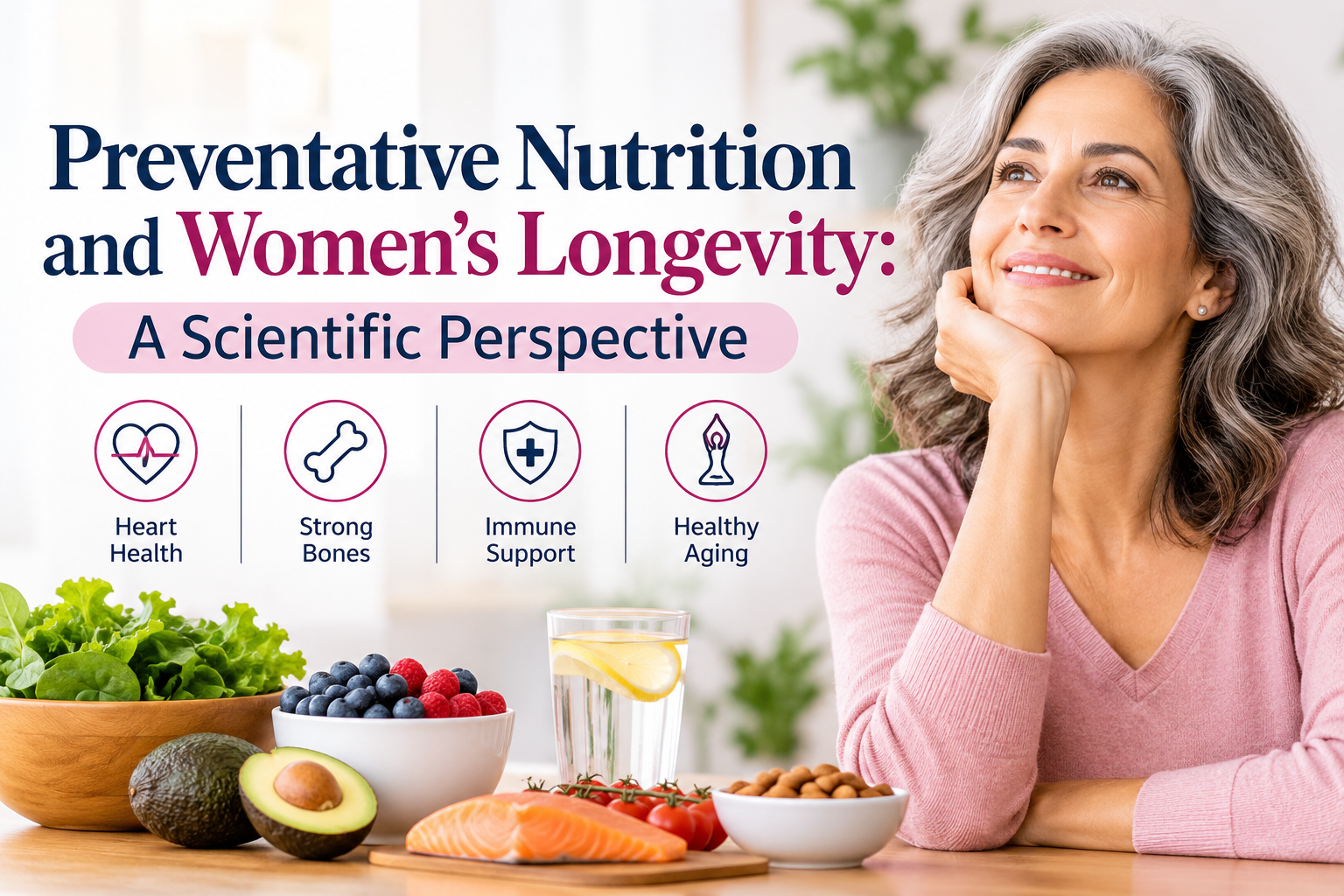
Maintaining long-term wellness requires a move beyond cultural myths toward evidence-based lifestyle choices. While certain beverages are often discussed in the context of health, medical professionals emphasize that true longevity is built on nutrient-dense nutrition and informed preventative care.
The Role of Antioxidants in Cellular Health
Antioxidants such as polyphenols and resveratrol are vital for protecting the body against oxidative stress. While these compounds are frequently associated with skin health and anti-aging, the source of these nutrients is a critical factor in their effectiveness.
-
Concentration Reality: From a scientific perspective, the actual amount of resveratrol found in a standard glass of wine is quite low.
-
Optimal Sources: Health experts recommend prioritizing whole fruits like grapes and berries as safer, more efficient ways to obtain antioxidants.
-
The Ethanol Factor: It is important to remember that alcohol—whether in beer, wine, or spirits—is fundamentally a toxin.
-
Skin and Aging: While polyphenols are linked to skin benefits, a balanced diet and proper hydration remain the most effective methods for maintaining skin texture.
Cardiovascular Longevity and Evidence-Based Research
Heart health is a cornerstone of women's preventative medicine. Data from the National Library of Medicine suggests a preventive correlation between low-to-moderate consumption and cardiovascular wellness.
Much of this scientific debate explores the potential health benefits of red wine, specifically its distinctive and rich antioxidant content. However, the American Heart Association advises that if you do consume such beverages, you must do so only in moderation. For those seeking cardiovascular protection, these benefits are easily achieved through a balanced diet of vegetables and consistent water intake. Crucially, individuals should not start drinking specifically for unproven health benefits.
Understanding Hormonal Balance and Disease Risk
Women’s bodies process substances differently, and certain lifestyle choices can have a direct impact on the endocrine system and overall disease risk.
-
Oncological Risks: Even small amounts of regular alcohol consumption can increase the risk of breast cancer in women.
-
Hormonal Stimulation: Consumption can stimulate hormonal levels, such as insulin and estrogen.
-
Metabolic Impact: These hormonal shifts are often linked to the development or management of conditions like PCOS and PCOD.
-
Hepatological Health: Conditions like hepatitis and cirrhosis, often categorized as liver damage, are more common in women who drink excessively than in men.
Reproductive Wellness and Maternal Health
Beyond general wellness, lifestyle choices play a significant role in reproductive outcomes and maternal safety.
-
Fertility Issues: Alcohol intake is associated with significant fertility issues, including an increased risk of infertility or pregnancy loss.
-
Pregnancy Safety: Pregnant women should strictly avoid any form of alcohol consumption to prevent serious health complications.
Conclusion: A Holistic Path to Wellness
Achieving longevity involves weighing potential benefits against established risks. While specific compounds may offer some neurological or heart protections, they are only effective as part of a broader health-first strategy. Always seek expert medical advice before making decisions regarding consumption, especially if you are taking medication or have underlying health conditions.
Disclaimer: This content is for informational and educational purposes only and is not intended as medical advice. Always consult a qualified healthcare professional before making health-related decisions.

 Arabic
 French
 Spanish
 Portuguese
 Deutsch
 Turkish
 Dutch
 Italiano
 Russian
 Romaian
 Portuguese (Brazil)
 Greek
