


Why Equipment Inspection Matters Before Starting a Construction Project
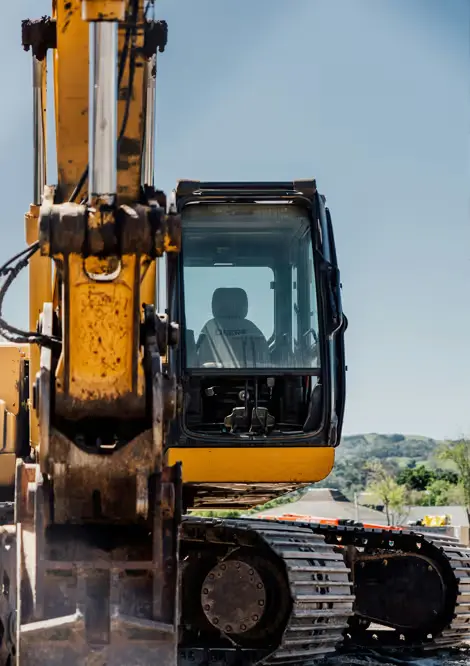
Construction machinery plays a critical role in keeping projects on schedule. However, even well-maintained machines can develop problems that affect performance and workplace safety. Conducting equipment inspections before work begins helps contractors identify potential issues, reduce unexpected downtime, and maintain consistent operations.
Identifying Mechanical Problems Early
A pre-operation inspection allows operators to check the machine's general condition before using it. Engine leaks, damaged hoses, loose components, worn tires, and faulty warning systems can create operational problems if left unaddressed.
Operators should follow the manufacturer's inspection checklist and report any defects to the responsible maintenance team. Equipment that presents a serious safety concern should not be used until the problem has been assessed and corrected.
Checking Hydraulic and Mechanical Systems
Hydraulic systems are essential to the operation of many excavators, loaders, and other heavy machines. Damaged hoses, fluid leaks, or unusual pressure changes may affect lifting, digging, and material handling performance.
Other important inspection points include brakes, steering, tracks, tires, electrical systems, and safety guards. The specific checks required depend on the type of machinery and its intended application.
Contractors looking for suitable heavy equipment inspection practices should establish consistent procedures that address both machine condition and operating requirements.
Keeping Accurate Maintenance Records
Inspection records help construction businesses track recurring faults, completed repairs, and scheduled maintenance. This information allows managers to identify patterns and plan servicing before minor issues become major mechanical failures.
Accurate records are also useful when evaluating the condition of machinery before purchasing used equipment. Reviewing service history alongside a professional inspection provides a more complete understanding of a machine's condition.
Improving Operator Safety
Equipment inspections should include safety features such as seat belts, mirrors, lights, alarms, and emergency controls where applicable. Operators must also understand the machine's limitations and use it only for suitable tasks.
On busy construction sites, supervisors should ensure that workers remain clear of moving machinery and that equipment is operated on appropriate ground conditions. Regular training reinforces safe working practices and encourages operators to report problems promptly.
Reducing Unplanned Downtime
Unexpected equipment failure can interrupt several activities at once. A machine breakdown may delay material movement, excavation, or other scheduled work, affecting both labor productivity and project deadlines.
A structured inspection routine helps identify developing problems early. When combined with preventive maintenance and sensible equipment scheduling, it can reduce avoidable interruptions and improve project planning.

 English
 Arabic
 French
 Spanish
 Portuguese
 Deutsch
 Turkish
 Dutch
 Russian
 Romaian
 Portuguese (Brazil)
 Greek
