


A Practical Guide to Selecting Circuit Breakers for Electrical Systems
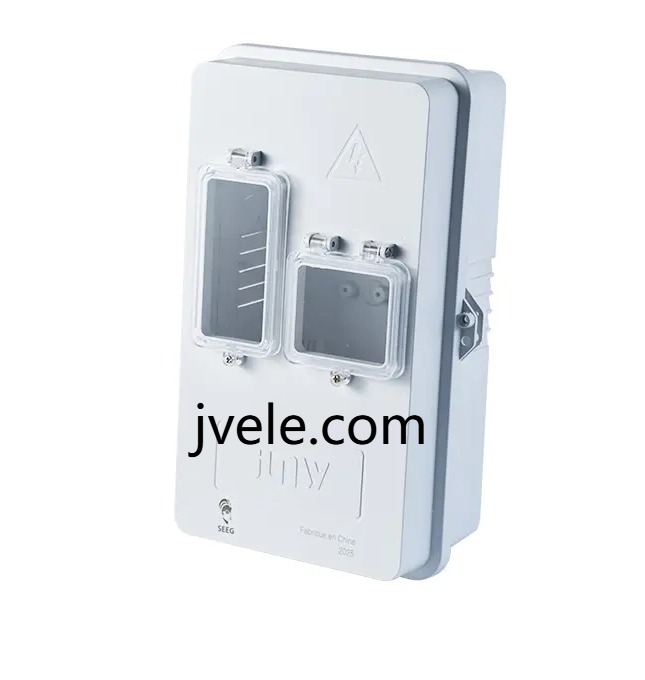
Electrical distribution systems depend on protective components that respond when a circuit experiences an abnormal condition. In residential, commercial, and industrial installations, circuit breakers help protect wiring and connected equipment by interrupting current under specified fault conditions. A DPN MCB is a type of miniature circuit breaker used in electrical distribution applications, and its role depends on the relationship between its internal mechanism, conductive parts, insulating structure, and installation environment. Understanding these elements helps buyers evaluate the device as part of a complete electrical system rather than as an isolated component.
Material selection influences the mechanical and electrical properties of a circuit breaker. Conductive components need to support reliable electrical contact, while insulating materials separate energized parts and help prevent unintended contact. The enclosure provides a protective structure for the internal mechanism and may be designed to withstand the conditions associated with its intended installation. Contact materials, spring elements, and supporting components also contribute to the device's operation. Buyers should consider the complete construction, including insulation and assembly quality, instead of focusing only on the visible housing.
Selecting a suitable circuit breaker begins with reviewing the electrical system in which it will be installed. The type of circuit, connected loads, wiring arrangement, and expected operating conditions all influence the selection. Buyers should also consider how the breaker fits into the distribution board and whether its connection arrangement is compatible with the surrounding components. Product documentation and applicable electrical requirements provide important guidance. Since circuit protection is a safety-critical function, selection and installation should be handled by qualified professionals who can assess the application and confirm the appropriate protective arrangement.
The operating principle of a miniature circuit breaker involves detecting abnormal current conditions and opening the circuit when the relevant mechanism responds. Thermal protection is commonly used to respond to sustained overload conditions, while magnetic protection can react to short-circuit current. When the breaker trips, its contacts separate and interrupt the electrical path. The internal arc-control arrangement helps manage the arc created during contact separation. These mechanisms work together to provide circuit protection, but the device must be selected and coordinated with the wider electrical system to serve its intended purpose.
Manufacturing quality affects the consistency of the protective mechanism. Internal parts must be assembled in a way that supports the intended movement of contacts, operating mechanisms, and trip components. The relationship between conductive and insulating elements is also important. Inspection and testing procedures can help manufacturers identify assembly problems and verify product performance according to applicable requirements. For procurement teams, reviewing product documentation, certification information, and quality practices can support a more informed assessment. These details are particularly relevant when breakers are incorporated into larger distribution assemblies or supplied as part of an equipment package.
The experience of electricians and maintenance personnel depends on how easily the breaker can be installed, identified, and inspected. Clear terminal markings can help qualified installers recognize connection points, while a practical mounting arrangement supports orderly placement within a distribution board. The operating handle should be accessible, and product identification should remain readable during routine inspection. Maintenance planning may include checking for signs of overheating, physical damage, or abnormal operation. Electrical inspection must follow appropriate safety procedures, and personnel should isolate the relevant circuit before carrying out work.
Design and appearance influence how a circuit breaker fits into a distribution system. A compact, organized housing can help make effective use of panel space, while a consistent exterior supports a neat arrangement of protective devices. Clear labels and visible operating positions can make the installation easier to understand during inspection or troubleshooting. However, external appearance should not replace attention to electrical suitability, internal construction, or compliance with applicable requirements. A well-designed breaker combines a practical form with accessible operation and an internal structure suited to its protective role.
Zhejiang Junwei Electric Co., Ltd. provides electrical products for businesses seeking components for distribution and protection applications. When evaluating a miniature circuit breaker for a project, buyers can discuss the intended circuit, installation arrangement, compatibility needs, and relevant documentation with the company. Reviewing these requirements helps clarify the product's intended use and supports more informed procurement and integration decisions. Further information about the company's products is available at https://www.jvele.com/

 English
 French
 Spanish
 Portuguese
 Deutsch
 Turkish
 Dutch
 Italiano
 Russian
 Romaian
 Portuguese (Brazil)
 Greek
