


How to Manage Catheter-Related Discomfort While Recovering at Home
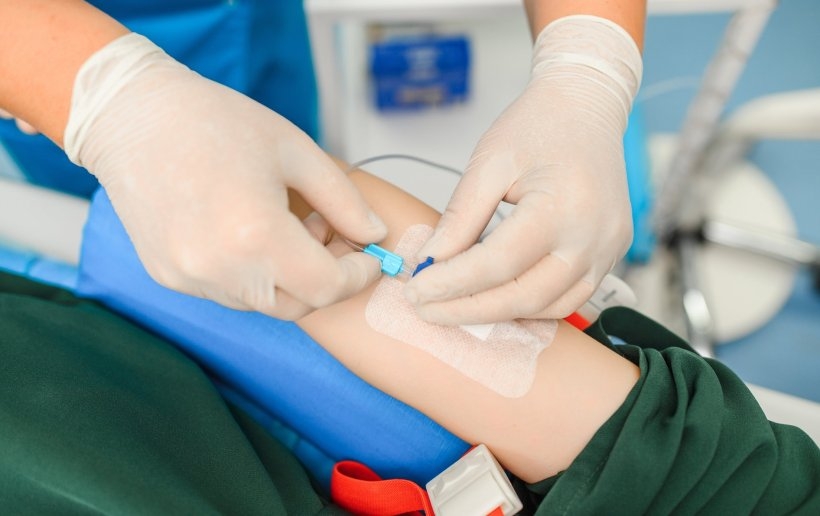
Recovering at home with a urinary catheter can sometimes involve discomfort, irritation, or changes in daily routines. Patients may experience mild pulling sensations, bladder spasms, skin sensitivity, or inconvenience while moving and sleeping. Understanding how to manage these concerns can make recovery more comfortable and help prevent avoidable complications. With appropriate guidance, Catheter Care at Home Dubai can support patients through a safer and more organized recovery process. A qualified healthcare professional, including a Doctor at Home when appropriate, can assess persistent symptoms and explain how to manage the catheter according to the patient's medical needs.
Understanding Common Causes of Catheter-Related Discomfort:
Catheter-related discomfort can occur for several reasons, depending on the type of catheter, how long it has been in place, and the patient's overall condition. Some people notice mild irritation where the catheter enters the body, while others experience pressure, bladder spasms, or discomfort when changing positions. Tubing that becomes twisted, compressed, or pulled can also create tension. In some cases, discomfort may be associated with constipation, infection, bladder irritation, or a drainage problem. Patients should not assume that every symptom is a normal part of recovery. Understanding when discomfort occurs, how long it lasts, and whether other symptoms are present can help healthcare professionals identify the cause.
Keeping the Catheter Secure to Reduce Pulling:
Unnecessary movement or tension on a catheter can irritate surrounding tissues and make everyday activities uncomfortable. The catheter should be secured using the recommended fixation device or method so that it does not move excessively when the patient walks, sits, or changes position. Ensure that the tubing has enough slack for normal movement without hanging heavily or becoming trapped beneath the body. Avoid pulling, twisting, or pushing the catheter to adjust its position. If the securing device causes redness, pressure, or skin irritation, ask a healthcare professional to review it. Proper catheter support can make daily movement easier while reducing the risk of accidental displacement.
Helpful habits include:
-
Check that the catheter is secured comfortably.
-
Keep tubing free from tight bends and pressure.
-
Avoid pulling the tube when changing clothes.
-
Check the tubing before moving from a bed to a chair.
-
Ask a nurse to assess persistent skin irritation.
-
Never attempt to reposition or reinsert the catheter yourself.
Maintaining Hygiene to Prevent Skin Irritation:
Gentle daily hygiene can help keep the skin around the catheter clean and reduce irritation caused by moisture, friction, or soiling. Wash hands before and after catheter care, then clean the surrounding area with mild soap and water unless the healthcare professional recommends another method. Avoid scrubbing, pulling the tube, or using scented products, powders, antiseptics, and creams unless specifically advised. Rinse away soap if necessary and pat the skin dry with a clean towel. If the patient has a suprapubic catheter, follow the specific instructions provided for cleaning the abdominal insertion site. Redness, swelling, unusual discharge, or increasing tenderness should be reported rather than treated with unprescribed products.
Managing Bladder Spasms and Pressure Sensations:
Some catheter users experience bladder spasms, which may feel like sudden cramping, pressure, or an urgent need to urinate even while the catheter is draining. These sensations can occur because the bladder reacts to the presence of the catheter, but they may also be associated with infection, constipation, or drainage problems. Check that the tubing is not kinked or compressed and that the drainage bag is positioned below bladder level. Do not pull or manipulate the catheter to relieve pressure. If spasms are frequent, painful, or accompanied by leakage, fever, or lower abdominal discomfort, contact the treating healthcare professional. A clinician can assess the cause and determine whether medication or another treatment is appropriate.
Choosing Comfortable Positions During Recovery:
The way a patient sits, lies down, or moves can affect catheter comfort. Avoid positions that place pressure on the tubing or cause the drainage bag to pull against the catheter. When resting in bed, arrange the tubing so it can move naturally without becoming trapped beneath the patient's legs or body. Keep the drainage bag below bladder level and secure it so it does not hang heavily. When sitting in a chair, check that the tube is not caught between the body and the seat. Patients recovering after surgery or living with limited mobility may need assistance with repositioning. Gentle movement should follow the treating clinician's advice, especially when the catheter was recently inserted.
Supporting Comfort Through Appropriate Hydration:
Adequate fluid intake may help prevent urine from becoming excessively concentrated, which can sometimes contribute to bladder irritation. However, the amount of fluid a patient should drink depends on individual health needs. People with kidney or heart conditions, or those given fluid restrictions, should follow their prescribed plan rather than increasing water intake independently. Caregivers can monitor changes in urine output and report concerns to the healthcare team. Strong-smelling or cloudy urine alone does not establish that an infection is present. If changes occur alongside fever, chills, pain, or feeling unwell, medical assessment is important. Hydration should support recovery without disregarding other medical conditions.
Recognizing When Discomfort May Indicate a Complication:
Not all catheter-related discomfort should be managed with routine adjustments. Increasing pain, persistent burning, new lower abdominal or pelvic discomfort, fever, chills, blood in the urine, or unusual discharge may indicate a problem that needs medical assessment. Leakage around the catheter, a sudden reduction in urine drainage, or repeated bladder spasms should also be discussed with a healthcare professional. Cloudy or foul-smelling urine alone does not confirm a urinary tract infection, but it is worth mentioning if it represents a new change. Seek urgent medical care if the catheter stops draining and the patient develops bladder pain or swelling, or if there is severe pain, significant bleeding, or signs of serious illness. Do not wait for a routine home visit when urgent symptoms occur.
Following Safe Catheter Care Practices Every Day:
A consistent daily routine can help reduce avoidable irritation and make catheter management easier during recovery. Keep the drainage system closed, avoid unnecessary disconnections, and ensure that the collection bag remains below bladder level. Empty the bag before it becomes overly full, following the recommended procedure, and prevent the outlet from touching the toilet or container. Check the tubing for kinks and observe the skin for redness or discomfort. Do not flush, remove, replace, or reposition the catheter unless the procedure is performed by an appropriately qualified professional or someone specifically trained and authorized to do so. Patients and caregivers can also keep a record of symptoms and questions for follow-up appointments.
How Professional Home Care Can Support Recovery:
Professional support can be valuable when patients feel uncertain about catheter management or need assistance with daily hygiene. Qualified nurses can explain safe cleaning methods, check the visible catheter system, assess the surrounding skin, and help caregivers understand warning signs. They can also review whether the patient's routine follows the instructions provided by the treating doctor. Catheter replacement, irrigation, and other invasive procedures must be handled by appropriately trained and authorized healthcare professionals. Reliable Catheter Care at Home Dubai should include clear care instructions and access to medical advice when symptoms change. Home nursing support can complement medical treatment, but it does not replace urgent assessment when serious symptoms develop.
Final Thoughts
Catheter-related discomfort can affect sleep, movement, hygiene, and confidence during recovery at home. Gentle cleaning, secure catheter positioning, comfortable movement, and correct drainage bag placement can help reduce avoidable irritation. However, persistent or worsening discomfort should never be ignored, as it may indicate infection or another complication. Following professional instructions and seeking timely medical advice can help patients manage Catheter Care at Home Dubai more safely while focusing on recovery and everyday comfort.

 English
 Arabic
 French
 Spanish
 Portuguese
 Deutsch
 Turkish
 Dutch
 Italiano
 Russian
 Romaian
 Greek
