


How to Keep Towels Soft in Hard Water Areas in the UK
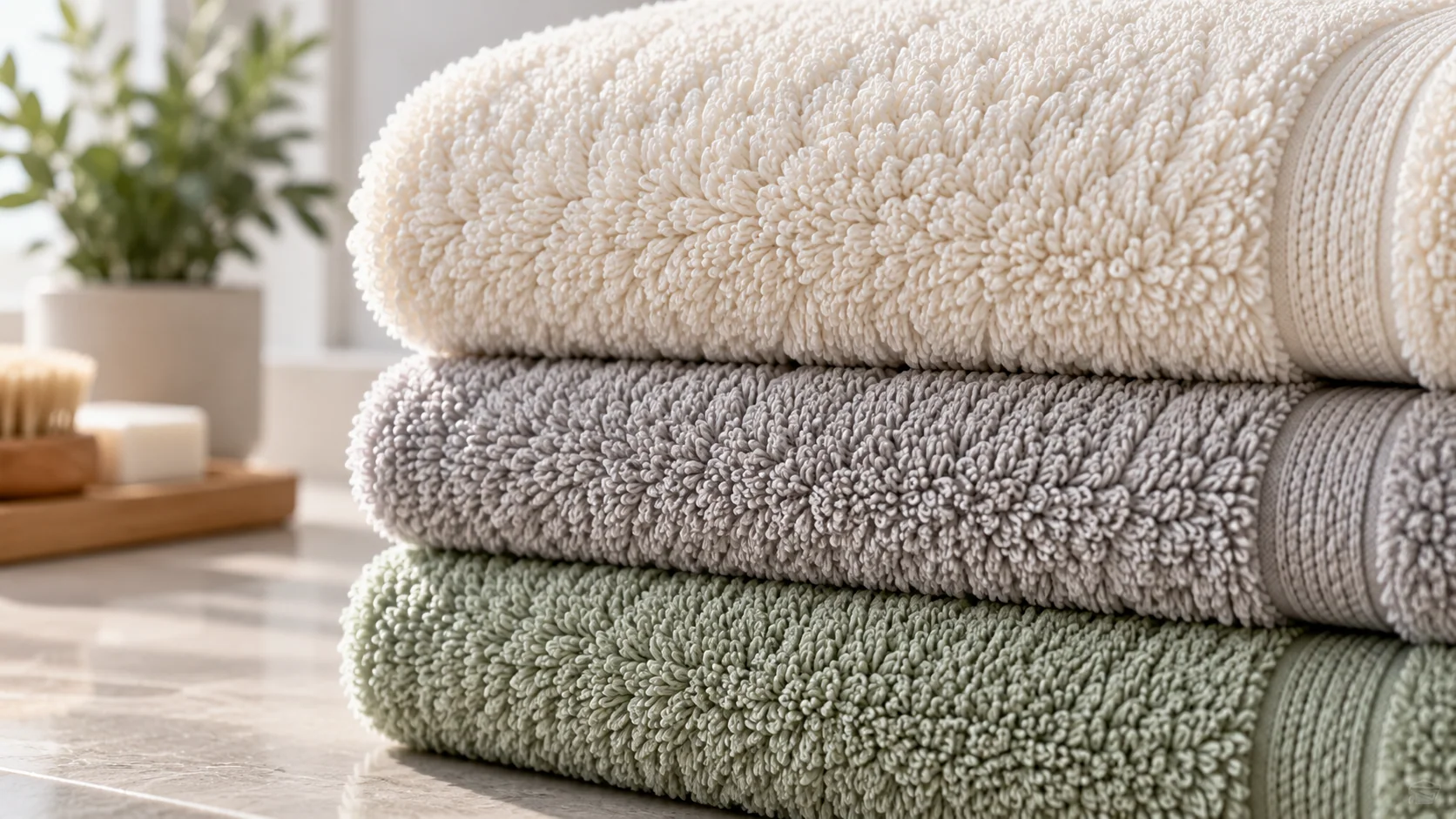
Keeping towels soft and fluffy can be challenging, especially if you live in a hard water area in the UK. You might wash your towels regularly, use good-quality detergent, and follow the care instructions, yet they still become rough, stiff, and less comfortable over time. The main reason could be the mineral content in your water.
Hard water contains higher levels of minerals, particularly calcium and magnesium. These minerals can build up in towel fibres during washing, making the fabric feel rough and reducing its ability to absorb moisture. Fortunately, a few simple changes to your laundry routine can help protect towel fibres and maintain their softness.
Understanding how hard water affects towels is the first step towards better laundry care. With the right washing techniques, suitable products, and proper drying methods, you can keep your towels comfortable and fluffy for longer.
Why Hard Water Makes Towels Feel Rough
Hard water is common in several parts of the UK, particularly in areas across southern and eastern England. It contains dissolved minerals that can interact with laundry detergents during washing.
When you wash towels in hard water, calcium and magnesium minerals can combine with detergent ingredients. This may reduce cleaning effectiveness and leave mineral or detergent residues behind on the fabric.
Over time, these deposits can accumulate between towel fibres. Instead of feeling smooth and flexible, the fibres become stiff and less pleasant against the skin.
Another problem is that hard water can make it more difficult to rinse detergent completely from thick fabrics. Towels naturally hold more water than many other clothing items, so they may retain residues if the washing cycle is not suitable.
This is why people living in hard water areas often need to pay extra attention to detergent quantities, washing temperatures, and rinsing techniques.
Use the Right Amount of Laundry Detergent
One common laundry mistake is using too much detergent. Many people assume that adding more detergent will make towels cleaner and softer. However, excessive detergent can leave residues that make towel fibres feel stiff.
In hard water areas, detergent performance can be affected by mineral content. Using the correct amount of a detergent designed for hard water can help improve cleaning results and reduce unwanted buildup.
Always check the manufacturer's instructions before adding detergent. The recommended quantity may depend on water hardness, load size, and how dirty your laundry is.
Avoid adding extra detergent simply because your towels feel rough. Sometimes, the problem is detergent buildup rather than insufficient cleaning.
Choosing a suitable detergent and measuring it carefully is one of the easiest Tips To Keep Towels Soft while maintaining good washing results.
Consider Using a Water Softener
A water softener can be a useful long-term solution for households dealing with particularly hard water. These systems reduce the concentration of calcium and magnesium minerals before water reaches household appliances and taps.
Many domestic water softeners use an ion-exchange process to replace hardness minerals with sodium or potassium ions. This helps reduce mineral deposits and can improve the effectiveness of detergents.
With softened water, you may need less detergent to achieve satisfactory cleaning results. It can also help reduce limescale buildup in washing machines, kettles, and other household appliances.
However, installing a whole-house water softener involves an initial cost and ongoing maintenance. It is worth checking your household's water hardness before investing in one.
If you do not want to install a complete system, laundry-specific water-softening products may provide a more practical alternative.
Wash Towels at the Correct Temperature
Water temperature plays an important role in towel care. Washing towels at an appropriate temperature helps remove body oils, dirt, and detergent residues without putting unnecessary stress on the fabric.
For everyday towel washing, 40°C is often a suitable temperature, provided the care label allows it. Towels that require more intensive cleaning may sometimes be washed at 60°C, particularly when hygiene is a priority.
However, washing every towel at a high temperature is not always necessary. Frequent hot washing can increase energy consumption and may contribute to fabric wear over time.
Always follow the manufacturer's washing instructions. Different materials, including cotton, bamboo, and blended fabrics, can have different care requirements.
A suitable washing temperature combined with an effective detergent helps maintain towel quality and keeps the fibres in better condition.
Avoid Overloading Your Washing Machine
Overloading your washing machine can prevent towels from moving freely during the wash cycle. When towels are packed tightly together, water and detergent may not circulate properly through the fabric.
This can result in uneven cleaning and incomplete rinsing. Thick towels need enough space to move around so that dirt, detergent, and mineral residues can be removed effectively.
Try washing towels in smaller loads rather than filling the drum completely. This allows the washing machine to distribute water more effectively and gives the rinse cycle a better chance of removing leftover detergent.
Separating towels from heavy clothing can also improve washing results. Items such as jeans and jackets may create additional friction, which can affect the texture of softer fabrics.
Giving towels enough space is a simple habit that can make a noticeable difference to their condition.
Use White Vinegar Carefully to Reduce Residue
White vinegar is often discussed as a household laundry solution because its acidity can help dissolve certain mineral deposits and detergent residues.
Some people add a small amount of white vinegar to the fabric softener compartment to help reduce residue buildup. However, it should be used carefully and only if your washing machine manufacturer allows it.
Never mix vinegar with chlorine bleach or bleach-based cleaning products, as this can produce dangerous chlorine gas.
It is also important to understand that vinegar is not a replacement for a proper water-softening system. It cannot permanently remove water hardness from your household supply.
If you regularly experience rough towels, consider identifying the actual cause before relying on home remedies. Excess detergent, insufficient rinsing, and mineral deposits may all contribute to the problem.
Avoid Using Too Much Fabric Softener
Fabric softener might seem like the easiest way to make towels feel softer. However, using it regularly can sometimes create another problem.
Many fabric softeners leave a coating on fabric fibres. While this coating may make certain clothes feel smoother, it can reduce the absorbency of towels.
Towels are designed to absorb moisture, so maintaining their natural absorbency is just as important as keeping them soft.
If you use fabric softener, follow the recommended dosage and avoid adding more than necessary. You can also reduce or skip it when washing towels.
Instead, focus on proper rinsing, suitable detergent quantities, and effective drying methods. These habits can help maintain the natural texture of towel fibres without creating an additional coating.
Dry Towels Properly to Maintain Their Fluffiness
Drying methods have a significant impact on how towels feel after washing. Even properly cleaned towels can become stiff if they are dried incorrectly.
Air drying is an energy-efficient option, but towels can sometimes feel rough when they dry slowly, especially in cold or damp UK weather.
If you prefer air drying, shake each towel before hanging it. This helps separate the fibres and prevents the fabric from drying in a compact, stiff shape.
Make sure towels have enough space around them for proper airflow. Avoid leaving damp towels folded or stacked, as this can encourage unpleasant smells.
A tumble dryer can also help restore towel fluffiness. When permitted by the care label, use a suitable low or medium heat setting. Avoid excessive drying because high temperatures can damage fibres and reduce fabric lifespan.
Removing towels promptly after the drying cycle and giving them a good shake can help maintain a softer finish.
Clean Your Washing Machine Regularly
Your washing machine can also contribute to rough towels if it contains detergent residues, limescale, or dirt buildup.
Hard water can encourage limescale deposits inside the appliance, particularly around heating elements and other internal components. Detergent and fabric softener residues may also accumulate in the detergent drawer, drum, and seals.
Cleaning your washing machine regularly helps maintain its performance and reduces the risk of unwanted residue transferring to laundry.
Follow the manufacturer's cleaning instructions and use a washing machine cleaner suitable for your appliance. Check the detergent drawer and door seal for buildup, and leave the door open after washing when practical to allow the drum to dry.
Regular appliance maintenance is an important part of an effective towel care routine.
Choose Quality Towels That Suit Your Needs
The quality and construction of your towels also influence how well they maintain their softness.
Cotton towels are popular because they offer good absorbency and comfort. However, their texture and durability can vary depending on fibre quality, construction, and manufacturing.
When purchasing new towels, consider their material, weight, absorbency, and care instructions rather than choosing based on appearance alone.
Higher-quality towels still require proper maintenance, particularly in hard water areas. Even premium cotton can become rough if mineral deposits and detergent residues accumulate over time.
Following suitable washing and drying practices helps protect your investment and allows towels to remain comfortable through repeated use.
Final Thoughts
Keeping towels soft in hard water areas in the UK requires more than simply choosing a good detergent. Mineral buildup, excessive detergent, poor rinsing, overloaded washing machines, and unsuitable drying methods can all affect towel texture.
The best approach is to understand your water hardness and adjust your laundry routine accordingly. Use the correct detergent quantity, avoid excessive fabric softener, wash towels at suitable temperatures, and make sure they dry properly.
These practical Tips To Keep Towels Soft can help reduce roughness, maintain absorbency, and extend the useful life of your towels.
With consistent care and a few simple adjustments, you can enjoy softer, fresher, and more comfortable towels even when living in a hard water area.

 English
 Arabic
 French
 Spanish
 Portuguese
 Deutsch
 Turkish
 Dutch
 Italiano
 Russian
 Romaian
 Portuguese (Brazil)
