


Safe Dog Treats for Puppies: Choosing Age-Appropriate Rewards
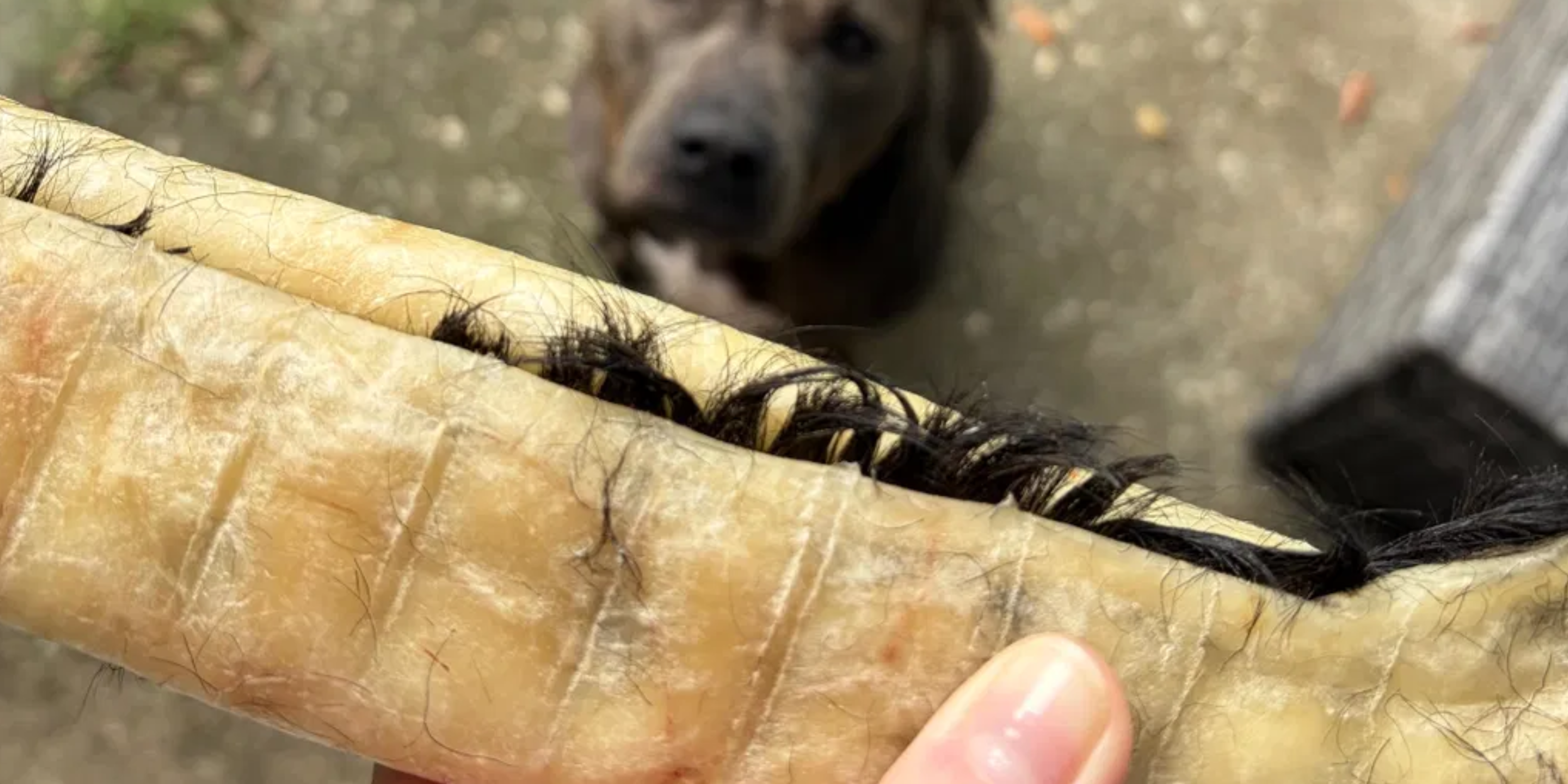
Puppies need proper nutrition, regular meals, and gentle care as they grow. Treats can make training more enjoyable, reward positive behavior, and provide variety between meals. However, young dogs have developing teeth and digestive systems, which means some treats may be too hard, large, rich, or difficult for them to manage.
When adding snacks to a puppy's routine, safe dog treats for puppies should be selected according to age, size, chewing ability, and individual dietary needs. The right treats should be easy to portion, made with suitable ingredients, and offered in moderation. Pet owners should also remember that treats are extras, not replacements for complete and balanced puppy food.
Why Do Puppies Need Special Treats?
Puppies are still developing physically, so their feeding requirements differ from those of adult dogs. Their mouths are smaller, their teeth are changing, and they may not yet know how to chew different textures properly.
A treat that works for an adult dog may not be appropriate for a young puppy. Very hard chews can damage developing teeth, while large or brittle pieces may create choking risks. Some rich foods can also upset a puppy's digestive system, particularly when introduced suddenly.
Always check the product's recommended age range and consult a veterinarian if you are uncertain about a particular treat.
Types of Treats That May Be Suitable for Puppies
The following options can provide occasional rewards when prepared and served appropriately.
1. Soft Puppy Training Treats
Soft training treats are convenient for rewarding puppies during short training sessions. Their texture can make them easier to chew than very hard biscuits or chews.
Look for small treats specifically labeled for puppies. Check the ingredient list and feeding guidance, and break larger pieces into smaller portions when appropriate.
2. Small Pieces of Plain Cooked Chicken
Plain, thoroughly cooked chicken without bones, skin, seasoning, or sauces can be an occasional reward for many puppies.
Remove every bone and cut the meat into small pieces. Avoid fried chicken, heavily seasoned meat, and cooked bones, which can cause injuries or digestive problems.
3. Puppy-Suitable Fruits
Some fruits can be offered in small portions as occasional snacks.
Examples include:
-
Apple pieces without seeds or core
-
Blueberries
-
Small pieces of banana
-
Seedless watermelon without rind
Wash fruit thoroughly and cut it into manageable pieces. Never give grapes or raisins, as they can be toxic to dogs.
4. Plain Vegetables
Certain vegetables can add variety to a puppy's snack routine. Small pieces of plain cooked carrot or green beans may be suitable for some puppies.
Serve them without salt, butter, oil, or seasoning. Make sure the texture and size are appropriate for the puppy's age and chewing ability.
5. Puppy-Specific Commercial Treats
Commercial treats made specifically for puppies can be convenient for daily rewards. Look for clear ingredient information, age recommendations, and portion guidance.
Introduce a new product gradually and monitor your puppy for digestive changes or other unusual reactions.
Are Chews Suitable for Puppies?
Chewing is a natural behavior, but not every chew is appropriate for a young dog. Puppies may be tempted by hard bones, hide rolls, and other durable products, but these can present risks depending on their age and chewing style.
Beefhide and other hide-based chews should not automatically be considered suitable for puppies. Their firmness may be inappropriate for developing teeth, and swallowed pieces can cause choking or digestive obstruction.
Before introducing a chew, check the manufacturer's age guidance and ask your veterinarian if necessary. Always supervise chewing, select an appropriate size, and remove the product when it becomes small or damaged.
Treats to Avoid Giving Puppies
Some foods are toxic to dogs, while others can create choking or digestive risks. Keep these items away from puppies:
-
Chocolate and cocoa products
-
Grapes and raisins
-
Products containing xylitol
-
Onions and garlic
-
Alcohol and caffeinated drinks
-
Macadamia nuts
-
Cooked bones
-
Very hard chews that may damage teeth
-
Foods with excessive salt, sugar, or seasoning
Avoid giving puppies table scraps when the ingredients are unknown. Even a small amount of an unsuitable food can cause problems.
How Many Treats Should a Puppy Have?
Treats should remain a small part of a puppy's daily diet. A commonly used guideline is to keep treats and other extras within 10% of daily calorie intake, with the remaining calories coming from complete and balanced food.
For training, use tiny portions and reward the puppy without overfeeding. Keep track of all treats given throughout the day, including fruit, cooked meat, and commercial snacks.
The appropriate amount depends on age, breed, weight, activity, and health. A veterinarian can help determine suitable portions as the puppy grows.
Tips for Introducing New Treats Safely
A gradual approach can help identify whether a puppy tolerates a new treat.
-
Start with a very small portion.
-
Introduce one new food or treat at a time.
-
Observe for vomiting, diarrhea, itching, or other unusual reactions.
-
Keep treat pieces small and manageable.
-
Stop offering a treat if a concerning reaction occurs.
-
Contact a veterinarian if symptoms persist or appear severe.
Provide fresh drinking water and supervise your puppy whenever it eats or chews.
How Ugly Chews Fits Into a Puppy Treat Routine
Ugly Chews offers natural dog chews and single-ingredient treat options, including freeze-dried beef liver treats made from 100% beef liver. These can be considered as occasional rewards only when the product's age guidance and the puppy's individual dietary needs make them appropriate.
Not every product in the range is intended for young puppies. Beefhide rolls, chips, chunks, and scraps should not be introduced automatically because their firmness and size may not suit developing teeth or inexperienced chewing habits. Consult a veterinarian before offering firm chews to a young puppy.
Final Thoughts
Safe treats for puppies should be age-appropriate, easy to portion, and suitable for their developing teeth and digestive systems. Soft training rewards, selected fruits, plain cooked meat, and puppy-specific commercial treats can provide variety when served carefully.
Avoid toxic foods, unsuitable hard chews, and oversized pieces. Keep treats within a sensible portion of daily calories and supervise your puppy during snack time. Ugly Chews offers simple-ingredient treat options, but checking age recommendations and product suitability is essential before introducing anything new.
Frequently Asked Questions
1. When can puppies start eating treats?
Puppies can generally begin suitable treats after starting solid food. Follow age recommendations and ask a veterinarian about appropriate options.
2. Are soft treats better for puppies?
Soft, small treats can be easier for young puppies to manage, but ingredients, portion size, and age suitability still matter.
3. Can puppies eat freeze-dried beef liver?
Some puppies may tolerate small portions when age-appropriate. Introduce it gradually and serve it in moderation.
4. Can puppies have beefhide chews?
Beefhide chews are not automatically suitable for puppies. Check age guidance and consult a veterinarian before introducing firm hide-based products.

 English
 Arabic
 French
 Spanish
 Deutsch
 Turkish
 Dutch
 Italiano
 Russian
 Romaian
 Portuguese (Brazil)
 Greek
