


Hemoglobin Electrophoresis Test Results Explained: A Complete Guide
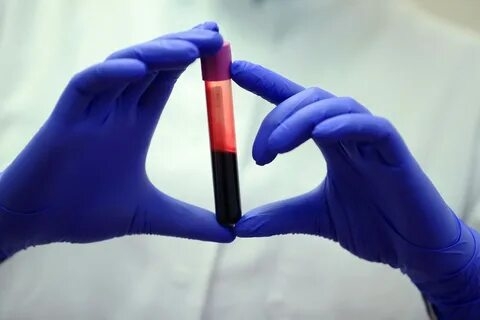
Receiving a hemoglobin electrophoresis report can raise several questions, especially when the results include unfamiliar terms such as HbA, HbA2, HbF, or HbS. You may also notice percentages, reference ranges, or comments suggesting a possible hemoglobin variant. Understanding what these findings mean is an important step toward making informed decisions about your health.
Hemoglobin Electrophoresis Test in Dubai is a laboratory test used to identify and measure different types of hemoglobin in the blood. It helps healthcare professionals investigate inherited blood disorders, including sickle cell disease and thalassemia, as well as identify individuals who carry certain hemoglobin variants.
However, an abnormal result does not always indicate a serious medical condition. Some people have a hemoglobin trait without experiencing symptoms, while others may require further investigations or ongoing medical care.
This complete guide explains how to read hemoglobin electrophoresis test results, what normal and abnormal hemoglobin levels may indicate, and when additional testing is recommended.
Start With the Basics: What Does a Hemoglobin Electrophoresis Report Measure?
Hemoglobin is the oxygen-carrying protein found inside red blood cells. It consists of globin protein chains that combine to form different hemoglobin types.
In most healthy adults, the main hemoglobin fractions are:
-
Hemoglobin A (HbA): The most common adult hemoglobin type.
-
Hemoglobin A2 (HbA2): A minor adult hemoglobin fraction that is useful when evaluating beta thalassemia.
-
Hemoglobin F (HbF): Fetal hemoglobin, which is normally present at higher levels before birth and decreases during infancy.
The test separates these hemoglobin fractions using laboratory techniques such as electrophoresis. Other methods, including high-performance liquid chromatography (HPLC) and capillary electrophoresis, may also be used for hemoglobin analysis.
The report usually shows the percentage or relative amount of each detected hemoglobin type. These values help doctors recognize patterns that may suggest normal hemoglobin production, a carrier state, or an inherited hemoglobin disorder.
Understanding Normal Hemoglobin Electrophoresis Results:
Normal results vary depending on age, laboratory methods, and the reference ranges used by the testing facility. Nevertheless, a typical adult hemoglobin profile often contains the following proportions:
| Hemoglobin type | Typical adult range |
|---|---|
| HbA | Approximately 95–98% |
| HbA2 | Approximately 2–3.5% |
| HbF | Usually below 1–2% |
These figures are general educational ranges, not universal diagnostic cutoffs. Always compare your report with the reference intervals provided by the laboratory.
What Does Normal HbA Mean?
HbA is the predominant hemoglobin in most healthy adults. It consists of two alpha-globin chains and two beta-globin chains.
A normal HbA percentage generally indicates that adult hemoglobin production is occurring as expected. However, HbA levels must be interpreted alongside HbA2, HbF, and any abnormal fractions.
Why Is HbA2 Important?
HbA2 normally represents a small proportion of adult hemoglobin. An increased HbA2 level may be an important clue to beta thalassemia trait.
Doctors often consider HbA2 results together with red blood cell size, hemoglobin concentration, and iron studies to determine whether further evaluation is necessary.
Should Adults Have Any Hemoglobin F?
Small amounts of HbF may remain in adulthood. A higher HbF percentage can occur in certain inherited conditions, including hereditary persistence of fetal hemoglobin and some forms of thalassemia or sickle cell disease.
An elevated HbF level does not establish a diagnosis on its own. Its significance depends on the complete hemoglobin profile and the patient's clinical history.
When Results Are Abnormal: Recognizing Common Hemoglobin Patterns
An abnormal hemoglobin electrophoresis report may identify a variant that changes the structure of hemoglobin or indicates an imbalance in globin chain production.
The following patterns explain some common findings.
Hemoglobin S (HbS): A Possible Sign of Sickle Cell Trait or Disease
Hemoglobin S is an inherited variant associated with sickle cell conditions.
If a report shows both HbA and HbS, the pattern may indicate sickle cell trait. People with this trait generally do not have sickle cell disease and usually remain healthy.
If HbS is the predominant fraction and HbA is absent, the result may suggest sickle cell disease, such as HbSS. However, other conditions, including sickle beta-zero thalassemia, can produce similar patterns.
The presence of HbS must therefore be evaluated with other hemoglobin fractions, clinical findings, and sometimes genetic testing.
Hemoglobin C (HbC): Understanding the Result
Hemoglobin C is another inherited structural variant.
A report showing HbA and HbC may indicate hemoglobin C trait. People with this carrier state are generally asymptomatic.
If HbC is the predominant or only major hemoglobin type, hemoglobin C disease may be considered. Additional findings and clinical evaluation help determine the diagnosis.
Hemoglobin E (HbE): A Variant That May Require Further Assessment
Hemoglobin E is an inherited hemoglobin variant that can also affect beta-globin production.
A person with HbE trait is usually healthy. However, when HbE is inherited together with beta thalassemia, the resulting condition can range from relatively mild to clinically significant.
The complete hemoglobin profile helps doctors determine whether HbE occurs alone or alongside another hemoglobin abnormality.
Increased HbA2: A Finding Associated With Beta Thalassemia Trait
One of the most useful findings in hemoglobin analysis is an increased HbA2 percentage.
Beta thalassemia trait commonly causes elevated HbA2 because the body produces reduced amounts of beta-globin chains and the balance of hemoglobin production changes.
However, iron deficiency may lower HbA2 in some individuals and complicate interpretation. Doctors may therefore recommend ferritin and other iron studies when evaluating possible thalassemia.
Increased HbF: What Does It Suggest?
Elevated fetal hemoglobin in adults may occur in several conditions, including:
-
Beta thalassemia.
-
Hereditary persistence of fetal hemoglobin.
-
Sickle cell disease.
-
Certain other inherited or acquired blood conditions.
The degree of elevation and the presence of other hemoglobin fractions help guide further investigation.
A Practical Guide to Common Hemoglobin Electrophoresis Results:
The table below summarizes some frequently encountered patterns and their possible interpretations.
| Report finding | Possible meaning |
|---|---|
| Predominantly HbA with normal HbA2 and low HbF | Typical adult hemoglobin pattern |
| HbA with increased HbA2 | May suggest beta thalassemia trait |
| HbA and HbS | May indicate sickle cell trait |
| Predominantly HbS without HbA | May suggest HbSS or another sickling disorder |
| HbA and HbC | May indicate hemoglobin C trait |
| HbE detected | May indicate hemoglobin E trait or a combined hemoglobin condition |
| Increased HbF | May occur in thalassemia or other conditions |
These patterns are not definitive diagnoses. Different conditions can produce overlapping findings, and some laboratory methods may not distinguish certain variants without additional testing.
Five Factors That Can Change the Meaning of Your Results:
A hemoglobin electrophoresis report should never be interpreted without considering the patient's age, health history, and other laboratory findings.
Several factors can affect the result.
1. Age: Newborns naturally have high HbF levels. Their hemoglobin profile differs significantly from that of older children and adults. Age-specific reference ranges are essential.
2. Recent blood transfusion: Donor red blood cells contain hemoglobin that may appear in the patient's sample. A recent transfusion can therefore change the measured proportions and make interpretation more difficult.
3. Iron deficiency: Iron deficiency can affect red blood cell indices and may influence HbA2 levels, potentially complicating the assessment of beta thalassemia trait.
4. Co-inherited hemoglobin conditions: A person may inherit more than one hemoglobin variant. For example, HbS may occur alongside beta thalassemia, producing a different pattern from sickle cell trait.
5. Testing method: Hemoglobin electrophoresis, HPLC, and capillary electrophoresis use different separation principles. Some variants may require more than one method for accurate identification.
Sharing relevant medical information with your healthcare provider helps prevent misinterpretation.
What Happens When the Result Is Unclear?
Sometimes, a hemoglobin electrophoresis report does not provide enough information for a definite diagnosis.
For example, certain variants have similar migration patterns during electrophoresis. Additional laboratory methods may be needed to distinguish them.
A doctor may recommend:
-
Complete blood count (CBC): Evaluates hemoglobin concentration, red blood cell count, MCV, and MCH.
-
Iron studies: Help identify iron deficiency that may affect result interpretation.
-
Peripheral blood smear: Examines red blood cell size, shape, and appearance.
-
HPLC or capillary electrophoresis: Provides additional information about hemoglobin fractions.
-
Molecular genetic testing: Helps identify specific inherited changes in globin genes.
Alpha thalassemia is an important example of a condition that may not be detected through routine adult hemoglobin electrophoresis. Genetic testing may be necessary when symptoms, family history, or blood count findings suggest alpha-globin abnormalities.
Why Your Hemoglobin Electrophoresis Results Matter Beyond Diagnosis?
The test provides information that can influence several aspects of healthcare.
Early identification of inherited disorders: Recognizing abnormal hemoglobin patterns can support timely referral and appropriate medical management.
Carrier screening: Identifying sickle cell or thalassemia carrier status helps individuals understand their genetic information.
Family planning: When both reproductive partners carry clinically relevant hemoglobin variants, genetic counseling can explain the possible inheritance patterns and reproductive options.
Newborn screening follow-up: Abnormal screening findings can be investigated through confirmatory testing and specialist evaluation.
Anemia investigation: Hemoglobin analysis may help explain anemia or unusual red blood cell indices when a hereditary blood disorder is suspected.
The test does not prevent inherited conditions, but its findings can support informed healthcare and reproductive decisions.
Frequently Asked Questions About Hemoglobin Electrophoresis Results:
What does an abnormal hemoglobin electrophoresis result mean?
It means that the hemoglobin fractions differ from the expected pattern. This may indicate a carrier state, an inherited hemoglobin disorder, or another condition requiring further evaluation.
Can normal results rule out every type of thalassemia?
No. Alpha thalassemia trait may produce normal adult hemoglobin electrophoresis findings. Additional investigations, including genetic testing, may be required.
Does a positive HbS result mean I have sickle cell disease?
Not necessarily. HbS can indicate sickle cell trait or a form of sickle cell disease. The proportions of HbA, HbS, HbF, and other fractions help distinguish possible patterns.
Can a blood transfusion affect hemoglobin electrophoresis results?
Yes. Transfused red blood cells can introduce donor hemoglobin into the sample and change the measured fractions. Always inform your doctor about recent transfusions.
Is hemoglobin electrophoresis enough to confirm a diagnosis?
Sometimes it provides a highly informative pattern, but additional tests may be needed to confirm the exact condition. Clinical history, CBC findings, specialized hemoglobin analysis, and genetic testing may all contribute.
Conclusion:
Hemoglobin electrophoresis Lab tests results provide valuable information about the types and proportions of hemoglobin present in the blood. By identifying patterns involving HbA, HbA2, HbF, HbS, HbC, and HbE, healthcare professionals can investigate inherited hemoglobin variants and disorders such as sickle cell disease and thalassemia.
Understanding the report requires more than checking whether a percentage falls inside or outside a reference range. Age, iron status, recent transfusions, co-inherited variants, and the laboratory method can all influence the findings.
If your report shows an unusual hemoglobin fraction, discuss it with a qualified healthcare professional. They can explain its significance and recommend additional testing when necessary.

 English
 Arabic
 French
 Spanish
 Portuguese
 Deutsch
 Turkish
 Dutch
 Italiano
 Romaian
 Portuguese (Brazil)
 Greek
