


Blood Sugar Test After Eating: What Are Normal Levels?
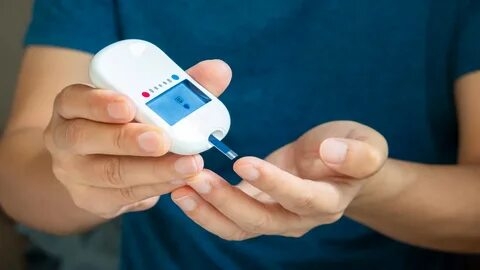
Have you ever wondered why your blood sugar levels change after eating or what glucose reading is considered normal after a meal? A blood sugar test after eating, also known as a postprandial blood glucose test, measures how much glucose is present in your bloodstream after consuming food. It helps healthcare professionals understand how effectively your body processes carbohydrates and regulates blood sugar.
After eating, your digestive system breaks down carbohydrates into glucose, which enters the bloodstream. In response, the pancreas releases insulin to help transport glucose into body cells for energy. In healthy individuals, blood sugar levels gradually return toward their usual range as the body processes the meal.
However, people with diabetes, prediabetes, or insulin resistance may experience higher or prolonged post-meal glucose levels.
Understanding normal Blood Sugar Test Dubai levels after eating can help you recognize potential warning signs, monitor diabetes, and make informed decisions about nutrition and lifestyle. This guide explains recommended post-meal blood sugar ranges, testing methods, factors affecting results, and ways to maintain healthy glucose levels.
What Is a Blood Sugar Test After Eating?
A blood sugar test after eating measures the concentration of glucose in your blood following a meal. Healthcare professionals commonly refer to this measurement as postprandial blood glucose.
The word postprandial simply means after a meal.
Unlike fasting blood glucose testing, which measures sugar levels after a period without food, post-meal glucose testing evaluates how your body responds to carbohydrates and other nutrients.
This test is particularly useful for:
-
Monitoring blood sugar levels in people with diabetes.
-
Identifying elevated glucose after meals.
-
Evaluating the effectiveness of diabetes medication.
-
Understanding how different foods affect blood sugar.
-
Assessing glucose regulation in people with metabolic risk factors.
A post-meal glucose test is generally performed one or two hours after the beginning of a meal, depending on the healthcare provider's instructions.
Normal Blood Sugar Levels After Eating: Understanding the Numbers
Blood glucose levels naturally increase after eating. However, the amount of increase and the time required to return toward baseline can vary between individuals.
The following table provides general reference points for nonpregnant adults.
Normal Post-Meal Blood Sugar Levels
| Time After Eating | General Blood Sugar Level |
|---|---|
| Before meals | 70–99 mg/dL is typical for healthy adults |
| 1 hour after eating | Often below 140–180 mg/dL |
| 2 hours after eating | Below 140 mg/dL is generally expected in people without diabetes |
| 3 hours after eating | Often approaching the pre-meal level |
These values are general reference points rather than universal diagnostic thresholds. Individual results depend on meal composition, health status, and glucose metabolism.
What Is a Normal Blood Sugar Level 1 Hour After Eating?
Blood sugar levels usually rise during the first hour after a meal because carbohydrates are being digested and absorbed.
In many healthy individuals, glucose rises but remains below approximately 140–180 mg/dL, although the exact peak varies.
A single reading above this range does not automatically indicate diabetes. The type of meal, portion size, physical activity, and testing method can influence the result.
What Is a Normal Blood Sugar Level 2 Hours After Eating?
Two hours after eating, blood glucose generally begins moving closer to its pre-meal level.
For people without diabetes, a two-hour glucose level below 140 mg/dL is generally considered normal.
For many nonpregnant adults with diabetes, the American Diabetes Association recommends a post-meal blood glucose target below 180 mg/dL, measured one to two hours after the beginning of a meal.
These are different standards: one describes a general healthy reference level, while the other is a commonly recommended treatment target for many adults with diabetes.
How Does Blood Sugar Change After Eating?
The body follows a natural process to maintain glucose balance after meals.
Understanding this process helps explain why blood sugar readings differ throughout the day.
Stage 1: Food Digestion
After eating, carbohydrates from foods such as rice, bread, potatoes, fruits, and cereals are broken down into glucose.
Stage 2: Glucose Enters the Bloodstream
The absorbed glucose enters the bloodstream, causing blood sugar levels to increase.
Stage 3: Insulin Release
The pancreas releases insulin, which helps body cells absorb glucose and use it for energy or store it for later use.
Stage 4: Blood Sugar Regulation
As glucose moves into cells and the liver adjusts glucose production, blood sugar levels gradually decline toward their usual range.
In people with insulin resistance or diabetes, this process may not work efficiently. As a result, blood sugar can remain elevated for longer after meals.
Postprandial Blood Glucose Test vs. Fasting Blood Sugar Test:
Both tests measure blood glucose, but they provide different information about metabolic health.
| Feature | Fasting Blood Sugar Test | Post-Meal Blood Sugar Test |
|---|---|---|
| Testing time | After at least 8 hours of fasting | Usually 1–2 hours after a meal |
| Main purpose | Measures baseline glucose | Evaluates response to food |
| Preparation | Requires fasting | Requires a timed meal |
| Common use | Diabetes and prediabetes screening | Diabetes monitoring |
| Influencing factors | Fasting duration and illness | Meal composition and timing |
A fasting plasma glucose test is commonly used to diagnose diabetes and prediabetes. A post-meal reading can help identify glucose fluctuations that may not be obvious from fasting measurements alone.
However, an ordinary home post-meal reading should not be used independently to diagnose diabetes.
What Causes High Blood Sugar After Eating?
Several factors can contribute to elevated post-meal glucose levels. Some are related to food choices, while others involve hormones, physical activity, and underlying medical conditions.
High-Carbohydrate Meals
Foods containing large amounts of refined carbohydrates can cause significant post-meal glucose increases.
Examples include:
-
White rice.
-
White bread.
-
Sugary breakfast cereals.
-
Cakes and pastries.
-
Sweetened beverages.
-
Candy and desserts.
Portion size is also important. Even nutritious carbohydrate-containing foods can raise blood glucose when consumed in large quantities.
Insulin Resistance
Insulin resistance occurs when body cells respond less effectively to insulin.
The pancreas may initially produce additional insulin to compensate, but glucose regulation can become less effective over time.
Insulin resistance is closely associated with prediabetes and type 2 diabetes.
Physical Inactivity
Muscles use glucose for energy. When physical activity is limited, the body may become less efficient at using glucose, potentially contributing to elevated blood sugar.
Stress and Poor Sleep
Stress hormones such as cortisol can increase glucose production. Similarly, insufficient sleep may reduce insulin sensitivity and interfere with blood sugar regulation.
Diabetes and Medication Factors
People with diabetes may experience high post-meal glucose because of insufficient insulin production, insulin resistance, medication timing, or inadequate treatment adjustments.
How to Perform a Blood Sugar Test After Eating Correctly?
Accurate testing requires proper timing and technique.
You can measure post-meal blood glucose using a home glucose meter or through laboratory testing.
Using a Home Glucose Meter
Follow these steps:
-
Wash your hands with soap and water and dry them completely.
-
Insert a compatible glucose test strip into your meter.
-
Use a sterile lancet to prick the side of your fingertip.
-
Apply the blood drop to the test strip.
-
Wait for the glucose reading.
-
Record the result along with the time and meal details.
When Should You Test After Eating?
For standard post-meal monitoring, many healthcare professionals recommend checking blood glucose one to two hours after the beginning of a meal.
For example, if you begin eating at 1:00 PM and your target testing time is two hours after the meal starts, check your blood glucose at 3:00 PM.
Consistency is important because testing at different intervals makes results more difficult to compare.
Which Foods Help Maintain Healthy Blood Sugar After Meals?
Food choices can influence how quickly carbohydrates are digested and how much glucose enters the bloodstream.
A balanced diet can help reduce excessive post-meal glucose fluctuations.
Consider incorporating these foods into your meals:
Non-Starchy Vegetables: Spinach, broccoli, cucumber, cauliflower, and leafy greens provide fiber and important nutrients.
Whole Grains: Oats, barley, and whole-grain bread generally contain more fiber than refined alternatives.
Protein Sources: Eggs, fish, chicken, tofu, and legumes can make meals more balanced.
Healthy Fats: Nuts, seeds, olive oil, and avocados provide healthy fats that support overall nutrition.
Fiber-Rich Fruits: Apples, pears, berries, and oranges provide fiber and natural carbohydrates.
For better blood sugar management, consider combining carbohydrates with protein, fiber, and healthy fats rather than consuming large portions of refined carbohydrates alone.
Practical Ways to Reduce High Blood Sugar After Eating:
Healthy lifestyle habits can improve glucose regulation and support long-term metabolic health.
Here are several strategies worth incorporating into your daily routine.
Take a Short Walk After Meals
A gentle walk after eating encourages muscles to use circulating glucose.
Even a short walk may help reduce post-meal glucose increases in some individuals.
Control Carbohydrate Portions
Pay attention to the amount of rice, bread, potatoes, pasta, and other carbohydrate-rich foods on your plate.
Choosing appropriate portions can help prevent excessive glucose increases.
Eat More Dietary Fiber
Fiber slows digestion and can help moderate the absorption of glucose.
Include vegetables, beans, lentils, nuts, seeds, and whole grains in your daily diet.
Maintain a Healthy Weight
For individuals with excess body weight, gradual weight reduction can improve insulin sensitivity and support better glucose control.
Stay Hydrated
Drink sufficient water throughout the day. Avoid relying on sugary drinks, packaged juices, and sweetened beverages for hydration.
Follow Your Treatment Plan
If you have diabetes, take prescribed medication according to your healthcare professional's instructions. Do not independently change medication doses based on individual post-meal readings.
When Should You Be Concerned About Post-Meal Blood Sugar?
An occasional elevated reading does not necessarily indicate a serious health problem. However, consistently high blood glucose levels deserve medical attention.
Consider speaking with a healthcare professional if:
-
Your two-hour post-meal readings are repeatedly above your recommended target.
-
You frequently experience excessive thirst.
-
You urinate more often than usual.
-
You experience unexplained weight loss.
-
You have persistent fatigue or blurred vision.
-
Your home glucose readings frequently exceed 200 mg/dL.
A random plasma glucose level of 200 mg/dL or higher, together with classic symptoms of hyperglycemia or a hyperglycemic crisis, can meet diagnostic criteria for diabetes.
Severe symptoms such as vomiting, abdominal pain, difficulty breathing, confusion, or significant dehydration require urgent medical assessment.
Frequently Asked Questions About Blood Sugar Tests After Eating:
1. What is a normal blood sugar level 2 hours after eating?
For individuals without diabetes, a two-hour post-meal glucose level below 140 mg/dL is generally considered normal. Many adults with diabetes have an individualized target below 180 mg/dL.
2. Is 160 mg/dL blood sugar normal after eating?
A reading of 160 mg/dL may occur after a meal, depending on the timing and food consumed. It is above the general two-hour reference for people without diabetes but may fall within the recommended post-meal target for many adults with diabetes.
3. Can blood sugar reach 200 mg/dL after eating?
Yes, glucose can reach this level after a meal, particularly in people with diabetes or impaired glucose regulation. Repeated elevated readings should be discussed with a healthcare professional.
4. How long does blood sugar stay elevated after eating?
Blood glucose commonly rises during the first one to two hours after eating and gradually declines afterward. The exact duration depends on meal composition, insulin sensitivity, physical activity, and individual metabolism.
5. Should I test my blood sugar immediately after eating?
Usually, no. Testing immediately after a meal does not provide a standardized post-meal measurement. Follow the recommended one-hour or two-hour testing schedule provided by your healthcare professional.
6. Does walking after eating lower blood sugar?
Yes. Light physical activity after meals can help muscles use glucose and may reduce post-meal blood sugar increases.
Conclusion: Understanding Your Post-Meal Blood Sugar Results
A blood sugar Lab tests after eating provides useful information about how your body processes glucose and responds to different meals. Although blood glucose naturally increases after food consumption, it should generally move toward its usual range as insulin helps regulate glucose.
For people without diabetes, a two-hour post-meal reading below 140 mg/dL is generally expected. For many nonpregnant adults with diabetes, the recommended post-meal target is below 180 mg/dL, although individual treatment goals may differ.
Maintaining balanced meals, controlling carbohydrate portions, exercising regularly, getting adequate sleep, and following medical recommendations can support healthier blood glucose levels.
Most importantly, do not interpret a single post-meal reading as a diabetes diagnosis. Laboratory testing, including fasting plasma glucose and HbA1c, provides a more appropriate foundation for diagnosis and clinical evaluation.

 Arabic
 French
 Spanish
 Portuguese
 Deutsch
 Turkish
 Dutch
 Italiano
 Russian
 Romaian
 Portuguese (Brazil)
 Greek
