


How Does Gangnam Trash Bin Mould Shape Modern Waste Solutions
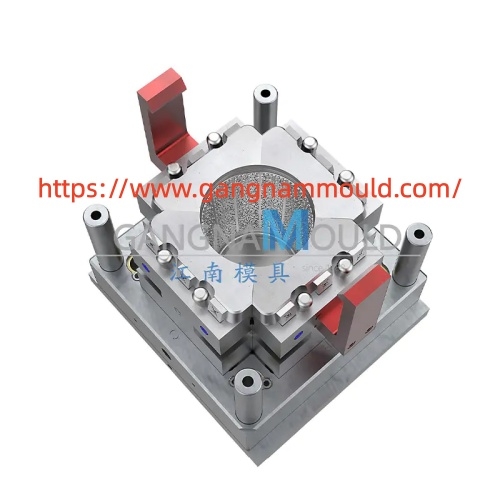
Trash Bin Mould development involves much more than creating a container for everyday waste. Modern waste collection products are used in homes, offices, shopping centers, hotels, hospitals, schools, and public spaces. Each environment has different expectations regarding appearance, convenience, cleaning, and handling. For manufacturers, understanding these differences is an important part of developing products that fit actual user requirements.
One interesting aspect of waste container design is how much the surrounding environment influences product selection. A household kitchen may need a compact container that fits beneath a countertop or beside a cabinet. An office may require a simple design that blends into a professional interior. Public areas often call for products that are easy to recognize and convenient for regular waste collection. These different applications create opportunities for manufacturers to develop varied shapes, structures, and functional features.
Material selection is an essential starting point. Plastic materials are widely used in this product category because they can be processed into different shapes and surface finishes. Depending on the intended application, manufacturers may evaluate rigidity, impact behavior, flexibility, cleaning requirements, and resistance to common environmental conditions. The selected material should match the expected working environment rather than simply follow a visual preference.
Recycled plastic is another consideration for companies interested in resource efficiency. Its suitability depends on the intended application, material consistency, processing conditions, and relevant product requirements. Manufacturers should evaluate these factors before deciding whether recycled content is appropriate. For products intended for specific environments, applicable safety and regulatory requirements should also be considered during material planning.
The opening mechanism is one of the features that directly affects everyday convenience. Some users prefer a swing lid, while others may choose a hinged cover or a pedal-operated design. Open-top structures can also be suitable for particular commercial settings. Each arrangement involves different structural considerations, including connection points, moving sections, opening clearance, and ease of cleaning.
Lid design deserves careful attention because it influences both appearance and practical use. A well-coordinated cover should fit the body naturally and allow convenient access. The connection between the cover and the main container needs to be considered during engineering development. If the design includes removable components, their assembly and maintenance requirements should also be reviewed.
Another important subject is odor management. Although the container itself does not determine every aspect of odor control, its structure can influence how easily it closes and how users manage waste. Lid coverage, opening design, removable inner containers, and cleaning access can all contribute to the overall experience. Manufacturers should consider these features according to the product application rather than adding functions without a clear purpose.
Ergonomics also plays a role in product development. A container may need to be moved frequently, emptied by cleaning personnel, or handled by different users. Integrated handles, suitable gripping areas, stable bases, and practical proportions can make these activities more convenient. Wheel arrangements may also be considered for products designed for larger spaces or more frequent movement.
The visual side of product development is equally interesting. Waste collection products are no longer limited to basic functional shapes. Different colors, curved surfaces, textured finishes, and simple decorative details can help them fit into different interior environments. Neutral colors may suit offices and commercial buildings, while brighter colors can help distinguish waste categories in sorting areas. A coordinated appearance can also support the visual identity of a business or public facility.
Manufacturing technology connects these design features with production requirements. During tooling development, engineers need to review wall distribution, material flow, cooling arrangements, parting lines, and release structures. Complex shapes or integrated features may require additional attention to ensure that the design is suitable for the intended manufacturing process. Computer-aided design and mold flow analysis can help evaluate potential issues before production begins.
For companies purchasing customized tooling, communication with the manufacturer is particularly important. Buyers should prepare product drawings, reference images, application details, material preferences, and information about expected usage conditions. It is also useful to explain whether the product requires a removable liner, a particular lid arrangement, integrated handles, or special surface details. These details give engineers a clearer understanding of the project and help them assess possible design solutions.
Quality inspection should be discussed before production as well. Buyers may want to establish inspection requirements covering surface appearance, assembly compatibility, dimensional consistency, and the operation of moving components. A clear inspection plan helps both parties understand the expected product condition and provides a reference for manufacturing coordination.
Customization can also help brands respond to different market preferences. A company serving residential customers may focus on appearance and convenient cleaning, while a supplier for commercial facilities may prioritize handling and maintenance. Manufacturers can adjust structural features, surface treatments, and overall styling to suit different customer groups.
Gangnam provides customized tooling development services for businesses planning different household and commercial products. By connecting product concepts with structural engineering, material considerations, and manufacturing requirements, the company supports customers throughout the development process. Attention to project details helps create a practical direction for each individual design.
As waste sorting, interior organization, and public facility management continue to influence purchasing decisions, manufacturers have more reasons to consider how product design affects everyday routines. Material suitability, opening mechanisms, cleaning convenience, and visual coordination can all contribute to a thoughtful development plan. Businesses interested in customized manufacturing cooperation and product development can visit Gangnam at https://www.gangnammould.com/ to review its services and discuss potential projects.

 Arabic
 French
 Spanish
 Portuguese
 Deutsch
 Turkish
 Dutch
 Italiano
 Russian
 Romaian
 Portuguese (Brazil)
 Greek
