


Visa Blood Test for Work Permits: Important Medical Requirements
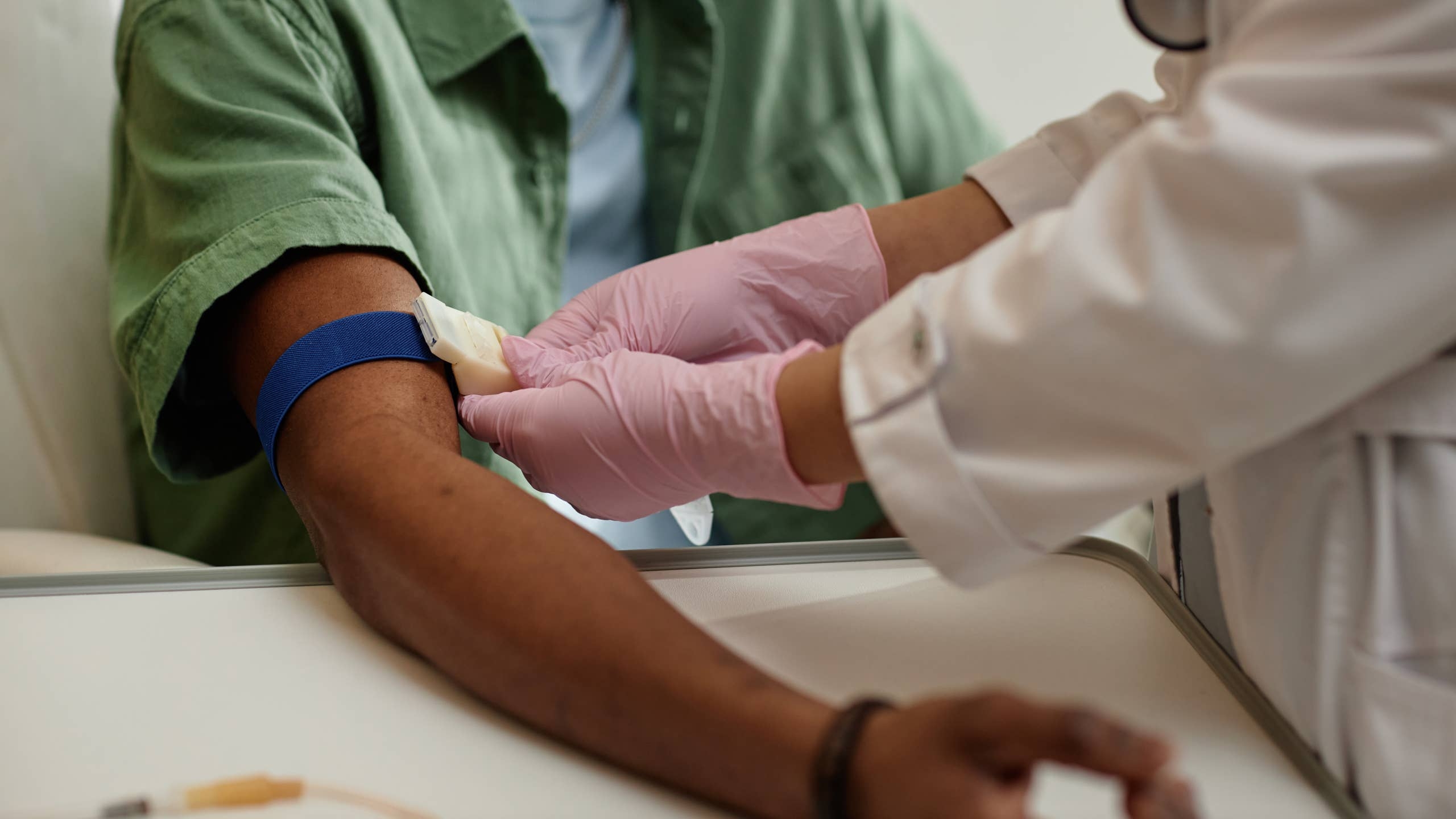
Getting a work permit in another country can open the door to new career opportunities, professional growth, and a better future. However, before starting employment abroad, many applicants must complete immigration procedures that may include a medical examination. Depending on the destination country and employment category, this examination may involve Visa Blood Test Dubai, a physical assessment, a chest X-ray, or other health investigations.
For many workers, one important question is: Is a blood test required for a work permit, and what medical requirements should applicants expect?
The answer depends on the country's immigration policies, the type of employment, the applicant's age, and individual medical circumstances. Some work visa programs require specific laboratory screening, while others have different or more limited medical requirements.
This guide explains how visa blood tests fit into work permit applications, which investigations may be requested, how to prepare, and what happens if a result requires further medical assessment.
Why Medical Screening Is Part of Some Work Permit Applications?
Countries establish immigration health requirements for different reasons. These may include public health considerations, occupational health standards, and the medical assessment rules attached to a particular visa category.
A work permit medical examination may help immigration authorities assess whether an applicant meets the health requirements of the relevant program.
Depending on the destination, the examination may include:
-
A review of medical history
-
A physical examination by an authorized physician
-
Selected blood tests
-
Tuberculosis screening
-
Chest X-ray
-
Urine testing or additional investigations when required
Not every work permit applicant needs all these tests. Some countries require medical screening only for particular occupations, visa categories, or lengths of stay.
It is therefore important to distinguish between a general employment medical examination and an official immigration medical examination. An employer's health check may not replace the medical assessment required by immigration authorities.
Which Blood Tests May Be Required for a Work Permit?
There is no single international blood test panel for work permits. The exact investigations depend on the immigration program and the applicant's circumstances.
The following tests are examples of screening that may be included in certain work visa medical examinations.
HIV Screening
Some immigration programs include HIV screening as part of their medical assessment.
The test looks for HIV-related markers, depending on the laboratory method used. A reactive screening result may require supplemental or confirmatory testing before a diagnosis can be established.
HIV-related immigration policies differ between countries. Applicants should consult the official rules for their destination rather than assuming that the same requirements apply worldwide.
Hepatitis B Testing
Hepatitis B screening may be requested under certain work permit medical programs.
Laboratories may assess markers such as hepatitis B surface antigen (HBsAg), while other markers, including anti-HBs and anti-HBc, may help explain previous exposure or immunity.
The physician interprets these markers together rather than relying on a single result in isolation.
Hepatitis C Screening
Some medical programs may include hepatitis C screening.
An antibody test can identify evidence of previous exposure, but a positive antibody result does not necessarily indicate an active infection. An HCV RNA test may be used to determine whether the virus is currently present.
This distinction is important when reviewing an abnormal immigration blood test report.
Syphilis Screening
Certain work visa medical examinations may include syphilis screening.
If an initial test is reactive, additional investigations may be needed to clarify the result. The physician may also review previous treatment and relevant medical history.
A screening result alone does not necessarily establish an active infection.
Other Blood Investigations
Additional tests may be requested according to the applicant's medical history or the requirements of the specific program.
For example, a physician may request blood glucose, liver function, kidney function, or a complete blood count when clinically indicated. These are not automatically required for every work permit.
Does Your Occupation Affect Work Permit Medical Requirements?
The type of employment can influence medical screening in some countries, although the effect varies considerably.
Some occupations involve specific health or fitness requirements because of the responsibilities associated with the job. Others may be covered by separate employer or workplace health procedures.
Consider the following examples:
| Employment category | Possible medical considerations |
|---|---|
| Healthcare workers | May face occupation-specific health and infection-control requirements |
| Food-handling workers | May be subject to local food safety and occupational health rules |
| Construction workers | May require an occupational fitness assessment in addition to immigration screening |
| Domestic workers | Requirements depend on the destination country's employment and immigration policies |
| Office professionals | May have standard visa medical requirements or limited screening |
| Industrial workers | Job-specific fitness assessments may apply depending on workplace risks |
These examples are general. They do not establish that a particular blood test is mandatory for every person in that occupation.
An employer's request for a medical check should also be distinguished from an immigration authority's formal medical requirements.
Work Permit Medical Examination: What Happens Beyond Blood Testing?
A visa blood test is only one possible component of a wider medical assessment.
Depending on the destination country, an authorized medical provider may perform several examinations.
Medical history review: The physician may ask about previous illnesses, surgery, current treatment, allergies, and ongoing medical conditions.
Physical examination: This may involve checking general health indicators and conducting a clinical assessment.
Tuberculosis screening: Some immigration programs require a chest X-ray or another approved tuberculosis assessment. Certain programs may use an IGRA blood test or a skin test. A standard infectious disease blood panel does not automatically include TB testing.
Laboratory testing: Blood or urine samples may be collected for the investigations specified by the program.
Additional assessment: If a finding needs clarification, the physician may request further tests or specialist advice.
The medical center then completes the required documentation according to the immigration system's procedures.
How to Prepare for a Work Permit Blood Test
Preparing properly can make your medical appointment easier and reduce avoidable delays.
Rather than relying on general advice, follow the instructions issued by the authorized medical provider.
Documents to Bring
Before leaving for your appointment, organize:
-
Your valid passport or accepted identification
-
Work permit or visa application reference
-
Official medical examination instructions
-
Appointment confirmation
-
Previous medical reports, if requested
-
Current medication list
-
Vaccination records, if required
-
Relevant specialist or hospital documents
Some medical centers may request additional photographs or forms. Check your appointment letter carefully.
Food, Water, and Fasting
Applicants often assume that every work permit blood test requires fasting. This is not correct.
Many infectious disease screening tests, including commonly used HIV and hepatitis tests, generally do not require fasting. However, certain additional investigations, such as fasting blood glucose, may require a specified period without food.
Follow the instructions from your medical center. Ask whether plain water is permitted and whether your usual medication should be taken as normal.
Never stop prescribed medicine or change a dose simply to influence a laboratory result.
Medical History and Medication
Be prepared to explain any relevant health conditions and treatments.
Tell the physician about:
-
Existing medical diagnoses
-
Previous infectious diseases
-
Recent or ongoing treatment
-
Prescription medication
-
Previous abnormal laboratory findings
-
Relevant surgery or hospitalization
Honest disclosure helps the physician interpret the medical findings appropriately. It is better to provide accurate information than to leave out a condition because you are worried about your work permit.
What If Your Work Permit Blood Test Is Abnormal?
An abnormal or reactive result can be concerning, particularly when employment and travel plans depend on the application. However, it does not automatically mean that your work permit will be refused.
The next step depends on the specific finding and the applicable immigration rules.
For example, an initial screening result may require confirmatory testing. A physician may request another sample, additional laboratory markers, a specialist consultation, or previous medical records.
The process generally involves three separate stages:
-
Laboratory reporting: The laboratory analyzes the sample and reports the findings.
-
Medical assessment: The authorized physician interprets the results and decides whether further investigation is needed.
-
Immigration decision: The relevant authority considers the completed medical assessment under its current work permit requirements.
These stages should not be confused. A laboratory result is not the same as a final immigration decision.
Medical admissibility rules differ between countries. Some programs may require further assessment or documentation for particular conditions, while others apply different criteria.
If you receive an unexpected result, ask the medical provider to explain it and follow the recommended next steps.
How Long Does Work Permit Medical Screening Take?
The time required depends on the number of investigations, laboratory arrangements, and the immigration reporting process.
Blood collection itself is usually brief. Routine laboratory results may be available within a few working days, but this is an estimate rather than a guarantee.
Additional testing, repeat samples, or specialist appointments can extend the process.
To avoid unnecessary delays:
-
Book your medical examination as soon as your immigration instructions allow.
-
Confirm that you are attending an approved medical facility.
-
Bring all required documents.
-
Attend additional appointments promptly.
-
Respond to requests for medical information.
-
Keep your application and appointment references available.
Remember that receiving laboratory results does not necessarily mean the immigration medical assessment or work permit decision has been completed.
Common Mistakes Work Permit Applicants Should Avoid:
A few simple mistakes can make the medical process more complicated than necessary.
Using an unapproved laboratory: Some immigration programs accept results only from designated medical providers.
Assuming every worker needs the same tests: Requirements can vary by occupation, country, and visa category.
Ignoring appointment instructions: Fasting, documentation, and identification requirements should be confirmed before the visit.
Hiding a medical condition: Inaccurate information can complicate medical assessment and follow-up.
Stopping prescribed medication: Never change treatment without advice from a qualified healthcare professional.
Assuming an abnormal result means automatic rejection: Some findings require confirmation or further interpretation before any immigration decision is made.
Frequently Asked Questions:
Is a blood test compulsory for every work permit?
No. Some work permit programs require blood testing, while others do not. Requirements depend on the destination country, employment category, and immigration rules.
Do all work visa applicants need HIV testing?
No universal requirement applies. HIV screening rules differ between countries and specific work visa programs.
Can I get a work permit if I have a medical condition?
Possibly. Having a medical condition does not automatically result in visa refusal. The immigration authority applies the health requirements relevant to the particular program.
Can I use previous blood test reports?
Not always. Some immigration programs require new tests through an approved medical center. Ask the authorized provider whether previous results are acceptable.
Should I fast before a work permit blood test?
Only if your specific tests or medical provider require it. Many infectious disease screening tests do not require fasting.
Who receives my work permit medical results?
This depends on the immigration system. Some authorized medical centers submit reports directly to immigration authorities, while other programs have different reporting procedures.
Conclusion: Complete Your Work Permit Medical Requirements With Confidence
A visa blood Lab tests can be an important part of a work permit medical examination, but it is not a universal requirement for every international worker.
The destination country, visa category, occupation, age, and individual medical circumstances determine which investigations may be necessary. Some applicants may need specific infectious disease screening, while others may complete a different medical assessment.
The best approach is to check official immigration instructions, attend the designated medical provider, prepare your documents, and disclose relevant health information accurately.
If a blood test result requires further investigation, remember that an abnormal screening result does not automatically mean a work permit refusal. Follow medical advice and confirm the applicable immigration rules before making assumptions.
With proper preparation and reliable information, you can approach your work permit medical examination more confidently and avoid preventable delays in your application.

 English
 Arabic
 French
 Spanish
 Portuguese
 Deutsch
 Turkish
 Dutch
 Italiano
 Romaian
 Portuguese (Brazil)
 Greek
