


Who Is a Suitable Candidate for Earlobe Correction?
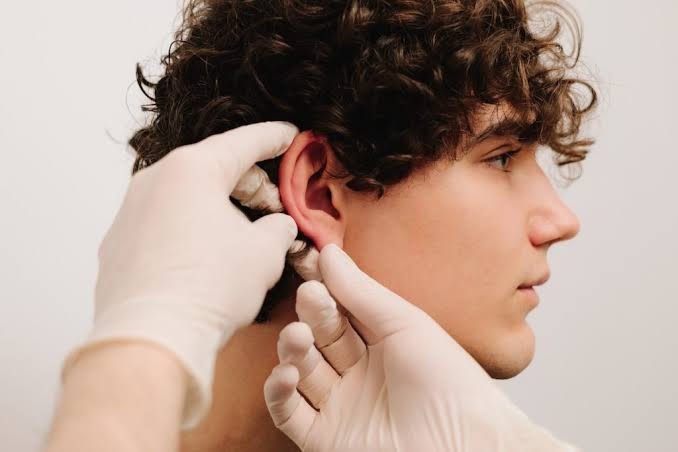
Earlobes may seem like a small part of the ears, but their shape, size, and symmetry can influence overall facial appearance. Over time, stretched piercings, accidental injuries, ageing, or naturally uneven earlobes can change their appearance. These concerns may lead individuals to consider corrective procedures to restore a more balanced and natural-looking ear shape. Understanding who may benefit from Earlobe correction in Dubai can help individuals determine whether a suitable treatment aligns with their aesthetic goals.
What Is Earlobe Correction?
Earlobe correction is a cosmetic procedure designed to improve the shape, size, structure, or symmetry of the earlobes. It addresses concerns such as elongated piercing holes, split earlobes, stretched tissue, and irregular contours.
The procedure generally involves reshaping or repairing the affected tissue to create a more proportionate appearance. Depending on the individual's concern, a specialist may recommend surgical earlobe repair or non-surgical earlobe correction using dermal fillers.
The appropriate approach depends on the condition of the earlobe, the amount of tissue damage, and the desired outcome.
Who Is a Suitable Candidate for Earlobe Correction?
An individual may be a suitable candidate when the appearance or structure of their earlobes affects their confidence or personal comfort. A professional assessment helps determine whether the concern can be addressed through surgical repair or a non-surgical approach.
Individuals With Torn or Split Earlobes
People with partially or completely split earlobes may benefit from surgical correction. This condition commonly develops when heavy earrings gradually stretch the piercing or when an earring gets pulled accidentally.
Surgical repair can help reconnect the separated tissue and restore a more natural earlobe outline. Individuals with healed tears and sufficient healthy tissue may be considered suitable candidates.
Individuals With Stretched Piercing Holes
Repeatedly wearing heavy earrings can gradually enlarge piercing holes. In some cases, the opening becomes too wide to hold jewellery comfortably.
Individuals experiencing this concern may benefit from surgical earlobe repair, which involves reshaping the affected tissue and closing the enlarged opening. The goal is to create a smoother appearance and improve the structural integrity of the earlobe.
People With Naturally Large or Elongated Earlobes
Some individuals naturally have earlobes that appear unusually large, elongated, or disproportionate to their facial features. Others develop this concern gradually as the skin loses firmness with age.
Those who want a smaller, more balanced appearance may be suitable candidates for earlobe reduction surgery. This procedure removes a carefully selected amount of excess tissue to refine the earlobe's overall shape.
Individuals With Uneven or Asymmetrical Earlobes
Naturally uneven earlobes can make the ears appear different in size, length, or shape. Previous injuries or changes in tissue structure may also contribute to asymmetry.
Individuals who want better visual balance may benefit from corrective treatment. The treatment plan depends on the differences between both earlobes and the amount of adjustment required.
People Experiencing Age-Related Earlobe Changes
Ageing can affect the skin's elasticity, volume, and firmness. As a result, earlobes may gradually become thinner, longer, or less defined.
Individuals experiencing volume loss may be suitable candidates for non-surgical correction using dermal fillers. Those with significant tissue stretching or excess skin may require a surgical approach.
Individuals With Earlobe Scarring or Previous Injuries
Accidental injuries, previous piercings, and earlier procedures can leave visible irregularities or changes in earlobe shape.
People who want to improve these concerns may be considered for surgical correction. A specialist evaluates the scar tissue, surrounding skin, and remaining tissue before recommending an appropriate technique.
What Are the Two Main Treatments for Earlobe Correction?
Earlobe concerns vary from person to person, so treatment generally involves two main approaches. Surgical correction addresses structural changes, while non-surgical correction focuses primarily on restoring lost volume and improving contour.
Surgical Earlobe Correction
Surgical earlobe correction is suitable for individuals with split earlobes, enlarged piercing holes, excess tissue, or noticeable structural irregularities.
The procedure generally involves:
-
Examining the earlobe to identify the affected area.
-
Marking the tissue that requires correction.
-
Administering an appropriate local anaesthetic.
-
Removing damaged or excess tissue when necessary.
-
Carefully bringing the tissue edges together using sutures.
-
Refining the earlobe's shape to achieve a balanced appearance.
The technique depends on the individual's anatomy and the extent of the correction required. Once the tissue has healed, the earlobe can have a more natural outline.
Non-Surgical Earlobe Correction With Dermal Fillers
Non-surgical earlobe correction may be suitable for individuals experiencing volume loss, mild wrinkles, or thinning associated with ageing.
This approach generally uses injectable dermal fillers to restore volume and improve the earlobe's contour. The treatment involves:
-
Assessing the earlobe's volume and existing shape.
-
Identifying areas that require additional support.
-
Cleaning and preparing the treatment area.
-
Carefully administering filler into selected areas.
-
Evaluating the contour to achieve a balanced appearance.
Dermal fillers can help create fuller-looking earlobes without surgical incisions. However, they cannot reconnect completely torn tissue or close significantly enlarged piercing holes.
Who May Not Be an Ideal Candidate?
Although many individuals can benefit from corrective procedures, certain circumstances may require additional evaluation or a delay in treatment.
An individual may not be an immediate candidate when they have:
-
Active skin infections or inflammation around the earlobe.
-
Open wounds or injuries that have not healed.
-
Significant scarring that requires specialised assessment.
-
Unrealistic expectations about the achievable results.
-
Medical conditions that may affect tissue healing.
-
An allergy or sensitivity to an ingredient used in the proposed treatment.
A qualified professional reviews the individual's medical history, skin condition, and treatment expectations before deciding on the safest and most appropriate approach.
What Factors Are Considered Before Earlobe Correction?
A proper consultation helps establish whether the individual is suitable for the intended procedure. Several factors influence the treatment recommendation.
Earlobe Shape and Structure
The natural size, thickness, and contour of the earlobe help determine the appropriate technique. Individuals with adequate tissue may be suitable for surgical reshaping, while those experiencing mild volume loss may benefit from filler treatment.
Extent of Earlobe Damage
The severity of the concern is another important consideration. A small enlarged piercing may require a different approach from a completely split earlobe or significant tissue stretching.
Skin Quality and Elasticity
Skin elasticity influences how the earlobe responds to correction. A professional examines the tissue's firmness, thickness, and ability to maintain its shape.
Personal Aesthetic Expectations
Individuals should have realistic expectations about the appearance they want to achieve. The objective is generally to create naturally proportioned earlobes that complement the overall appearance of the ears.
What Are the Benefits of Earlobe Correction?
Earlobe correction can provide both aesthetic and practical benefits for suitable individuals.
Some potential benefits include:
-
Improved earlobe shape and symmetry.
-
Repair of torn or split earlobes.
-
Reduction of enlarged piercing openings.
-
A more proportionate earlobe appearance.
-
Restoration of lost volume in thin earlobes.
-
Better definition of the earlobe contour.
-
Greater confidence in wearing earrings and choosing hairstyles.
The specific results depend on the individual's anatomy, the selected technique, and the extent of the original concern.
What Happens During an Earlobe Correction Consultation?
A consultation is an important step in determining the most appropriate treatment. During the assessment, the specialist examines the earlobes and discusses the individual's concerns and desired appearance.
The evaluation may include reviewing previous injuries, piercing history, skin condition, and any earlier corrective procedures. The specialist also explains whether surgical repair or non-surgical filler treatment is more appropriate.
Individuals can discuss their expectations and ask questions about the treatment process, healing period, and anticipated results. This discussion helps establish a personalised treatment plan.
Frequently Asked Questions
Can Someone With a Torn Earlobe Get Earlobe Correction?
Yes. Individuals with partially or completely torn earlobes may be suitable candidates for surgical repair. The appropriate technique depends on the extent of the tear and the condition of the surrounding tissue.
Can Dermal Fillers Correct Stretched Earlobe Holes?
Dermal fillers may improve volume and contour, but they cannot close significantly enlarged or stretched piercing holes. Surgical repair is generally considered for this structural concern.
Is Earlobe Correction Suitable for Older Adults?
Yes. Older adults may be suitable candidates when they experience age-related volume loss, elongated earlobes, or other structural changes. Their overall health and skin condition are considered before treatment.
Can Both Earlobes Be Corrected During One Procedure?
Yes. Both earlobes can often be treated during the same treatment session when correction is appropriate. The exact approach depends on the individual's anatomy and treatment requirements.
How Is the Right Earlobe Correction Treatment Selected?
The treatment is selected according to the individual's concern. Surgical correction is generally recommended for torn tissue, enlarged piercing holes, or excess tissue, while dermal fillers may help restore volume and improve mild contour changes.
Conclusion
Choosing the right corrective approach begins with understanding the condition of the earlobes and the changes an individual wants to address. People experiencing split earlobes, enlarged piercing holes, uneven contours, or age-related volume loss may benefit from professional assessment. Surgical earlobe correction can restore damaged tissue and refine the overall shape, while non-surgical dermal fillers can improve volume and definition in suitable cases. A personalised evaluation helps identify the most appropriate treatment, establish realistic expectations, and achieve naturally balanced earlobes that complement the individual's facial features.

 Arabic
 French
 Spanish
 Portuguese
 Deutsch
 Turkish
 Dutch
 Italiano
 Russian
 Romaian
 Portuguese (Brazil)
 Greek
