


Organ Preservation in Gastrointestinal Cancer Treatment: Balancing Cancer Control and Quality of Life
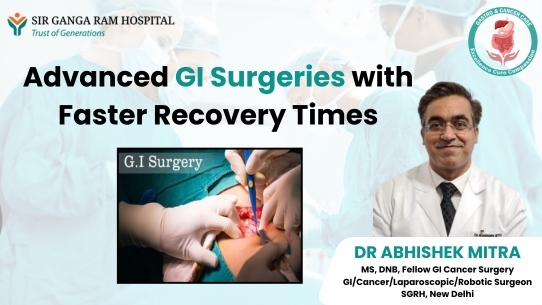
Gastrointestinal cancer treatment is not only about removing a tumour. It is also about selecting an approach that controls the disease while preserving as much normal organ function as safely possible.
Depending on the cancer type, location and stage, treatment may involve surgery, chemotherapy, radiation therapy or a combination of these approaches. In selected situations, doctors may consider organ-preserving strategies to reduce the extent of surgery or avoid removing an entire organ.
For patients exploring Gastrointestinal Cancer Treatment in Delhi, understanding organ preservation can help explain why treatment decisions are highly individualised.
1. What Does Organ Preservation Mean?
Organ preservation refers to treatment strategies that aim to control cancer while retaining the function and structure of an affected organ whenever medically appropriate.
It does not mean leaving cancer untreated or compromising the chances of controlling the disease.
The objective is to achieve effective cancer treatment while considering important aspects of everyday life, including:
-
Eating and digestion
-
Bowel function
-
Urinary and sexual function
-
Nutritional health
-
Physical independence
-
Long-term quality of life
An experienced Gastrointestinal Cancer Surgeon in Delhi considers both cancer-related outcomes and the potential effects of treatment on the patient's daily activities.
2. Organ Preservation in Rectal Cancer
Rectal cancer is one of the areas where organ-preserving strategies have received considerable attention.
Traditionally, many patients with rectal cancer require surgery to remove the affected part of the rectum. However, selected patients who receive treatment before surgery may experience a very good or complete clinical response.
In carefully selected cases, a specialist multidisciplinary team may discuss a non-operative management approach, often called watch-and-wait.
This strategy is not suitable for every patient. It requires:
-
Careful assessment after treatment
-
Appropriate MRI and endoscopic evaluation
-
Specialist confirmation of clinical response
-
Strict and regular surveillance
-
A clear plan for intervention if cancer regrows
Patients researching Rectal Cancer Treatment in Delhi should understand that organ preservation is an option for selected patients, not a replacement for surgery in every case.
3. Colon Cancer: Preserving Healthy Bowel Function
In colon cancer, surgery commonly involves removing the affected section of the colon along with its associated lymphatic drainage.
The remaining healthy bowel is often reconnected when it is medically safe to do so.
The extent of surgery depends on tumour location, blood supply, disease spread and the patient's clinical condition.
A Colon Cancer Surgeon in Delhi aims to remove the cancer adequately while preserving healthy bowel wherever possible.
For patients considering colon cancer treatment in Delhi, the surgical plan should explain how much bowel may need to be removed and whether a temporary or permanent stoma could be necessary.
4. Minimally Invasive Surgery and Functional Recovery
Laparoscopic and robotic-assisted surgery may be considered for selected gastrointestinal cancers.
These techniques use smaller incisions and specialised instruments. Depending on the procedure and patient, potential benefits may include:
-
Smaller surgical incisions
-
Reduced wound-related discomfort
-
Earlier mobilisation
-
Shorter hospital stay in suitable cases
-
Improved visualisation during complex procedures
However, minimally invasive surgery is not automatically better for every tumour. The priority remains safe and appropriate cancer removal.
Patients looking for a GI Surgeon in Delhi or Gastrointestinal Surgeon in Delhi should discuss whether open, laparoscopic or robotic-assisted surgery is most suitable for their condition.
5. Preserving Digestive Function After Stomach Cancer Surgery
Treatment for stomach cancer depends on the tumour's location and extent.
Some patients may undergo removal of a portion of the stomach, while others require total gastrectomy.
When a partial gastrectomy is oncologically appropriate, preserving the remaining stomach may help retain some natural digestive function.
After surgery, patients may need smaller and more frequent meals, nutritional monitoring and long-term dietary guidance.
People researching Stomach Cancer Treatment in Delhi should ask their specialist about the expected changes in eating habits and nutritional requirements after surgery.
6. Pancreatic Cancer: Preserving Function Where Possible
Pancreatic cancer surgery can be particularly complex because the pancreas is closely connected to major blood vessels, the bile duct and the digestive tract.
Depending on tumour location, selected patients may undergo procedures such as:
-
Pancreaticoduodenectomy, also known as the Whipple procedure
-
Distal pancreatectomy
-
Other specialised pancreatic resections
The goal is to achieve appropriate cancer clearance while preserving as much functioning pancreatic tissue as safely possible.
Removing part of the pancreas can affect insulin production and digestive enzyme secretion. Some patients may require diabetes management or pancreatic enzyme replacement after surgery.
Patients exploring Pancreatic Cancer Treatment in Delhi should discuss both cancer control and the possible long-term effects of surgery.
7. Liver and Gallbladder Cancer: Preserving Healthy Tissue
In hepatobiliary surgery, preserving functioning liver tissue is an important part of surgical planning.
For selected liver tumours, surgeons may consider limited anatomical or non-anatomical resections when appropriate.
The amount of liver that can safely remain depends on liver function, underlying liver disease, tumour location and the expected future liver remnant.
Gallbladder cancer requires a different approach. Depending on the stage and extent of disease, some patients may require more extensive surgery involving nearby liver tissue and lymph nodes.
A Liver Cancer Surgeon in Delhi or Hepatobiliary Cancer Surgeon in Delhi evaluates these factors before recommending a procedure.
Patients seeking Liver Cancer Treatment in Delhi or Gallbladder Cancer Treatment in Delhi should understand that organ preservation must never compromise adequate cancer removal.
8. How Multidisciplinary Care Supports Organ Preservation
Organ-preserving treatment decisions often require input from several specialists.
A multidisciplinary team may include:
-
Gastrointestinal cancer surgeons
-
Medical oncologists
-
Radiation oncologists
-
Radiologists
-
Pathologists
-
Gastroenterologists
-
Nutrition specialists
-
Rehabilitation professionals
The team reviews imaging, biopsy findings, treatment response and patient preferences before recommending an approach.
Patients searching for a GI Cancer Specialist in Delhi, Best Gastrointestinal Oncologist in Delhi or GI Oncosurgeon in Delhi should consider whether their treatment involves coordinated specialist assessment.
9. Choosing the Right Specialist for Personalised Cancer Treatment
The choice of specialist matters, particularly when treatment involves complex decisions about organ preservation, surgical extent and long-term function.
Patients commonly search for a top Gastrointestinal Cancer Surgeon in Delhi, Best Gastrointestinal Doctor in Delhi, GI Cancer Doctor in Delhi or GI Cancer Surgeon in Delhi when exploring treatment.
Other searches include Best GI Cancer Surgeon Near Me and GI Cancer hospital in Delhi.
Rather than relying only on promotional rankings, patients should evaluate:
-
Specialist qualifications and training
-
Experience with the particular cancer type
-
Understanding of organ-preserving techniques
-
Access to multidisciplinary oncology care
-
Availability of appropriate surgical facilities
-
Clear explanation of risks, benefits and alternatives
For comprehensive Gastrointestinal Tumor Treatment in Delhi, the treatment plan should be based on the patient's diagnosis, cancer stage and personal health requirements.
10. About Dr. Abhishek Mitra
Dr. Abhishek Mitra (MBBS, MS, MCh) has over 20 years of experience in gastrointestinal and hepatopancreatobiliary (HPB) cancer surgery. He completed specialised postdoctoral fellowship training in GI and HPB Oncology at Tata Memorial Hospital, Mumbai.
His clinical interests include complex cancers of the oesophagus, stomach, pancreas, liver, gallbladder, bile ducts, colon and rectum.
He performs open, advanced laparoscopic and robotic-assisted procedures where clinically appropriate. His approach focuses on detailed evaluation, evidence-based treatment planning and individualised surgical care.
Frequently Asked Questions
1. Can gastrointestinal cancer be treated without removing the entire affected organ?
In selected cases, partial organ removal or other organ-preserving strategies may be possible. The decision depends on the cancer type, location, stage and expected treatment outcomes.
2. Is organ preservation possible in rectal cancer?
Some patients who achieve a complete clinical response after neoadjuvant treatment may be considered for watch-and-wait management under strict specialist surveillance.
3. Is robotic surgery an organ-preserving treatment?
Robotic surgery is a surgical technique, not an organ-preservation strategy by itself. The extent of organ removal is determined by cancer-related requirements.
4. Does organ preservation mean a lower chance of cancer recurrence?
Not necessarily. The risk of recurrence depends on the cancer type, stage, biology and treatment approach. Organ-preserving strategies require careful patient selection and appropriate follow-up.
5. Who decides whether organ preservation is suitable?
A multidisciplinary team, including the relevant cancer specialists, evaluates the diagnosis, treatment response, surgical options and individual patient factors.
Conclusion
Organ preservation is an important consideration in modern gastrointestinal cancer care. For selected patients, it may help maintain digestive function and quality of life while providing appropriate cancer treatment.
However, preserving an organ should never take priority over adequate cancer control. The best approach is one that balances oncological safety, functional outcomes and the patient's individual needs.
Patients exploring Gastrointestinal Cancer Treatment in Delhi should discuss all suitable treatment options with an experienced GI and HPB cancer specialist before making a decision.

 Arabic
 French
 Spanish
 Portuguese
 Deutsch
 Turkish
 Dutch
 Italiano
 Russian
 Romaian
 Portuguese (Brazil)
 Greek
